Canine Science
The science behind how dogs think, feel, and live — evidence-based deep dives.

The Real Science Behind Military Working Dogs
Explore the canine science behind Max the film about a dog — from Belgian Malinois traits to military K9 cognition, scent detection, and PTSD behavior.
Beth Carrasco
Dogs and Turkey: The Science Behind Your Dog's Poultry Obsession
Why do dogs love turkey so much? Explore the evolutionary biology, digestive science, and safety facts behind dogs and turkey in this evidence-based guide.
Priya Sutaria
Normal Color of Dog's Gums: A Science-Based Guide to What's Healthy
Learn the normal color of dog's gums, what variations mean for health, and when gum color changes signal an emergency. Science-backed veterinary guidance.
Marcus Aldridge
Can Dogs See the Color Red? The Science of Canine Color Vision
Can dogs see the color red? Learn the science behind canine color vision, how their eyes process light, and what it means for toys, training, and daily life.
Priya Sutaria
What Makes a Dog Show Winner? The Science Behind Best in Show
What makes a dog show winner? Explore the genetics, physiology, and behavioral science behind Best in Show champions and what it means for your own dog.
Tom Renshaw
How Old Is 17 in Dog Years? The Science Behind Canine Aging
How old is 17 in dog years? Discover the science-based answer using epigenetic research, breed-size variables, and practical senior care guidance.
Aaron Whyte
The Science Behind Great Dogs to Own: What Makes Certain...
Discover the canine science that makes certain breeds great dogs to own.
Robin Maitland
Temaril for Dogs: How This Itch Medication Works & Safety Guide
Learn how Temaril for dogs works to relieve itching, its active ingredients, dosing guidelines, side effects, and when your vet might prescribe it.
Anouk Beaumont
Motion Sickness Medicine for Dogs: Canine Travel Nausea
Explore the science behind motion sickness medicine for dogs — how it works, why dogs get car sick, evolutionary roots, and safe treatment options.
Priya Sutaria
Why Your Dog Is a Superb Walker: The Science Behind How Dogs Move
Discover the science behind why your dog is such an efficient walker — from evolutionary origins to biomechanics, breed differences, and what abnormal gait signals.
Robin Maitland
Raw Meat Meals for Dogs: The Science Behind Ancestral Diets
Explore the science behind raw meat meals for dogs.
Jonas Cole
How Long Can a Dog Live With Rabies? The Science Behind the Timeline
How long can a dog live with rabies? Learn the exact timeline from exposure to death, the science of the virus, and what every owner must know.
Tom Renshaw
Science Behind the Largest Dog Breeds: Growth, Genetics...
Explore the canine science behind the largest dog breeds — how giant dogs grow, why they evolved, health risks, and what owning a giant breed really means.
Beth Carrasco
When a Dog Wags the Dog Tail: What Science Really Says
Discover what it really means when your dog wags the dog tail. Canine science reveals direction, speed, and height all carry distinct messages.
Marcus Aldridge
Eimeria in Dogs: What Science Reveals About This Rare Parasite
Is Eimeria in dogs a real concern?
Beth Carrasco
The Science Behind Using Dog Pen Indoor: Den Instinct,...
Discover the canine science behind using a dog pen indoor — from den instinct and spatial cognition to stress reduction, breed-specific needs, and behavioral health.
Priya Sutaria
Griffon Dog Science: Anatomy, Genetics & Behavior Explained
Explore the canine science behind griffon dog breeds — from brachycephalic anatomy and coat genetics to breed-specific behavior and health research.
Robin Maitland
Dog Staring Behavior: The Canine Science Behind Those Intense Gazes
Explore the science behind dog staring behavior, including oxytocin bonding research, evolutionary origins, physiological mechanisms, and when staring signals a problem.
Marcus Aldridge
Why Dogs Love Peanut Butter: A Canine Nutrition Deep Dive
Explore the canine science behind dog peanut butter obsession — from evolutionary taste receptors to safe serving sizes, xylitol risks, and practical feeding tips.
Anouk Beaumont
Why Dog Tooth Paste Works: The Science Behind Canine Dental Care
Discover the science behind dog tooth paste — how enzymatic formulas work, why human toothpaste is toxic to dogs, and what research says about canine dental health.
Anouk Beaumont
Why Dogs Hide When Sick: The Canine Science Behind Illness Behavior
Discover the evolutionary science behind why your sick dog hides, isolates, or acts differently.
Anouk Beaumont
Core Vaccines for Dogs: The Science of How They Protect Your Pet
Understand the science behind core vaccines for dogs — how they work, which diseases they prevent, immune mechanisms, and what every owner needs to know.
Anouk Beaumont
Are Tennis Balls Bad for Dogs? The Science Behind the Fetch Favorite
Are tennis balls bad for dogs? Veterinary science reveals dental risks, choking hazards, and safer alternatives backed by research and breed-specific data.
Beth Carrasco
Dog That Looks Like a Wolf: The Science Behind Wolf-Like
Discover the science behind why some dogs look like wolves. Learn about genetics, breed traits, and what owning a wolf-like dog really means.
Tom Renshaw
What Are Dogs Body Temp? The Science of Canine Thermoregulation
What are dogs body temp ranges? Learn the science behind canine thermoregulation, normal temperature ranges by breed, and when to call your vet.
Beth Carrasco
Dog Positions Decoded: How Your Dog Sleeps and Rests
Discover the science behind dog positions — from sleeping postures to resting stances — and what they reveal about your dog's health, comfort, and emotional state.
Marcus Aldridge
Can Dogs Sense Sadness? The Science Behind Emotional Detection
Can dogs sense sadness? Explore the neuroscience, evolutionary biology, and research behind how dogs detect human emotions and what it means for owners.
Marcus Aldridge
What Is a Mutt Dog? The Science of Mixed-Breed Genetics Explained
What is a mutt dog? Explore the genetics, health science, and evolutionary history behind mixed-breed dogs with evidence-based insights for owners.
Marcus Aldridge
How to Bathe a Dog: The Science of Canine Skin, Coat, and Cleanliness
Learn how to bathe a dog using veterinary science. Discover canine skin physiology, coat types, bathing frequency data, and step-by-step technique for a stress-free wash.
Dr. Hannah Wickes
How Dogs Age: The Science Behind Canine Aging and Lifespan
Explore the science of how dogs age, why smaller breeds outlive larger ones, and what epigenetic research reveals about canine aging and lifespan.
Marcus Aldridge
Agility Course for Dogs: Speed, Focus, and Drive
Explore the canine science behind dog agility courses — from fast-twitch muscle physiology and prey-drive evolution to breed variations and training mechanics.
Aaron Whyte
Can Dogs Sense Pregnancy? The Science Behind How Dogs Detect It
Can dogs sense pregnancy? Explore the science of canine olfaction, hormonal detection, and behavioral changes when your dog reacts to your pregnancy.
Tom Renshaw
Low Phosphorus Foods for Dogs: The Science of Renal Nutrition
Explore the science behind low phosphorus foods for dogs.
Jonas Cole
Nebulizer for Dogs: The Science of Canine Inhalation Therapy
How nebulizers for dogs work, the science behind canine inhalation therapy, respiratory physiology, and practical guidance for at-home use.
Robin Maitland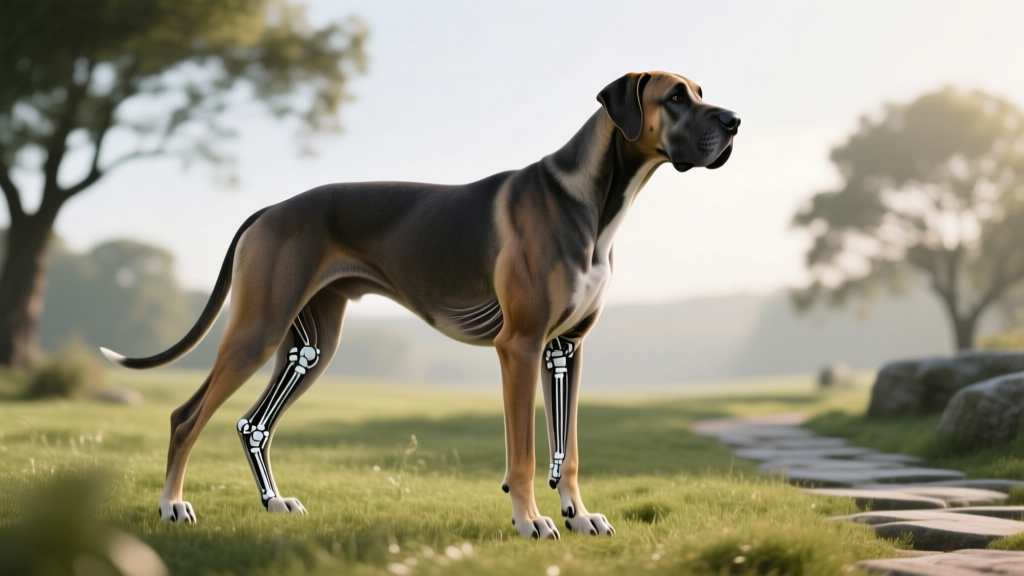
The Tall Dog: Biomechanics, Health, and Giant Breed Care
Explore the canine science behind tall dog breeds — from skeletal biomechanics and growth physiology to evidence-based care for giant breeds.
Priya Sutaria
Canine Licking Explained: The Science Behind Why Dogs Lick
Discover the science behind canine licking behavior — from evolutionary wolf origins to brain chemistry, breed differences, and when licking signals a problem.
Beth Carrasco
Weim Dog Coat Color Science: Why Weimaraners Are Silver-Gray
Explore the canine science behind the Weim dog's iconic silver-gray coat.
Robin Maitland
Dog Pacer: Why Some Dogs Pace and the Science Behind It
Is your dog a pacer? Learn the canine science behind pacing behavior, from evolutionary roots to medical red flags, and what it means for your dog's wellbeing.
Aaron Whyte
Cordoba Fighting Dog: The Extinct Breed's Genetics and Legacy
The science of the extinct Cordoba Fighting Dog, its genetic legacy in modern breeds like the Dogo Argentino
Marcus Aldridge
Merle Dog Color Genetics: The Science Behind the Pattern
Explore the genetics, health risks, and science behind merle dog color patterns. Learn what causes merle coats and what owners need to know.
Priya Sutaria
Sausage Dog Temperament
Explore the science behind sausage dog temperament — evolutionary origins, brain chemistry, genetic drivers of boldness, and practical tips for Dachshund owners.
Jonas Cole
Can You Use Triple Antibiotic Ointment on Dogs? A
Can you use triple antibiotic ointment on dogs? We break down the science of neomycin, polymyxin B, and bacitracin safety, dosing risks, and vet-approved wound care.
Robin Maitland
Dog Drinking a Lot of Water: Science Behind Excessive Thirst
Why is your dog drinking a lot of water? Learn the science of canine polydipsia, normal intake ranges, evolutionary origins, and when to call your vet.
Anouk Beaumont
Dogs Perk Their Ears Up? Canine Ear Movements
The science of why dogs perk their ears up, including evolutionary roots, ear muscle anatomy
Beth Carrasco
Dog Is Human Side Effects: Why Dogs Mirror Our Emotions and Health
Explore the science behind "dog is human side effects" — how dogs physiologically sync with owners' emotions, stress, and health states.
Anouk Beaumont
Dog Whimpering Explained: The Science Behind Why Dogs Whimper
Discover the science behind dog whimpering — from evolutionary roots to physiological triggers, breed variations, and when whimpers signal a health problem.
Aaron Whyte
Why Your Dog Is Itching Ears: The Science Behind the Scratch
Discover the canine science behind dog itching ears — from ear canal anatomy and evolutionary biology to common causes, treatments, and when to see a vet.
Tom Renshaw
Rabies Symptoms in Dogs: How the Virus Hijacks the Brain
Understand rabies symptoms in dogs through canine neuroscience.
Jonas Cole