Normal Color of Dog's Gums: A Science-Based Guide to What's Healthy
Learn the normal color of dog's gums, what variations mean for health, and when gum color changes signal an emergency. Science-backed veterinary guidance.
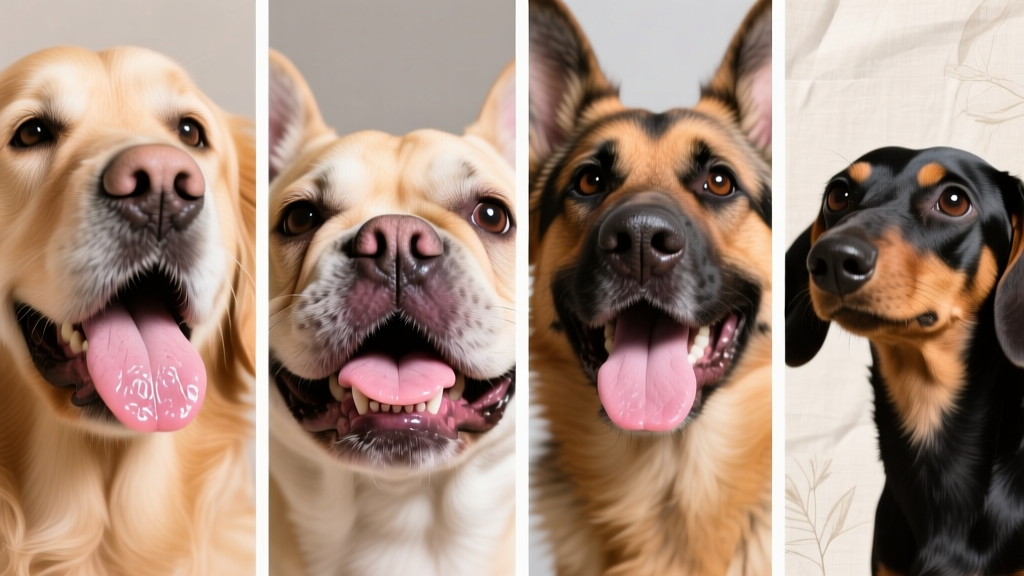
The normal color of dog's gums is bubblegum pink — a soft, warm pink similar to the shade of bubblegum or salmon. Healthy gums should also be moist and smooth to the touch. However, some breeds naturally have pigmented (dark or black) gums, which is entirely normal for those dogs. The key is knowing your individual dog's baseline gum color so you can detect changes quickly.
Why Gum Color Matters: The Physiology Behind It
Your dog's gums are a window into their cardiovascular and respiratory health. The pink color you see comes from oxygenated blood flowing through the tiny capillaries just beneath the thin, translucent mucosal tissue. When hemoglobin — the protein in red blood cells — binds with oxygen in the lungs, it turns bright red. That red, filtered through the pink gum tissue, creates the characteristic bubblegum-pink hue that veterinarians assess during every physical exam.
The Merck Veterinary Manual identifies gum color as one of the fastest, most reliable at-home indicators of circulatory status. Vets use a metric called capillary refill time (CRT) alongside color assessment: press your finger gently against the gum until it blanches white, then release. In a healthy dog, the pink color should return within 1 to 1.7 seconds. Anything longer suggests compromised blood flow or dehydration.
The Science of Mucosal Perfusion
Gum color reflects what clinicians call mucosal perfusion — the degree to which blood is reaching peripheral tissues. Three factors determine what you see:
- Hemoglobin concentration: Fewer red blood cells (anemia) means less color, producing pale or white gums.
- Hemoglobin oxygen saturation: Poorly oxygenated blood appears darker — bluish or brick-red depending on the mechanism.
- Capillary bed integrity: Shock, dehydration, or vasoconstriction can shunt blood away from the gums, making them look pale even if the blood itself is healthy.
This is why gum color alone isn't diagnostic — it must be interpreted alongside CRT, heart rate, respiratory rate, and body temperature (normal: 101–102.5°F / 38.3–39.2°C).
Evolutionary Context: Why Dogs Have Pink Gums
Wolves and wild canids share the same bubblegum-pink gum tissue as domestic dogs. The thin, highly vascularized oral mucosa evolved as a protective barrier that also facilitates minor heat exchange during panting. Unlike humans, whose oral mucosa varies widely in pigmentation based on ancestry, most wild canids have uniformly pink gums because melanin deposition in oral tissue was not selectively advantageous in their evolutionary lineage.
The dark-pigmented gums seen in some modern dog breeds — particularly Chow Chows, Shar-Peis, and black-coated breeds — are a result of selective breeding for melanin expression, not a wild-type trait. The same genetic factors that produce heavy pigment in the skin, tongue, and lips also deposit melanin in the gingival tissue.
The Complete Gum Color Reference Chart
| Gum Color | What It May Indicate | Urgency Level | Common Causes |
|---|---|---|---|
| Bubblegum pink | Healthy — normal perfusion and oxygenation | None | Normal baseline |
| Pale pink to white | Reduced blood flow or red blood cell count | Urgent — see vet within hours | Anemia, internal bleeding, shock, severe dehydration, bloat (GDV) |
| Bright cherry red | Vasodilation or toxin exposure | Emergency — go now | Carbon monoxide poisoning, heatstroke, early septic shock |
| Blue or purple (cyanotic) | Critically low blood oxygen | Emergency — go now | Heart failure, pulmonary edema, choking, pneumonia, severe asthma |
| Yellow (icteric) | Bilirubin accumulation in tissues | Urgent — see vet within 24 hours | Liver disease, hemolytic anemia (IMHA), bile duct obstruction, leptospirosis |
| Gray or muddy | Poor perfusion with stagnant blood | Emergency — go now | Late-stage shock, severe cardiovascular collapse |
| Black or dark patches | Usually normal pigmentation (breed-dependent) | None — if lifelong and stable | Genetic melanin deposition; new spots warrant vet check |
Breed Variations in Gum Pigmentation
Not all healthy dogs have pink gums. Breeds with heavy facial and oral pigmentation commonly have black, dark brown, or spotted gums. This is a normal genetic variation, not a health problem. The breeds most frequently presenting with naturally dark gums include:
- Chow Chow — typically has a fully black tongue and dark gums
- Chinese Shar-Pei — often has lavender-to-black pigmented oral mucosa
- Giant Schnauzer — heavily pigmented mouth tissue
- Black Labrador Retriever — frequently has dark-spotted gums
- Rottweiler — may show dark patches on otherwise pink gums
- Airedale Terrier — commonly has dark gum pigmentation
- Irish Wolfhound — often has partially pigmented gums
For these breeds, the AKC recommends establishing your dog's baseline color when they are young and healthy. Take a clear photo of their gums in good lighting and keep it in your phone. That way, if your dog becomes ill, you can compare current color against their known normal rather than against a generic "bubblegum pink" standard.
If your pigmented-gum dog has a spot of pink that was previously dark, or vice versa — a new dark patch on previously uniform pink gums — that change warrants a veterinary evaluation. New pigmentation changes can occasionally signal oral melanoma, particularly in older dogs (average onset: 11–12 years in predisposed breeds).
How to Check Your Dog's Gums at Home: Step-by-Step
Veterinary technicians recommend practicing gum checks when your dog is healthy and relaxed so the process becomes routine rather than stressful. Here is the clinical method adapted for home use:
- Choose a calm moment — after a nap or during a relaxed petting session, not right after exercise (gums may appear redder due to increased circulation).
- Gently lift the upper lip on one side, exposing the gum above the canine tooth. Use your thumb and forefinger, applying minimal pressure.
- Observe the color in natural daylight if possible. Artificial lighting, especially warm-toned LEDs, can make gums appear more yellow or orange than they actually are.
- Perform the CRT test: Press your index finger firmly against the gum for 2–3 seconds until the area blanches white. Release and count the seconds until full pink color returns. Normal: 1–1.7 seconds.
- Assess moisture: Healthy gums should feel slick and wet. Tacky or dry gums suggest dehydration — a dog that is 5% dehydrated will show tacky gums; at 8–10% dehydration, gums become distinctly dry and the eyes may appear sunken.
- Record your findings — note the date, color, CRT, and moisture level. Keep a log, especially for senior dogs or those with chronic conditions.
Practical Takeaways for Daily Life
- Weekly checks: Make gum inspection part of your weekly grooming routine. It takes under 30 seconds.
- Know the baseline: Photograph your dog's healthy gums and save the image. This is especially critical for pigmented breeds.
- Pair with other vitals: Gum color alone isn't enough. Learn to check resting respiratory rate (normal: 15–30 breaths/minute at rest) and resting heart rate (small dogs: 80–120 bpm; large dogs: 60–100 bpm).
- Teach family members: Everyone in the household should know what your dog's normal gums look like and where the nearest emergency vet clinic is located.
- Post-surgery monitoring: If your dog has had a procedure, check gums every 2–4 hours for the first 24 hours. Pale gums post-surgery require an immediate call to your vet.
Common Misconceptions About Dog Gum Color
| Myth | Fact |
|---|---|
| "If my dog's gums are pink, they're definitely healthy." | Pink gums are necessary but not sufficient for health. A dog can have pink gums and still have serious conditions like early kidney disease, diabetes, or heartworm infection. Gum color is one data point, not a complete health assessment. |
| "Dark gums always mean something is wrong." | For many breeds, dark or black gums are a normal genetic trait. The concern arises when gum color changes — new dark spots on previously pink gums, or fading of previously dark gums. |
| "Red gums just mean my dog was playing hard." | While exercise does increase blood flow, gums should return to baseline pink within 10–15 minutes of rest. Persistently bright red gums, especially with lethargy or panting, can signal heatstroke or carbon monoxide exposure. |
| "White gums mean my dog just needs water." | Pale or white gums can indicate life-threatening internal bleeding, immune-mediated hemolytic anemia (IMHA), or shock. While dehydration can contribute to paleness, white gums always warrant immediate veterinary evaluation. |
| "I only need to check gums when my dog seems sick." | You can't recognize abnormal if you don't know your dog's normal. Regular checks build your pattern-recognition ability so changes are caught early, when treatment is most effective and least expensive. |
When Gum Color Signals an Emergency
Go to the Nearest Emergency Vet Immediately If:
- Gums are blue, purple, or gray — this indicates critically low oxygen and can become fatal within minutes.
- Gums are bright cherry red with confusion, vomiting, or collapse — possible carbon monoxide poisoning or heatstroke.
- Gums are bone white — suggests severe anemia or internal hemorrhage, potentially from a ruptured spleen, rat poison ingestion, or GDV (bloat).
- Gums show any abnormal color combined with labored breathing, collapse, seizures, uncontrolled bleeding, or a distended abdomen.
ASPCA Animal Poison Control: (888) 426-4435 — available 24/7 if you suspect toxin ingestion (a consultation fee applies). They can advise you on immediate steps while you transport to a vet.
For non-emergency color changes — such as gradual yellowing over several days, or a single new dark spot on an otherwise healthy dog — schedule a veterinary appointment within 24–48 hours. Your vet will likely run a complete blood count (CBC), serum biochemistry panel, and possibly a urinalysis. Expect costs of $150–$350 for basic bloodwork at a general practice, or $250–$500 at an emergency clinic.
How Dog Gums Differ from Human Oral Mucosa
Humans and dogs share the same basic oral tissue structure — stratified squamous epithelium overlying a vascular connective tissue layer — but there are clinically significant differences:
- Pigmentation variability: Human oral mucosa varies enormously in pigmentation based on ethnic background, with darker-skinned individuals commonly having brown or patchy gum pigmentation as a normal finding. In dogs, the default wild-type is uniformly pink, with pigmentation being breed-specific rather than broadly population-variable.
- Keratinization: Dog gums have a thinner keratinized layer than human gums, making color changes more readily visible but also making the tissue more susceptible to trauma and ulceration.
- pH environment: Canine saliva has a higher pH (approximately 7.5–8.0) compared to human saliva (6.2–7.4). This alkaline environment affects which bacterial species colonize the oral cavity and influences how dental disease progresses — dogs are less prone to cavities but highly prone to periodontal disease, which affects an estimated 80% of dogs by age 3.
- CRT norms: Human capillary refill time is typically assessed at the fingernail bed, with a normal of under 2 seconds. Dogs are assessed at the gum line with a tighter normal range of 1–1.7 seconds, making dogs slightly more sensitive indicators of early perfusion compromise.
Frequently Asked Questions
Is it normal for my dog's gums to look darker after eating?
Temporary darkening can occur if your dog eats deeply pigmented foods (like beet-based kibble or raw diets with organ meats). Wipe the gums gently with a damp cloth and recheck after 15 minutes. If the color doesn't return to baseline, or if you see actual staining that persists for hours, consult your veterinarian to rule out pigmented oral lesions.
Why does my dog's gum color look different under LED lights versus sunlight?
Color temperature of lighting significantly affects mucosal assessment. Warm-white LEDs (2700K) add yellow tones; cool-white LEDs (5000K+) add blue tones. For the most accurate assessment, check gums near a window in natural daylight. If you must assess under artificial light at night, use a phone flashlight held 6–8 inches from the gums — most phone flashlights produce neutral-white light around 5500K, which closely approximates daylight.
My puppy's gums look lighter pink than my adult dog's. Is that okay?
Yes. Puppies under 6 months often have lighter, softer pink gums compared to adults. Their capillary beds are still developing, and their smaller body size means less total blood volume perfusing the tissue. As long as the gums are moist, the CRT is under 2 seconds, and the puppy is active and eating well, lighter pink is a normal developmental finding.
Can dental disease change my dog's gum color?
Absolutely. Periodontal disease causes localized inflammation that turns the gumline bright red or even purple near affected teeth. This is different from a systemic color change — if only the gumline around specific teeth is red while the rest of the gums are normal pink, dental disease is the likely culprit. A veterinary dental cleaning (average cost: $300–$800 including pre-anesthetic bloodwork) is the standard treatment. Left untreated, periodontal bacteria can seed infections in the heart, liver, and kidneys.
What does it mean when my dog's gums are two different colors?
Patchy pigmentation — areas of pink next to areas of dark brown or black — is normal in many mixed-breed dogs and some purebreds. However, if you notice a new patch of discoloration that wasn't there before, especially if it's raised, bleeding, or growing, this requires veterinary evaluation. Oral melanoma is the most common oral cancer in dogs and presents as a new dark, irregular mass on the gums.
This article provides educational guidance and does not replace professional veterinary advice. Always consult your veterinarian if you observe changes in your dog's gum color, texture, or moisture level.
Marcus Aldridge
All our authors care for dogs every day — read more of their work on the authors page.


