Canine Science
The science behind how dogs think, feel, and live — evidence-based deep dives.

How Many Dog Years to 1 Human Year? The Real Science of Canine Aging
How many dog years to 1 human year? Science says the old 7:1 rule is wrong. Discover the real formula, breed-specific aging rates, and practical care tips.
Dr. Hannah Wickes
Why Would a Dog's Nose Turn Pink? Nose Depigmentation
Discover why a dog's nose turns pink — from snow nose and vitiligo to aging and sun exposure. Vet-backed science, breed risks, and when to worry.
Jonas Cole
Five Years in Dog Years: The Science Behind Canine Aging
How old is five years in dog years? Discover the science of canine aging, debunk the 7:1 myth, and learn what your dog's age means for health and care.
Anouk Beaumont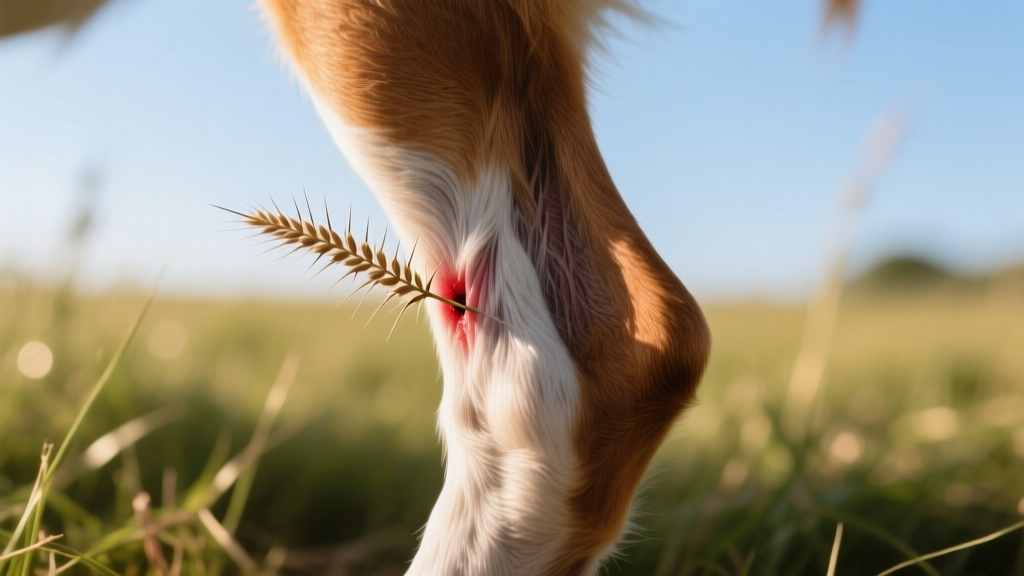
Foxtails in Dogs: How Grass Awns Migrate and Cause Harm
Learn the science behind foxtails in dogs — how grass awns migrate through tissue, why they're dangerous, breed risks.
Robin Maitland
Chongqing Dog
Explore the Chongqing Dog's evolutionary traits, hunting instincts, and unique physiology through canine science. A deep dive into this rare Chinese breed.
Jonas Cole
Heimlich Remover on Dogs: Science, Safety & Emergency Guide
Learn the science behind using a Heimlich remover on dogs.
Anouk Beaumont
Is Tea Tree Oil Safe for Dogs? The Science Behind Toxicity Risks
Is tea tree oil safe for dogs? Veterinary science says no.
Aaron Whyte
Dogs and Green Beans: The Canine Science Behind This Superfood Snack
Explore the science behind dogs and green beans — digestive physiology, evolutionary basis, nutritional mechanisms, and practical feeding guidance for owners.
Robin Maitland
Asian Dogs: The Science Behind Ancient Breed Traits and Behavior
Explore the canine science behind Asian dogs — from basal breed genetics and evolutionary history to unique behavioral traits and what they mean for modern owners.
Jonas Cole
How to Soothe a Dog with Collapsed Trachea: Science-Backed Relief
Learn how to soothe a dog with collapsed trachea using veterinary science. Covers physiology, breed risks, environmental tweaks, and when to see a vet.
Dr. Hannah Wickes
What Is an American Bully Dog? The Science Behind the Breed
What is an American Bully dog? We break down the genetics, physiology, temperament science, and breed history behind this muscular companion breed.
Jonas Cole
Laser Treatment for Canines: The Science Behind Cold Laser Therapy
How laser treatment for canines works at the cellular level, what conditions it treats, expected costs, and what veterinary science says about photobiomodulation.
Beth Carrasco
Can I Put Antibiotic Ointment on My Dog? A Veterinary Science Guide
Can I put antibiotic ointment on my dog? Learn which ointments are safe, which ingredients are toxic, proper application steps, and when to see your vet.
Robin Maitland
Dog Knots Explained: The Canine Science Behind the Copulatory Tie
What are dog knots and why do they happen? A veterinary science deep-dive into the canine copulatory tie, its evolutionary purpose, and what owners need to know.
Tom Renshaw
Mini Aussie Dog Intelligence: Their Herding Instinct
Explore the science behind the mini Aussie dog's herding instinct, intelligence, and behavior.
Priya Sutaria
How Many Years Is One Human Year in Dog Years? The Real Science
How many years is one human year in dog years? The old "multiply by 7" rule is wrong.
Anouk Beaumont
The Most Long Lived Dogs: Why Size, Genes, and Care Matter
Discover the science behind the most long lived dogs.
Robin Maitland
Dog Periods What to Do
Dog periods what to do: understand the canine estrus cycle, bleeding, behavior changes, and practical care steps backed by veterinary science.
Jonas Cole
Swissy Dog Science: Why Greater Swiss Mountain Dogs Lean on You
Discover the canine science behind why your Swissy dog leans against you.
Marcus Aldridge
Eat Watermelon? Dogs and Watermelon Safety
Can dogs eat watermelon safely? Explore the canine science behind dogs and watermelon digestion, nutritional benefits, risks, and evidence-based serving guidelines.
Anouk Beaumont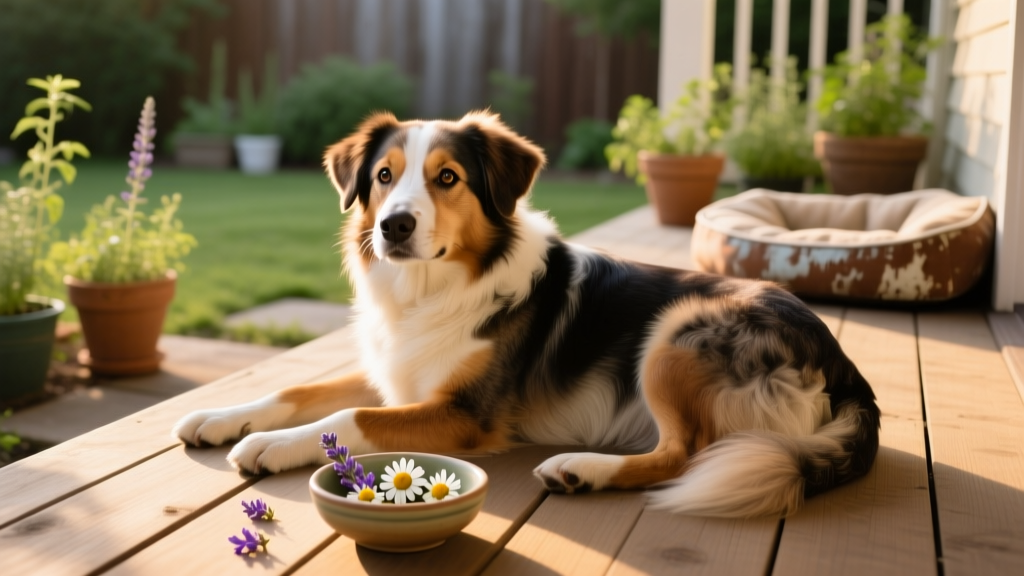
Flower Remedies for Dogs: What the Science Actually Shows
Do flower remedies for dogs work? We examine the veterinary science, Bach flower evidence, safety data, and what canine behaviorists recommend in 2026.
Robin Maitland
How Long Is a Dog Pregnant for in Months?
How long is a dog pregnant for in months? Learn the science behind the 63-day canine gestation period, week-by-week fetal development, and owner care tips.
Beth Carrasco
Dog Stomach Gurgling: The Science Behind Borborygmi in Dogs
Why does your dog's stomach gurgle? Learn the science of canine borborygmi, when it's normal, when to worry, and what the research reveals.
Marcus Aldridge
Dog Scabs: Why They Form, What Causes Them, and When to Worry
Dog scabs explained through canine science: wound healing physiology, common causes, breed predispositions, and when scabs signal a serious health problem.
Beth Carrasco
How Do You Clean a Dog's Ears at Home? A Science-Based Guide
Learn how do you clean a dog's ears at home using veterinary science. Step-by-step technique, ear anatomy explained, breed risks, and when to see a vet.
Aaron Whyte
Why Isn't My Dog Eating? The Science Behind Canine Appetite Loss
Discover why your dog isn't eating with science-backed explanations of appetite regulation, evolutionary feeding behavior, and when anorexia signals a medical emergency.
Marcus Aldridge
Dog Peeing Science: Why Canines Urinate Where, When, and How They Do
Explore the science behind dog peeing — from evolutionary scent-marking to bladder physiology, leg-lifting, and what urination patterns reveal about health.
Dr. Hannah Wickes
Frenchton Dog Genetics: The Science Behind This Designer Crossbreed
Explore the canine science behind the Frenchton dog — genetics, brachycephalic physiology, hybrid vigor myths, and what research reveals about this designer breed.
Jonas Cole
Canine Folliculitis Explained: Dog Skin Inflammation
Understand canine folliculitis from a scientific perspective — causes, mechanisms, breed risks, evidence-based treatments, and practical care strategies for dog owners.
Tom Renshaw
The Science Behind Choosing the Right Water Bottle for Dogs
Explore the canine science of hydration and learn how to choose the best water bottle for dogs based on drinking mechanics, breed needs, and veterinary research.
Dr. Hannah Wickes
Why Do Dogs Bark in Their Sleep? The Science of Canine Dreaming
Discover why do dogs bark in their sleep — the neuroscience, evolutionary roots, REM cycles, and when sleep vocalization signals a health problem.
Dr. Hannah Wickes
Your Dog's Daily Routine: Understanding Doggie Life Cycles
Explore the canine science behind doggie life cycles, from sleep patterns and aging to daily rhythms. Learn what drives your dog's behavior and biology.
Tom Renshaw
Dog's Eyesight in the Dark: The Science Behind Night Vision
How does a dog's eyesight in the dark actually work?
Tom Renshaw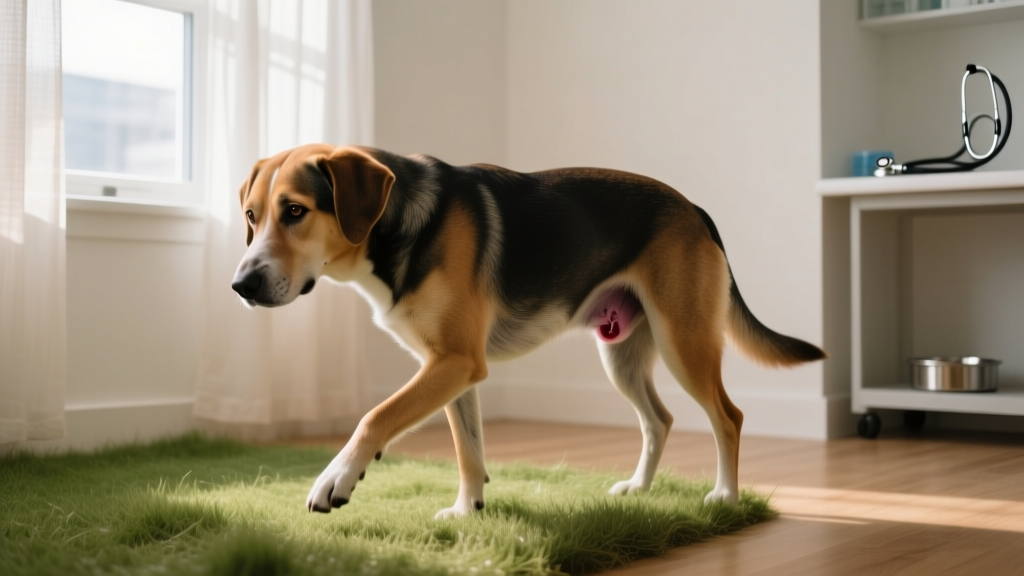
Blood in Urine of Dog: Causes, Science & When to See a Vet
Blood in urine of dog (hematuria) explained: causes, physiological mechanisms, diagnostic steps, treatment costs, and when it signals an emergency.
Aaron Whyte
Why Dog Bark Deterrents Fail: The Science of Canine Vocalization
Discover why most dog bark deterrents fail by understanding the science behind canine barking.
Anouk Beaumont
Embark Dog DNA Kit Review: The Science Behind Canine Genetic Testing
How does the Embark dog DNA kit work? We break down the canine science, breed ID accuracy, health screening markers, and what results really mean for your dog.
Dr. Hannah Wickes
How Long Is Dog Gestation? A Science-Based Pregnancy Timeline
How long is dog gestation? The average is 63 days, but the real window spans 58–68 days. Learn the science, stages, and what owners need to know.
Anouk Beaumont
Why Is My Dog Breathing Fast? The Science Behind Canine Respiration
Why is my dog breathing fast? Learn the science behind canine respiration rates, evolutionary origins, and when rapid breathing signals a veterinary emergency.
Dr. Hannah Wickes
Anatomy, Transit Time & Health Science
Explore the dog digestive system from teeth to tail.
Priya Sutaria
Normal Temp for Dogs: The Science Behind Canine Body Temperature
What is the normal temp for dogs? Learn the science behind canine thermoregulation, breed variations, fever thresholds, and when to call your vet.
Anouk Beaumont
Dogs with Long Snouts: The Science of Dolichocephalic Breeds
Explore the science behind dogs with long snouts — from olfactory anatomy and evolutionary origins to health implications and breed care tips.
Priya Sutaria
Why Your Dog Paces the House
Discover the canine science behind why your dog paces the house — from evolutionary pacing instincts to medical red flags and practical solutions.
Aaron Whyte
Can Dogs Eat Figs? The Science Behind Figs and Canine
Can dogs eat figs safely? Explore the canine science behind fig digestion, ficin toxicity risks, safe serving sizes, and what research reveals about dogs and figs.
Tom Renshaw
Big Nosed Dogs: Dolichocephalic Snouts and Canine Scent
Explore the science behind big nosed dogs — how dolichocephalic snouts enhance scent detection, evolutionary origins, breed variations, and practical care tips.
Dr. Hannah Wickes
A Herding Ball for Dogs: Instinct, Drive, and Enrichment
Discover the canine science behind a herding ball for dogs—why herding instinct exists, how it works neurologically, and how to use a herding ball safely.
Priya Sutaria
Low Energy Dogs: The Science Behind Calm Breeds
Discover the science behind low energy dogs — from genetics and metabolism to evolutionary origins and practical care tips for calm breeds.
Marcus Aldridge
Normal Respiratory Rate for Dogs: The Science Behind Every Breath
Learn the normal respiratory rate for dogs, the evolutionary science behind canine breathing, breed variations, and when rapid breathing signals a veterinary emergency.
Priya Sutaria
How Much Is ACL Surgery for a Dog?
How much is ACL surgery for a dog? Detailed 2026 cost ranges by procedure type, plus the science of canine cruciate ligament injuries and recovery.
Aaron Whyte