Canine Science
The science behind how dogs think, feel, and live — evidence-based deep dives.

Dog Apple Cider Vinegar: Canine Science, Benefits, and Safety Guide
Explore the science behind dog apple cider vinegar use. Learn physiological effects, safe dosages, myths vs. facts, and when to consult your vet.
Robin Maitland
Dog Foot Print Science: How Paw Anatomy Shapes Every Track
Explore the science behind every dog foot print — from paw pad anatomy and gait mechanics to what tracks reveal about health and breed.
Dr. Hannah Wickes
White Swiss Shepherd Dog: Genetics, Health & Science Explained
Explore the canine science behind the Swiss White Shepherd Dog — coat genetics, health risks, temperament research, and evidence-based care guidance.
Beth Carrasco
What to Do When Your Dog Throws Up: A Science-Based Guide
What to do when your dog throws up —
Tom Renshaw
Science, Aging & What Owners Know
Explore the science behind why dogs lose olfactory ability with age, illness, or environmental factors — plus practical steps to support your dog's nose health.
Anouk Beaumont
Do Dogs Dream? The Science of Canine Sleep and REM Cycles
Do dogs dream? Explore the science of canine sleep cycles, REM stages, brain activity during sleep, and what your dog's twitching really means.
Aaron Whyte
Dog Glands Explained: Types, Functions, and What Owners Need to Know
A science-based guide to dog glands — anal, sebaceous, apocrine, thyroid, and more. Learn evolutionary origins, health signs, and practical care tips.
Jonas Cole
Senile Dog Treatment: The Science of Canine Cognitive Dysfunction
Evidence-based senile dog treatment guide covering Canine Cognitive Dysfunction science, symptoms, medications, supplements, and daily management
Aaron Whyte
The Science of the Dog Show: Why NYC's Westminster...
Explore the canine science behind the dog show NYC experience — from breed conformation biology to sensory processing at Westminster and how dogs perceive competition.
Priya Sutaria
Mini Pin Dog Trembling Explained: The Science Behind Why...
Why does your mini pin dog shake and tremble? Explore the veterinary science, evolutionary roots, and practical solutions for Miniature Pinscher trembling.
Priya Sutaria
How to Calculate Your Dog's Age in Years
Learn how to accurately calculate your dog's age in human years using the latest epigenetic research, breed-specific aging data, and practical life-stage guidance.
Tom Renshaw
What's the Biggest Dog? The Science Behind Giant Breed Biology
What's the biggest dog breed? Explore the science of giant dog size, from genetics and evolutionary history to health implications and care requirements.
Marcus Aldridge
Over the Counter Dog Sedative: What the Science Says About Safety
Explore the science behind every over the counter dog sedative option, including how they work, safety data, breed risks, and when to consult your vet.
Anouk Beaumont
Bushon Dog: The Science Behind This Designer Breed's Traits
Explore the canine science behind the Bushon dog — a Bichon Frise and Shih Tzu mix. Genetics, temperament, health risks, and what research reveals.
Jonas Cole
Dogs and Tennis Balls: The Science Behind the Obsession
Why are dogs and tennis balls so inseparable? Explore the canine science, evolutionary roots, and safety facts behind this classic fetch obsession.
Anouk Beaumont
Dog Ulcer Explained
What causes a dog ulcer? Learn the veterinary science behind canine gastrointestinal ulcers, symptoms, treatment costs.
Marcus Aldridge
The Genetics Behind Their Unique Eyes and Drive
Explore the science behind the Catahoula dog — from merle coat genetics and heterochromia to prey drive physiology and what makes this breed uniquely wired.
Marcus Aldridge
Golden Chi Dog: The Science Behind This Designer Mix
Explore the canine science behind the Golden Chi dog—a Golden Retriever and Chihuahua mix. Genetics, temperament, health, and what owners need to know.
Marcus Aldridge
Hunting Breeds Dogs: Their Prey Drive and Instincts
Explore the canine science behind hunting breeds dogs — prey drive mechanisms, evolutionary origins, breed variations, and practical owner guidance.
Tom Renshaw
What to Give a Dog for Upset Stomach: A Science-Based Guide
Discover what to give a dog for upset stomach based on veterinary science. Learn the physiology, safe remedies, dosages, and when to call your vet.
Dr. Hannah Wickes
Why Dogs Love Stuffed Animals: The Science
Discover the canine science behind why dogs bond with plush toys like the Douglas dog stuffed animal — from prey drive to oxytocin release and breed differences.
Dr. Hannah Wickes
Green Paw Patrol Dog
Why does your dog have green paws? Explore the science behind green paw staining, porphyrin pigments, yeast overgrowth, and when to see a vet.
Jonas Cole
What Do Whiskers Do for Dogs? The Science Behind Canine Vibrissae
Discover what do whiskers do for dogs — from spatial awareness to night navigation.
Aaron Whyte
Coy Dog Behavior: What Science Reveals About Shy, Cautious Canines
What makes a coy dog? Explore the science behind cautious canine behavior, evolutionary roots, brain mechanisms, and practical strategies for building confidence.
Aaron Whyte
Dog Tooth Anatomy, Development & Dental Science Explained
Explore the science behind every dog tooth — from puppy deciduous teeth to adult dentition, evolutionary origins, and what dental health means for your dog's body.
Jonas Cole
Doggie Drool Science: Why Dogs Drool and What It Means
Explore the science behind doggie drool — from evolutionary origins and salivary gland physiology to breed variations and when excess drool signals a vet visit.
Dr. Hannah Wickes
How Much Is It to Euthanize a Dog? 2026 Cost Guide & What to Expect
How much is it to euthanize a dog? Detailed 2026 cost breakdown, in-home vs. clinic options, aftercare pricing, and the science behind the process.
Beth Carrasco
Pain Treatment for Dogs: The Science of How Canines Process Pain
Explore the science behind pain treatment for dogs — how canines process pain, evolutionary masking behaviors, and what modern veterinary research reveals.
Tom Renshaw
Why Does a Dog Lick? The Canine Science Behind This Behavior
Why does a dog lick people, objects, and themselves? Explore the evolutionary, neurological, and behavioral science behind canine licking behavior.
Dr. Hannah Wickes
A Science-Backed Guide
Learn the science behind why a digital rectal thermometer for dogs is the gold standard, plus step-by-step technique, normal ranges, and when to call the vet.
Beth Carrasco
Is Bone Broth Good for Dogs? The Science Behind the Benefits
Is bone broth good for dogs? We break down the veterinary science, nutritional breakdown, evolutionary basis, and practical feeding guidelines for 2026.
Dr. Hannah Wickes
How to Help a Dog with an Upset Stomach: A Canine Science Guide
Learn how to help a dog with an upset stomach using evidence-based methods.
Dr. Hannah Wickes
Your Dog's Lick Mat: Why Licking Calms Canines
Explore the canine science behind dog lick mat use: why licking soothes dogs, the brain chemistry involved, evolutionary roots, and practical enrichment tips.
Jonas Cole
Training a Vicious Dog
Training a vicious dog requires understanding canine aggression science.
Tom Renshaw
Chart of Dog Years: The Science Behind Canine Aging
Explore the science behind the chart of dog years, including epigenetic research, breed-size aging differences, and what your dog's age really means.
Dr. Hannah Wickes
Veggies for Dogs: What Canine Digestion Reveals
Explore the canine science behind veggies for dogs — how digestion evolved, which vegetables are safe, and what research says about plant-based nutrients.
Robin Maitland
Furunculosis in Dogs: The Science Behind Deep Skin Infections
Furunculosis in dogs explained through canine science — causes, immune mechanisms, breed risks, and evidence-based treatment options for deep bacterial skin infections.
Marcus Aldridge
Long Term Dog Boarding: The Science of Separation Stress
How dogs process extended separation, what research reveals about boarding stress, and evidence-based strategies to protect your dog's wellbeing.
Aaron Whyte
Why Dogs Make Risky Gifts: The Science of Canine Bonding & Attachment
The science behind why giving dogs as gifts often fails.
Jonas Cole
Dog Ancestry Test: The Science Behind Your Dog's DNA Results
How dog ancestry tests work, the science of canine genetic markers, breed identification accuracy, and what DNA results really mean for your dog's health.
Marcus Aldridge
Dog Sleeping on Back: Canine Science Behind the Behavior
Why does your dog sleep on their back? Explore the canine science, evolutionary roots, and physiological reasons behind this vulnerable sleeping position.
Priya Sutaria
Glucosamine and Chondroitin for Dogs
How glucosamine and chondroitin for dogs actually work at the cellular level, what research shows about efficacy, dosing guidelines, and when they help most.
Marcus Aldridge
Dog Wiping After Pooping: The Science Behind the Behavior
Why do dogs wipe their paws after pooping? Explore the evolutionary science, physiological mechanisms, and practical meaning behind dog wiping behavior.
Anouk Beaumont
Why Is My Dog Licking Paws? The Science Behind the Behavior
Why is your dog licking paws constantly? Explore the canine science, evolutionary roots, medical triggers, and practical solutions for paw licking behavior.
Beth Carrasco
Dog Jewelry for Women: the Human-Canine Bond We Wear
Explore the science behind why dog jewelry for women resonates so deeply — from oxytocin bonding to evolutionary psychology and breed-specific design trends.
Anouk Beaumont
Anatolian Dog Guardian Instinct
Explore the canine science behind the Anatolian dog's livestock guardian instinct — from evolutionary roots to neurobiology and practical owner guidance.
Robin Maitland
Dog Years 15: What Your Senior Dog's Age Really Means in Science
How old is a 15-year-old dog really? We break down the science of dog years 15, aging physiology, breed differences, and senior care tips.
Robin Maitland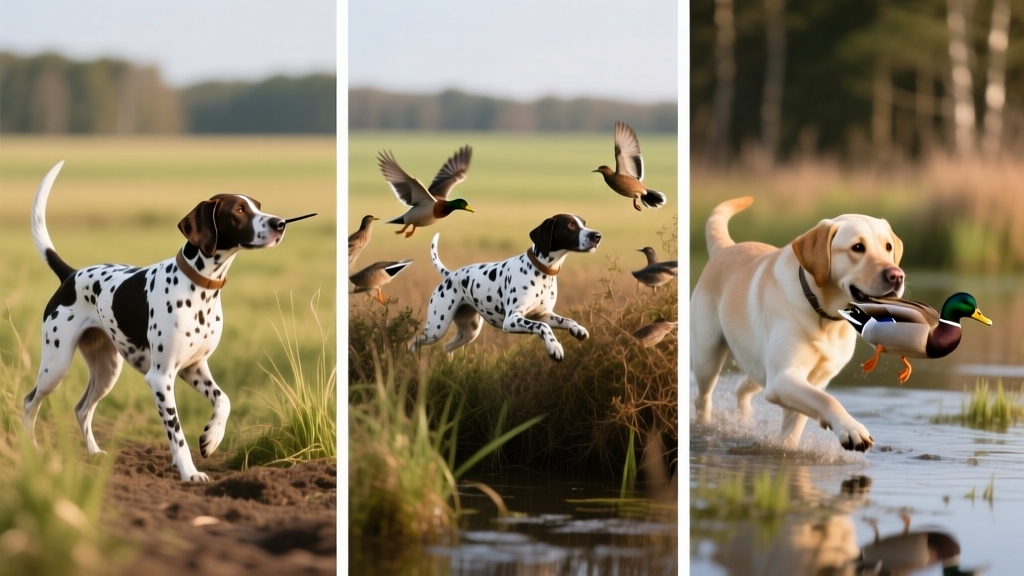
Bird Hunting Dogs: The Science Behind Pointing,...
Explore the evolutionary biology, neurophysiology, and selective breeding science behind bird hunting dogs — pointing, flushing, and retrieving behaviors explained.
Marcus Aldridge