Canine Science
The science behind how dogs think, feel, and live — evidence-based deep dives.

Are Cats Cleaner Than Dogs? The Science Behind Canine Grooming
Are cats cleaner than dogs? We break down the veterinary science, evolutionary biology, and physiology behind canine grooming habits vs.
Dr. Hannah Wickes
How to Fatten Up a Dog Safely
Learn how to fatten up a dog using evidence-based nutrition science.
Robin Maitland
Mastador Dog: The Science Behind This Mastiff-Lab Mix
canine science behind the Mastador dog — genetics, temperament, physiology, and what owners need to know about this Mastiff-Labrador crossbreed.
Robin Maitland
Dogs on Road Trips
Why do dogs on road trips get sick, anxious, or hyper?
Marcus Aldridge
Stud Tail in Dogs: Causes, Symptoms, and Science-Backed Treatment
Learn the science behind stud tail in dogs — what causes supracaudal gland hyperplasia, how to recognize symptoms, and proven treatment options for your dog.
Marcus Aldridge
Dog Puzzle Games: The Science Behind Canine Problem-Solving
Explore the science of dog puzzle games — how canine brains process challenges, evolutionary roots of problem-solving, and evidence-based enrichment strategies.
Tom Renshaw
The Golden Retriever's Gold Coat: Gold Dog Color Genetics
The science of gold dog coat color in Golden Retrievers—melanin genetics, evolutionary origins, breed variations
Beth Carrasco
Why Do Dogs Drag Their Butt? The Science Behind Scooting
Why do dogs drag their butt across the floor? Learn the science behind scooting, from anal gland anatomy to parasites, and when to see your vet.
Aaron Whyte
Recovery Suit for Dogs: The Science Behind Post-Surgery Healing
Explore the science behind recovery suits for dogs—how they work, why they outperform cones, and the physiology of wound protection and stress reduction.
Aaron Whyte
Do Dogs See in the Dark? The Science Behind Canine Night Vision
Do dogs see in the dark? Explore the science of canine night vision, including tapetum lucidum, rod density, and practical tips for owners.
Robin Maitland
Why Is My Dog Eating Dirt? The Science Behind Geophagia in Dogs
Why is my dog eating dirt? Explore the science of canine geophagia — from evolutionary roots and nutritional gaps to medical red flags and practical fixes.
Anouk Beaumont
Why Is My Dog Nauseous? The Science Behind Canine Nausea
Why does your dog seem nauseous? Explore the evolutionary, physiological, and behavioral science behind canine nausea — plus practical steps for owners.
Beth Carrasco
Vetprofen for Dogs: The Science of How NSAIDs Relieve Pain
Understand how Vetprofen for dogs works at the molecular level, its physiological mechanisms, safety data, and practical guidance for pain management.
Tom Renshaw
Dog Coughing and Gagging: The Science Behind Why It Happens
Explore the canine science behind dog coughing and gagging, including physiological mechanisms, evolutionary origins, breed risks, and when to see a vet.
Anouk Beaumont
Why It Works (and When It Doesn't)
The science of using baking soda for dog smells — how sodium bicarbonate neutralizes odors, safe application methods, and when dog odor signals a health
Tom Renshaw
Maropitant Citrate for Dogs: How This Anti-Nausea Drug Works
Learn how maropitant citrate for dogs blocks vomiting at the brain level. Science, dosing, side effects, and practical guidance for pet owners.
Tom Renshaw
Why Is My Dog's Stomach Making Loud Noises? The Science
Why is your dog's stomach making loud noises? Learn the science behind borborygmi, what's normal, when to worry, and how to reduce gurgling sounds.
Robin Maitland
A Dog's Body Temperature? Canine Thermoregulation
What is a dog's body temperature? Learn the normal range, how dogs regulate heat, breed variations, fever signs, and when to call your vet.
Aaron Whyte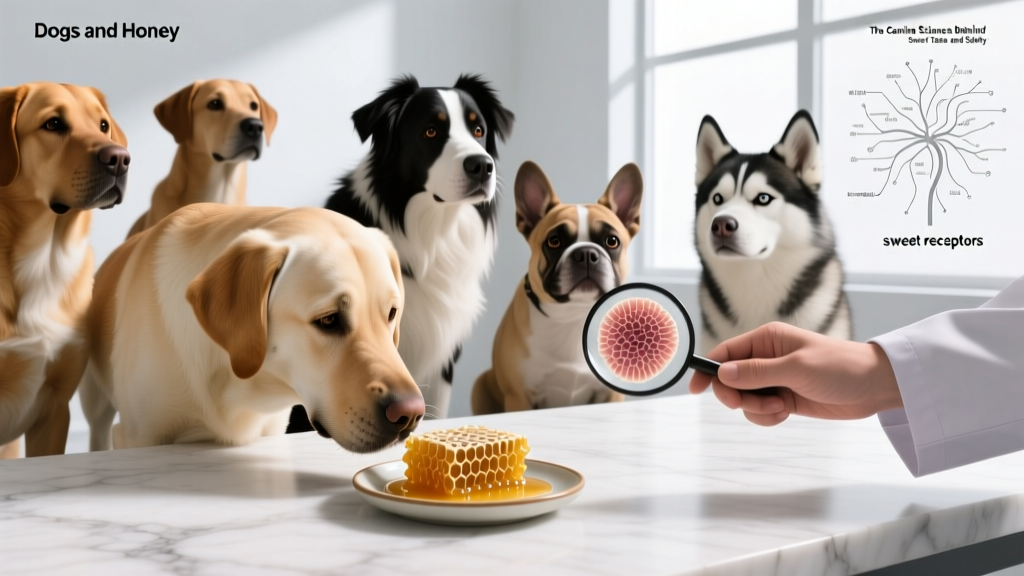
Dogs and Honey: The Canine Science Behind Sweet Taste and Safety
Explore the science of dogs and honey — from sweet taste receptor biology to safe serving sizes, evolutionary context, and when honey signals a health problem.
Dr. Hannah Wickes
How Canine Limbs Are Built for Speed and Agility
Explore dog leg anatomy in depth — bones, joints, muscles, and evolutionary design. Learn how canine limbs work and what it means for your dog's health.
Dr. Hannah Wickes
How to Make Bone Broth for Dogs: A Science-Backed Recipe Guide
Learn how to make bone broth for dogs with vet-reviewed recipes, collagen science, safe ingredients, and evidence-based benefits for joint and gut health.
Marcus Aldridge
Will Cinnamon Hurt Dogs? Cinnamon Safety for Canines
Will cinnamon hurt dogs? Explore the veterinary science, toxicity thresholds, and practical feeding guidelines to keep your dog safe around this common spice.
Tom Renshaw
Why Is My Dog Panting While Resting? The Science Behind It
Why is my dog panting while resting? Learn the science, evolutionary basis, physiological mechanisms, and when resting panting signals a vet visit.
Aaron Whyte
Canine Limp Tail Syndrome: Causes, Recovery, and Prevention Guide
What causes canine limp tail (limber tail syndrome)? Learn the science, symptoms, recovery timeline, breed risks, and vet-approved prevention strategies.
Beth Carrasco
Dogs That Don't Shed Large
Explore the canine science behind dogs that don't shed large amounts of fur.
Robin Maitland
Dog GI Upset: The Science Behind Your Dog's Sensitive
Why dogs get GI upset: the evolutionary, physiological, and breed-specific science behind canine digestive issues — plus practical prevention strategies.
Marcus Aldridge
The Canine Science of Safety, Digestion, and Allergies
Explore the science behind dogs and peanuts — from digestive physiology and allergy mechanisms to aflatoxin risks and safe serving sizes by weight.
Tom Renshaw
Dogs That Are Strong: The Science Behind Canine Power
Discover the science behind dogs that are strong — muscle physiology, bite force data, evolutionary origins, and what raw power means for daily care.
Marcus Aldridge
The Genetics Behind the Long Hair Dapple Weiner Dog Coat
Explore the canine science behind the long hair dapple weiner dog, including merle genetics, coat development, health risks, and what owners need to know.
Aaron Whyte
Why Hotels Accept Dogs: The Science Behind Canine Travel Behavior
Explore the canine science behind why hotels accept dogs.
Anouk Beaumont
Dog Headphones: The Science Behind Canine Hearing Protection
Explore the science of dog headphones: how canine hearing works, why noise protection matters, and what research says about hearing safety for dogs.
Beth Carrasco
Dogs and Diseases: The Science of Canine Disease Detection
Explore the science behind dogs and diseases — how canine olfaction detects cancer, infections, and metabolic crises, plus what it means for your dog at home.
Marcus Aldridge
Dog Being Sick with Bile: The Science Behind Yellow Vomit
Why is your dog being sick with bile? Explore the canine science behind yellow vomit, bilious vomiting syndrome, and when to seek veterinary help.
Anouk Beaumont
The Genetics, Health Risks, and Science Explained
The science behind the weiner dog dapple coat pattern: merle genetics, double dapple health risks, eye and ear concerns, and what owners must know.
Robin Maitland
Bora Dogs Explained: The Canine Science Behind the Balkan Herder
What are Bora dogs? Explore the canine science, evolutionary traits, herding instincts, and physiology of this rare Balkan breed in our detailed guide.
Beth Carrasco
How Long Do Weiner Dogs Live? Science Behind Dachshund Lifespan
How long do weiner dogs live? Explore the science behind Dachshund longevity, genetic factors, IVDD risks, and evidence-based tips to extend their lifespan.
Robin Maitland
Blood in Dogs' Stool: The Canine Science Behind Causes,
Discover the science behind blood in dogs' stool — hematochezia vs melena, physiological mechanisms, evolutionary context, and when to call your vet.
Dr. Hannah Wickes
Strangles in Dogs: Causes, Symptoms, and Treatment Explained
Strangles in dogs, also known as canine juvenile cellulitis, is a painful skin condition affecting puppies.
Beth Carrasco
Doggo Treadmills: Canine Locomotion and Indoor Exercise
Explore the science behind doggo treadmills — how canine biomechanics, evolution, and physiology inform safe indoor exercise for your dog.
Marcus Aldridge
Dog Reactivity Explained: The Neuroscience Behind Why Dogs Overreact
Dog reactivity explained through neuroscience and evolutionary biology.
Priya Sutaria
The Science Behind Soothing Music for Dogs
Does soothing music for dogs really work? We break down the veterinary research, physiological mechanisms, and practical tips for using sound to calm your dog.
Robin Maitland
What Poems About Dogs Reveal About the Human-Canine Bond
Explore what poems about dogs reveal about canine cognition, emotional bonding, and the science behind the human-dog connection.
Priya Sutaria
Inside the Canine Ear Canal
Explore canine ear canal anatomy, how dogs hear, evolutionary origins, breed variations, and science-backed cleaning and care tips every owner should know.
Dr. Hannah Wickes
Visual Guide, Species ID, and Removal Science
Learn how to identify ticks on dogs using visual cues, species-specific traits, and science-backed removal techniques to protect your pet from tick-borne diseases.
Robin Maitland
Mi-Ki Dogs: The Science Behind This Rare Breed's Unique Traits
Explore the canine science behind Mi-Ki dogs — their unique physiology, temperament genetics, brachycephalic traits, and what research reveals about this rare breed.
Aaron Whyte
Dog Wheelchair Science: How Canine Mobility Aids Restore...
Explore the science behind dog wheelchairs—how they work, which conditions they treat, costs, sizing, and what research says about canine mobility aids.
Tom Renshaw
Interceptor Plus for Dogs
How Interceptor Plus for dogs works at a physiological level — active ingredients, parasite targets, safety data
Beth Carrasco
Eye Scratch Dog Behavior: Why Dogs Rub Their Eyes and What It Means
Why does your dog scratch their eye? Explore the science behind eye scratching in dogs, from evolutionary roots to medical warning signs and practical care tips.
Priya Sutaria