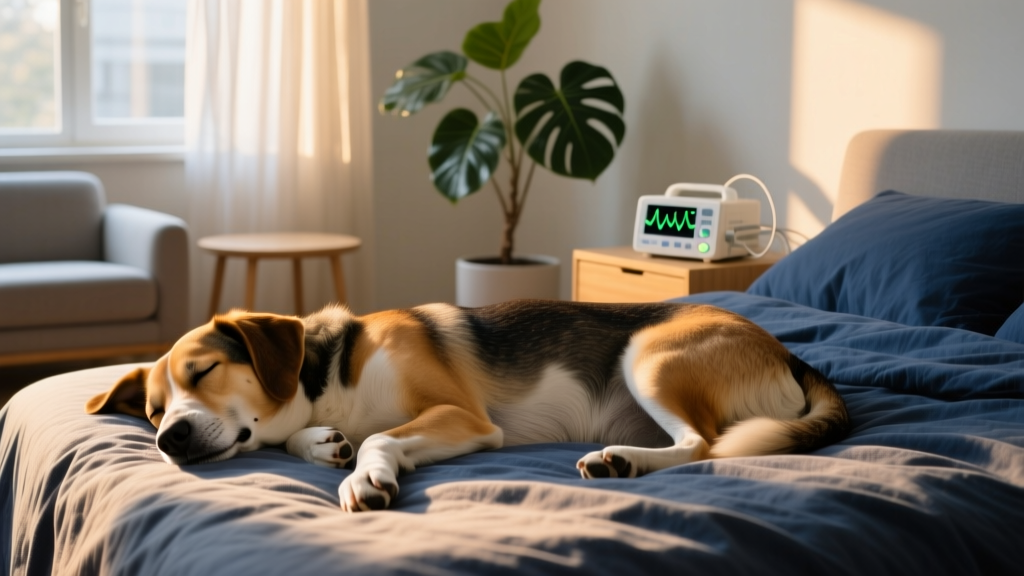
Recovery Suit for Dogs: The Science Behind Post-Surgery Healing
Explore the science behind recovery suits for dogs—how they work, why they outperform cones, and the physiology of wound protection and stress reduction.

Quick Answer: What Is a Recovery Suit for Dogs?
A recovery suit for dogs (also called a post-surgical bodysuit or medical pet shirt) is a snug-fitting, breathable garment designed to cover and protect surgical incisions, hot spots, or skin wounds. Unlike the traditional Elizabethan collar (e-collar or "cone of shame"), a recovery suit works by physically blocking licking and scratching while allowing full range of motion, peripheral vision, and normal eating and drinking. Veterinary research published in the Journal of the American Veterinary Medical Association has shown that soft protective garments reduce post-operative wound complications compared to e-collars alone, primarily because dogs are less likely to develop secondary stress behaviors that interfere with healing.
Why Dogs Lick Wounds — and Why You Need to Stop It
The instinct to lick an injury is one of the oldest self-care behaviors in the canine lineage. Understanding why it happens—and why it becomes destructive in a domestic setting—requires looking at both evolutionary biology and modern wound physiology.
The Physiology of Wound Licking
Canine saliva contains several bioactive compounds with mild antimicrobial properties, including lysozyme, lactoferrin, and secretory IgA antibodies. A study published in the Archives of Oral Biology identified histatin proteins in mammalian saliva that promote epithelial cell migration—a key step in wound closure. This gives a biochemical basis to the folk observation that "a dog's lick heals."
However, the same mechanical action of licking that delivers these compounds also causes significant tissue damage. A dog's tongue is covered in filiform papillae—tiny, backward-facing keratinized projections designed to rasp meat from bone. When a dog repeatedly licks a surgical incision, these papillae:
- Abrasively remove newly formed granulation tissue (the fragile scaffold of new blood vessels and collagen)
- Introduce oral bacteria including Pasteurella multocida, Capnocytophaga canimorsus, and Staphylococcus species into the wound bed
- Create a perpetually moist environment that macerates wound edges and delays epithelialization
- Generate friction forces sufficient to rupture sutures, particularly in the first 72 hours post-surgery
The result: what began as a mild protective behavior becomes the primary cause of post-operative wound dehiscence (reopening) and surgical site infection (SSI) in companion dogs.
Evolutionary Context: Ancestral Wound Care
In wild canids—wolves (Canis lupus), coyotes (Canis latrans), and African wild dogs (Lycaon pictus)—wound licking serves a functional purpose. Without access to veterinary care, a wolf with a laceration relies on licking to:
- Remove debris and necrotic tissue (debridement)
- Apply antimicrobial saliva compounds to reduce infection risk
- Stimulate blood flow to the wound margins through mechanical pressure
This behavior was adaptive in an environment where minor wounds were common and the alternative—no wound care at all—carried high mortality risk. But domestic dogs face a different scenario: clean surgical incisions closed with precise suture patterns, where the wound is already optimized for healing. In this context, licking becomes counterproductive. The evolutionary program hasn't caught up to modern veterinary medicine, which is exactly why a recovery suit for dogs exists—to bridge that gap between instinct and surgical precision.
How a Recovery Suit for Dogs Works: The Biomechanics
Recovery suits operate on three simultaneous physiological and behavioral mechanisms:
1. Physical Barrier Function
The suit creates a continuous fabric layer between the dog's mouth/paws and the wound site. Medical-grade recovery suits use four-way stretch cotton-spandex blends (typically 95% cotton, 5% elastane) that conform to the body without restricting circulation. The fabric density—usually 180-220 GSM (grams per square meter)—is sufficient to block tongue papillae penetration while remaining breathable enough to prevent moisture buildup against the skin.
2. Proprioceptive Calming Effect
This is where canine science gets particularly interesting. The gentle, constant pressure exerted by a recovery suit activates mechanoreceptors in the dog's skin and superficial fascia—specifically Merkel discs and Ruffini endings, which are slow-adapting pressure receptors. These receptors send signals through the dorsal column-medial lemniscus pathway to the somatosensory cortex, producing a sustained calming response.
This is the same neurophysiological principle behind Temple Grandin's hug machine and commercial anxiety wraps like the ThunderShirt. Research published in Applied Animal Behaviour Science demonstrated that sustained mild pressure in dogs reduces sympathetic nervous system activation—lowering heart rate, decreasing cortisol output, and reducing pacing and vocalization behaviors.
The practical implication: a dog wearing a recovery suit isn't just physically protected from its wound. It's also neurologically calmer, which means less obsessive wound-checking, less stress-induced immunosuppression, and faster healing.
3. Thermoregulation and Moisture Management
Post-surgical wounds heal optimally at skin-surface temperatures between 91-95°F (33-35°C) with moderate humidity. A recovery suit creates a microclimate that buffers against ambient temperature swings and prevents the wound from drying out in low-humidity environments or becoming oversaturated in humid conditions. The cotton component wicks moisture away from the skin, while the spandex maintains contact without compression.
Recovery Suit vs. E-Collar: What the Data Shows
The traditional Elizabethan collar has been the default post-surgical protection method for decades, but it carries well-documented welfare concerns. A recovery suit for dogs addresses most of these. Here's how they compare across clinically relevant metrics:
| Metric | Recovery Suit | E-Collar (Cone) |
|---|---|---|
| Wound access prevention | Excellent for torso, abdomen, upper legs | Good for all locations, but dogs can sometimes maneuver around it |
| Vision obstruction | None | Significant—reduces peripheral vision by up to 60% |
| Eating/drinking interference | None | Moderate to severe—bowl access limited by cone diameter |
| Sleep disruption | Minimal (dogs typically sleep normally within 1-2 hours) | High—cone bumps furniture, floor, and crate walls |
| Stress behaviors (first 48 hours) | Low: mild adjustment period, then settling | High: pawing at collar, backing into corners, vocalization |
| Wound ventilation | Breathable fabric allows airflow | Open air—maximum ventilation but no contamination barrier |
| Paw/face wound coverage | Poor—suits don't cover distal limbs or face | Good—physical barrier prevents reaching these areas |
| Typical cost range | $15-$45 (one-time purchase, washable) | $8-$25 (plastic) / $15-$35 (inflatable) |
| Dog compliance rate | ~85-90% accept within 24 hours | ~50-60% show persistent resistance |
A study from the University of Sydney's Faculty of Veterinary Science found that dogs wearing e-collars exhibited significantly higher owner-reported welfare compromise scores, including difficulty sleeping, difficulty eating, and increased anxiety. The American Journal of Veterinary Research has similarly documented that e-collar use correlates with increased owner frustration and reduced compliance with post-operative care protocols.
Practical Guide: Choosing and Using a Recovery Suit
Not all recovery suits are equal, and improper fit can create new problems. Here's what you need to know based on clinical fit standards:
Sizing by Body Measurements (Not Weight Alone)
Weight-based sizing charts are unreliable because body proportions vary enormously between breeds. A 30 lb (13.6 kg) Dachshund and a 30 lb (13.6 kg) Whippet have radically different torso lengths and chest circumferences. Always measure:
- Chest girth: Measure around the widest part of the ribcage, just behind the front legs
- Neck circumference: Measure at the base of the neck where a collar naturally sits
- Back length: Measure from the base of the neck (withers) to the base of the tail
Key Product Features to Evaluate
- Closure type: Snap closures allow easier bathroom access than full-zip designs. Look for suits with a rear-opening panel or a belly cutout for female dogs.
- Fabric weight: 180-220 GSM for indoor use; 250+ GSM if your dog will be in cooler environments or needs extra padding over a wound.
- Seam placement: Flatlock seams prevent rubbing against incision sites. Avoid suits with raised seams crossing the surgical area.
- Washability: You'll need at least two suits for a typical 10-14 day recovery period so one can be in the wash. Machine-washable suits rated for 50+ wash cycles offer the best value.
Recommended Brands and Price Points (2026)
| Brand/Model | Price Range | Best For | Notable Feature |
|---|---|---|---|
| Medical Pet Shirt® (MPS) | $28-$42 | Post-spay/neuter, abdominal surgery | Veterinary-grade; used in clinical settings worldwide |
| Comfy Cone Soft Recovery Suit | $22-$35 | General wound coverage, hot spots | Integrated soft collar option for dual protection |
| Alfie Pet Noah Recovery Suit | $15-$22 | Small breeds, budget-conscious owners | Lightweight cotton; good for warm climates |
| Surgi-Sox Canine Bodysuit | $35-$50 | Orthopedic surgery, large breeds | Extended coverage; reinforced knee and hip panels |
What This Means for Your Daily Routine
- First 24 hours: Expect your dog to walk awkwardly, freeze in place, or try to back out of the suit. This is normal proprioceptive adjustment. Use high-value treats (freeze-dried liver, small cheese pieces) to create positive associations. Do not remove the suit "just for a minute" during this period—every removal resets the adjustment process.
- Days 2-3: Most dogs acclimate fully. You should see normal eating, drinking, sleeping, and mild play behavior returning. If your dog is still showing significant distress at day 3, consult your veterinarian—there may be a fit issue or underlying pain.
- Days 4-14 (typical recovery): Check the wound through the suit's access panel (or by carefully unfastening) once daily. Look for excessive moisture, foul odor, or discharge. The suit itself should be changed and washed every 2-3 days, or immediately if soiled with urine or feces.
- Bathroom breaks: For female dogs, unfasten the rear closure. For male dogs, most suits have a belly cutout, but you may need to roll the bottom edge up to prevent urine saturation.
Common Misconceptions About Recovery Suits
| Myth | Scientific Fact |
|---|---|
| "Dogs need to lick wounds to heal them" | While canine saliva contains mild antimicrobial compounds, the mechanical damage from licking far outweighs any benefit on a surgical wound. Clean, closed incisions heal fastest when left undisturbed and dry. |
| "Recovery suits make dogs overheat" | Breathable cotton-spandex fabric at 180-220 GSM allows adequate thermoregulation in normal indoor temperatures (65-78°F / 18-26°C). Overheating risk exists only in extreme heat or with non-breathable synthetic suits. |
| "One size fits all dogs of the same weight" | Body proportions vary by breed. A 40 lb (18 kg) Basset Hound and a 40 lb (18 kg) Border Collie require completely different suit geometries. Always measure chest, neck, and back length. |
| "A recovery suit replaces all other post-op care" | The suit is a protective tool, not a treatment. You still need to follow your veterinarian's instructions regarding medication, activity restriction, wound cleaning, and follow-up appointments. |
| "If my dog seems comfortable, the wound must be fine" | Dogs are stoic and often mask pain—a survival behavior inherited from pack-living ancestors where showing weakness attracted predators. A dog wearing a recovery suit may appear comfortable while harboring a subclinical infection. Always attend scheduled recheck exams. |
Breed Variations in Recovery Suit Fit and Compliance
Canine body conformation—shaped by centuries of selective breeding—directly affects how well a recovery suit works. Understanding your dog's body type helps set realistic expectations:
- Brachycephalic breeds (French Bulldogs, Pugs, Boston Terriers): Their wide chests and short torsos make standard suit sizing unreliable. Look for brands offering "bulldog cut" patterns with wider chest panels and shorter back lengths. Compliance is generally high because these breeds tend toward lower activity levels during recovery.
- Dolichocephalic breeds (Greyhounds, Whippets, Salukis): Their deep, narrow chests and long torsos often result in gaping at the sides with standard suits. Consider suits with adjustable side straps or custom-sewn options. These breeds may also be more sensitive to fabric texture due to thin skin and minimal body fat.
- Chondrodysplastic breeds (Dachshunds, Corgis, Basset Hounds): The elongated spine relative to leg length means back-length measurements are critical. A suit that's too short will ride up and expose the incision; too long will bunch and cause skin irritation.
- Giant breeds (Great Danes, Mastiffs, Saint Bernards): Finding suits in adequate sizes can be challenging. Some veterinary clinics stock oversized surgical garments, or you may need to order from specialty suppliers. These breeds also produce more wound exudate, requiring more frequent suit changes.
- Double-coated breeds (Huskies, Malamutes, German Shepherds): Dense undercoat can compress under the suit, creating pressure points. Check for matting daily, and consider trimming (not shaving) the coat in the wound area before surgery to improve suit-to-skin contact.
When a Recovery Suit Signals a Problem
While a recovery suit is a protective device, changes in how your dog interacts with it can serve as an early warning system for complications:
Contact Your Veterinarian Immediately If You Observe:
- Excessive moisture on the suit over the wound area—may indicate seroma formation or wound dehiscence
- Foul odor emanating from the suit—suggests bacterial infection or tissue necrosis
- Blood saturation through the fabric—active bleeding requires immediate assessment
- Frantic, persistent attempts to remove the suit beyond the first 24 hours—may indicate uncontrolled pain or severe pruritus (itching) from an allergic reaction to suture material
- Lethargy, inappetence, or vomiting while wearing the suit—these systemic signs suggest infection or medication reaction, not suit intolerance
- Skin redness or rash at the suit's edges—contact dermatitis from fabric or detergent; switch to hypoallergenic detergent and consult your vet about a barrier cream
This article provides educational information and does not replace professional veterinary advice. Always consult your veterinarian for post-surgical care instructions specific to your dog's procedure and health status.
Frequently Asked Questions
Why do dogs obsessively try to lick surgical incisions?
The licking response is triggered by nociceptive (pain) signals from the wound site traveling through the trigeminal and spinal nerves to the brainstem. The brain interprets these signals and activates an innate grooming response—a fixed action pattern inherited from ancestral canids. The tongue's mechanical action temporarily stimulates endorphin release, creating a self-reinforcing loop: the dog licks, feels brief relief, and licks again. A recovery suit breaks this cycle by removing the tactile reward.
Can dogs sleep normally in a recovery suit?
Yes. Most dogs adapt to sleeping in a recovery suit within 12-24 hours. The gentle compression may actually improve sleep quality through the proprioceptive calming mechanism described above. Ensure the suit isn't twisted or bunched, which could create pressure points during extended lying periods.
How do dogs sense that a wound needs attention?
Dogs detect wounds through multiple sensory channels: nociception (pain receptors at the injury site), olfaction (inflammatory compounds and blood breakdown products produce volatile organic compounds the dog can smell), and proprioception (altered sensation in the affected area). This multi-modal detection is why dogs often attend to wounds that owners haven't yet noticed.
What does it mean when my dog won't stop trying to chew through the recovery suit?
Persistent chewing at a specific area of the suit usually indicates that the underlying wound is causing significant discomfort—either from infection, inflammation, or suture reaction. This is different from general suit intolerance (where the dog tries to remove the entire garment). Focused chewing is a clinical sign; report it to your veterinarian.
Is it normal for my dog to freeze or refuse to walk when first wearing a recovery suit?
Completely normal. This "freeze response" occurs because the suit activates novel proprioceptive input across the dog's entire torso—thousands of mechanoreceptors are suddenly receiving unfamiliar sustained-pressure signals. The brain needs time to integrate this new sensory data and classify it as non-threatening. Most dogs begin moving normally within 15-60 minutes. Encourage gentle movement with treats and short leash walks.
How is a dog's wound-healing process different from humans?
Dogs heal skin wounds approximately 1.5-2x faster than humans due to higher fibroblast proliferation rates and more robust angiogenesis (new blood vessel formation). Their skin also has greater elasticity and a higher density of hair follicles, which serve as reservoirs for epithelial stem cells that migrate across wound surfaces. However, dogs also have higher oral bacterial loads and stronger mechanical forces (licking, scratching) working against healing—making external protection like a recovery suit even more critical than it would be for a comparable human wound.
Sources
- Archives of Oral Biology — Histatin and antimicrobial compounds in mammalian saliva (PubMed)
- Applied Animal Behaviour Science — Pressure-based calming effects in dogs (ScienceDirect)
- American Veterinary Medical Association — Post-surgical wound management guidelines (AVMA)
- Merck Veterinary Manual — Surgical site infection prevention (Merck Vet Manual)
Aaron Whyte
All our authors care for dogs every day — read more of their work on the authors page.