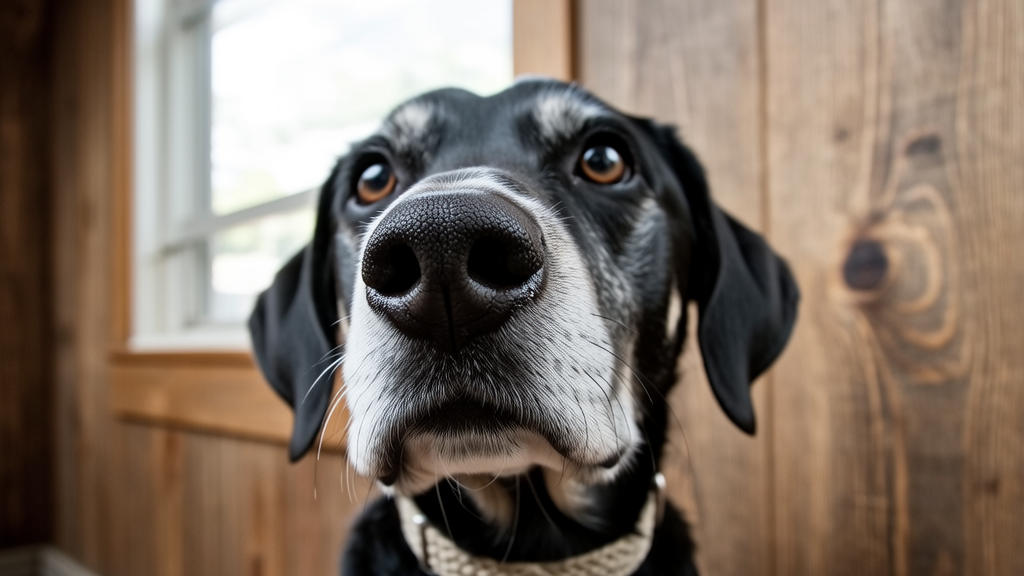
Bora Dogs Explained: The Canine Science Behind the Balkan Herder
What are Bora dogs? Explore the canine science, evolutionary traits, herding instincts, and physiology of this rare Balkan breed in our detailed guide.

What Are Bora Dogs? The Direct Answer
Bora dogs (also called Bora Hounds or regionally Bosnian/Croatian Herding types) are a landrace herding and flock-guardian type originating from the Balkan Peninsula — primarily Bosnia-Herzegovina, Croatia, and Serbia. They are not a single kennel-club-registered breed in the way the AKC defines breeds, but rather a regional working-dog population shaped by centuries of natural and functional selection. Genetically, Bora dogs cluster with other Balkan landrace types including the Šarplaninac and the Illyrian Shepherd. They typically weigh 55–88 lb (25–40 kg), stand 20–26 in (51–66 cm) at the shoulder, and display a strong flock-guarding instinct rooted in their ancestral role protecting sheep from wolves and bears in the Dinaric Alps.
If you've encountered the term "Bora dogs" online, you may have found sparse or conflicting information. That's because these dogs exist primarily as working animals in rural Balkan communities rather than as show-ring competitors. This guide breaks down the actual canine science — genetics, physiology, behavior, and evolutionary history — behind Bora dogs so you can understand what makes them tick, whether you're considering one as a working partner or simply fascinated by landrace dog populations.
The Evolutionary Basis: How Bora Dogs Developed Their Traits
From Wolf to Flock Guardian
Bora dogs descend from the ancient molosser-type livestock guardian dogs (LGDs) that accompanied early pastoralists across the Balkans beginning roughly 4,000–6,000 years ago. According to research published in the journal Scientific Reports (2018), Balkan LGD populations show distinct genetic clustering separate from Western European shepherd breeds, suggesting long-term geographic isolation and local adaptation.
The evolutionary pressures on Bora dogs were specific and intense:
- Predator pressure: The Dinaric Alps historically supported gray wolves (Canis lupus), brown bears (Ursus arctos), and Eurasian lynx — requiring dogs capable of independent threat assessment and physical defense.
- Harsh climate: Continental winters with temperatures dropping to −22°F (−30°C) selected for thick double coats, efficient fat metabolism, and cold-tolerance physiology.
- Low human intervention: Unlike Western European herding breeds (Border Collies, Australian Shepherds) that were shaped by close handler direction, Bora dogs were selected for independent decision-making — a trait that persists today.
This evolutionary context explains why Bora dogs behave differently from the herding breeds most American owners are familiar with. They are flock guardians first — meaning their primary instinct is to stay with their charge and deter threats, not to chase and move livestock like a Border Collie. This distinction has profound implications for their behavior in a home environment.
The Physiology Behind Bora Dog Behavior
Neuroendocrine Profile of Flock Guardians
Research on livestock guardian dog breeds, including Balkan types, reveals measurable physiological differences from herding and companion breeds:
- Lower predatory motor sequence completion: A study referenced by the Merck Veterinary Manual notes that LGDs show an interrupted predatory sequence — they orient toward and approach threats but do not complete the "grab-bite" or "kill-bite" stages against livestock. This is a product of both genetic selection and early developmental imprinting.
- Elevated baseline cortisol patterns: LGD breeds tend to maintain higher vigilance levels, reflected in cortisol profiles that differ from companion breeds. This means Bora dogs are physiologically wired to remain alert, particularly at dawn and dusk (crepuscular activity peaks).
- Serotonin receptor variations: Polymorphisms in the 5-HT2C receptor gene, documented in guardian breeds, are associated with lower aggression thresholds toward unfamiliar dogs while maintaining calm behavior toward familiar flock members (including human family).
The practical takeaway: a Bora dog's brain is literally structured differently from a Labrador Retriever's or a Poodle's. Their neurological wiring prioritizes threat monitoring and territory awareness over social appeasement or retrieve-drive. This isn't a character flaw — it's functional neurobiology shaped by millennia of selection pressure.
Physical Build and Functional Anatomy
| Trait | Bora Dog Typical Range | Functional Purpose |
|---|---|---|
| Weight | 55–88 lb (25–40 kg) | Mass sufficient to deter wolves; not so heavy as to limit mountain endurance |
| Height at shoulder | 20–26 in (51–66 cm) | Low center of gravity for stability on steep terrain |
| Coat type | Double coat; outer guard hairs 3–5 in (7–13 cm) | Weather protection; predator-bite resistance |
| Skull morphology | Mesocephalic (medium proportion) | Balanced bite force (~400–550 PSI estimated) without brachycephalic airway compromise |
| Lifespan | 10–14 years | Typical for landrace working dogs; hybrid vigor from outcrossing |
Why Do Bora Dogs Behave the Way They Do?
Understanding Bora dog behavior requires separating innate drives from learned responses. Here's a breakdown of the most commonly observed behaviors and their scientific basis:
Patrolling and Perimeter Checking
Bora dogs instinctively patrol territory boundaries, often following the same routes daily. This maps to the territorial marking circuit in the canine brain — specifically, the interaction between the olfactory bulb, the amygdala, and the hypothalamus. When a Bora dog walks a fence line and urinates at intervals, they are depositing olfactory signals (containing information about sex, reproductive status, and individual identity via major urinary proteins) that function as a chemical "keep out" notice to other canids.
Nocturnal Barking
Many Bora dog owners report increased vocalization between 10 PM and 4 AM. This is not random — it corresponds to the crepuscular/nocturnal activity patterns of predators in their ancestral environment. The behavior is triggered by auditory stimuli (sounds at frequencies between 1,000–8,000 Hz that fall outside typical human attention) processed through the inferior colliculus and amygdala, producing a rapid bark-alert response before conscious assessment occurs.
Bonding with "Flock" Over Humans
Unlike companion breeds selected for human-directed sociability, Bora dogs often form their strongest attachment bonds with other animals in their household — cats, chickens, livestock, or other dogs. This reflects their developmental imprinting window (typically weeks 4–16 of life), during which LGD puppies traditionally were placed with sheep to form cross-species social attachments. If raised in a home without livestock, this imprinting drive redirects toward whatever animals are present.
Common Misconceptions About Bora Dogs Debunked
| Myth | Fact |
|---|---|
| "Bora dogs are aggressive." | Bora dogs are protective, not aggressive. Their default response to unfamiliar stimuli is alert barking and positioning between the threat and their flock — not attack. Properly socialized Bora dogs score comparably to other breeds on temperament testing. |
| "They can't live in apartments or cities." | While a rural property is ideal, Bora dogs can adapt to suburban or urban settings if provided 90–120 minutes of structured daily exercise, mental enrichment, and proper socialization. The key challenge is nocturnal barking, which may violate noise ordinances. |
| "They don't need training because they're independent." | Independence ≠ untrainable. Bora dogs respond well to positive reinforcement and LIMA (Least Intrusive, Minimally Aversive) methods. They simply don't have the biddable "what do you want me to do?" drive of a Border Collie. Training requires patience and motivation (high-value food rewards, typically 10–15 kcal per reward for a 70 lb / 32 kg dog). |
| "They're the same as Šarplaninac or other Balkan breeds." | Bora dogs are a landrace — a locally adapted population without a formal breed standard. Šarplaninac is a standardized breed with FCI recognition (FCI #041). Bora dogs show greater phenotypic variation and may carry different genetic lineages depending on their specific region of origin. |
| "They're dangerous around children." | Bora dogs raised with children typically view them as flock members requiring protection. However, their large size (up to 88 lb / 40 kg) and protective instincts mean that supervision is always required — not because of aggression risk, but because a Bora dog may attempt to physically position itself between a child and an approaching stranger, which can be startling or knock a small child over. |
Practical Implications for Bora Dog Owners
What This Science Means for Daily Life
1. Fencing is non-negotiable. Bora dogs have a strong territorial patrol drive. A minimum 6-foot (1.8 m) fence with a dig-proof base (buried 12 in / 30 cm or equipped with a concrete footer) is recommended. Electronic/invisible fences are ineffective — the dog's protective instinct will override the shock stimulus if they perceive a threat beyond the boundary. Budget approximately $3,500–$7,000 for professional installation of a suitable perimeter fence for a typical suburban lot.
2. Socialization must begin by week 8. The critical socialization window for Bora dogs closes around 14–16 weeks. During weeks 8–14, expose the puppy to a minimum of 100 novel stimuli (people of different appearances, surfaces, sounds, objects) using positive reinforcement. A structured puppy socialization class costs $150–$300 for a 6-week course and is a worthwhile investment.
3. Nighttime management reduces barking. Bring the dog indoors or into a sound-dampened area (insulated garage, utility room) between 10 PM and 6 AM. White noise machines ($25–$50) placed near the dog's sleeping area can mask external triggers. This isn't suppressing natural behavior — it's managing the environment so the dog can rest without constant alert triggers.
4. Exercise requirements are moderate but specific. Bora dogs need 90–120 minutes of daily activity, but they prefer patrolling and exploring over repetitive fetch. Structured sniff walks (allowing the dog to choose direction and pace, stopping to sniff as long as desired) satisfy both physical and mental needs. A 45-minute sniff walk provides equivalent mental stimulation to 90+ minutes of physical exercise for scent-driven breeds.
5. Health screening matters. While landrace dogs benefit from broader genetic diversity (hybrid vigor), Bora dogs can still be predisposed to hip dysplasia (estimated 8–15% prevalence in large Balkan breeds per OFA-adjacent European databases) and gastric dilatation-volvulus (bloat). Feed 2–3 smaller meals daily rather than one large meal, and avoid vigorous exercise for 60 minutes before and after eating. Annual hip radiographs ($200–$400) starting at age 2 are recommended. Always consult your veterinarian for breed-appropriate screening schedules.
When Bora Dog Behavior Signals a Problem
Most Bora dog behaviors are normal expressions of their guardian heritage. However, certain patterns warrant veterinary or behavioral consultation:
Red Flag Behaviors — Seek Professional Help
- Sudden aggression toward familiar family members or flock animals: May indicate pain (orthopedic, dental, neurological), hypothyroidism, or a brain tumor. Schedule a full veterinary workup including blood panel ($150–$300) and thyroid panel ($80–$150) before pursuing behavioral intervention.
- Compulsive pacing or fence-running lasting more than 2 hours daily: Suggests chronic stress, insufficient stimulation, or separation anxiety. A certified veterinary behaviorist (DACVB) consultation costs $300–$600 and can distinguish between management issues and clinical anxiety requiring medication.
- Failure to bond with any animal or person by 6 months of age: While Bora dogs are independent, complete social detachment is abnormal and may indicate early developmental trauma or a neurological condition.
- Resource guarding of food, space, or people that escalates to biting: This is not normal guardian behavior — it's a behavioral pathology. Work with a certified professional dog trainer (CPDT-KA or IAABC-certified) using counter-conditioning and desensitization protocols. Expect 8–12 sessions ($80–$150/session) for meaningful improvement.
Bora Dogs Compared to Similar Breeds
| Trait | Bora Dog (Landrace) | Šarplaninac (FCI #041) | Great Pyrenees (AKC) |
|---|---|---|---|
| Weight range | 55–88 lb / 25–40 kg | 77–132 lb / 35–60 kg | 85–100+ lb / 39–45+ kg |
| FCI/AKC recognition | No (landrace) | FCI recognized | AKC recognized |
| Primary instinct | Flock guarding + some herding | Flock guarding | Flock guarding |
| Barking tendency | High (especially nocturnal) | Moderate–High | High |
| Stranger tolerance | Low–Moderate (alert, wary) | Low (reserved, distrustful) | Moderate (calm but watchful) |
| Exercise need | 90–120 min/day | 60–90 min/day | 40–60 min/day |
| Genetic diversity | High (landrace outcrossing) | Moderate (closed studbook) | Low–Moderate (popular breed bottleneck) |
The Bora dog's landrace status is actually a significant health advantage. According to the AKC's discussion of hybrid vigor, genetically diverse populations tend to have lower rates of recessive inherited diseases. However, this comes at the cost of predictability — you cannot guarantee a Bora puppy's adult size, coat type, or temperament with the same confidence as a standardized breed.
Frequently Asked Questions About Bora Dogs
Can Bora dogs adapt to living as companion pets without livestock?
Yes, but with caveats. Bora dogs raised without livestock will redirect their guarding instinct toward their human family, other pets, or even the house itself. This can manifest as excessive territorial barking, door-guarding, or wariness of houseguests. Structured socialization, positive reinforcement training, and providing a "job" (scent work, structured patrolling on leash, canine sports like barn hunt) help channel these drives constructively. Expect a 6–12 month adjustment period when transitioning a working-line Bora dog to a companion home.
How do Bora dogs process threats differently from herding breeds?
Herding breeds (Border Collies, Australian Shepherds) respond to threats by looking to their handler for direction — their working style is cooperative. Bora dogs, as LGDs, process threats through an independent assessment pathway: they evaluate the stimulus, determine its threat level, and act without waiting for human input. Neurologically, this involves a stronger direct pathway from the amygdala (threat detection) to motor cortex (action) with less prefrontal modulation (the region associated in dogs with seeking social cues). This is why recall training is harder with Bora dogs — once they've decided a threat exists, redirecting their attention requires high-value reinforcement (real meat, not kibble) and extensive proofing under distraction.
Is it normal for my Bora dog to bark all night?
Nocturnal barking is normal but not unmanageable. In their native environment, Bora dogs bark at night because predators are most active at dusk and dawn. In a suburban setting, triggers include passing cars, neighborhood cats, delivery trucks, and other dogs barking. If the barking exceeds 30–45 minutes of cumulative vocalization per night, environmental management (indoor sleeping, white noise, blackout curtains) is recommended. Chronic sleep disruption in dogs — as in humans — elevates cortisol and impairs immune function.
What does it mean when my Bora dog stands between me and a stranger?
This is classic flock-guardian positioning behavior. Your Bora dog has identified you as a flock member and is interposing itself between you and a perceived potential threat. It is not necessarily a prelude to aggression — most Bora dogs in this position are assessing, not attacking. Calmly acknowledge the dog ("Thank you, good dog") and redirect with a cue they know well ("sit" or "place"). Reward compliance with a treat. Over time, this teaches the dog that you can handle the situation and their intervention isn't needed for routine interactions.
How is a Bora dog's sense of smell different from a scent hound's?
While Bora dogs have a well-developed olfactory system (approximately 200–250 million olfactory receptors, compared to a Bloodhound's ~300 million), their scent processing is oriented toward threat detection and territory monitoring rather than tracking. A Bloodhound follows a single scent trail with obsessive focus; a Bora dog samples broadly, identifying any novel or out-of-place odor that might indicate a predator or intruder. This makes them excellent at "area searches" (scent work, barn hunt) but poor at trailing or tracking sports.
Where can I find a Bora dog in the United States?
Bora dogs are extremely rare in the US. Most are still in the Balkans. Your best options include: (1) contacting Balkan breed-specific rescue organizations that occasionally import dogs, (2) searching Petfinder using terms like "Balkan Shepherd" or "Illyrian Shepherd" (Bora dogs are sometimes mislabeled), or (3) connecting with working-dog networks in the US that import LGDs for ranch use. Expect to pay $800–$2,000 for an imported puppy from a working-line breeder, plus $500–$1,200 in import and quarantine-related costs. Always verify health testing (hip scores, genetic panel) before purchasing. Adoption through a rescue typically costs $300–$600.
Related Behaviors and Cross-References
If you're interested in the science behind Bora dogs, these related topics deepen your understanding of guardian-breed behavior:
- Resource guarding in LGDs: How flock guardians differentiate between "their" resources and shared resources — and why food bowl guarding is less common in LGDs than in companion breeds.
- Canine crepuscular activity patterns: The neurobiology of dawn/dusk alertness and how artificial light exposure shifts these rhythms in urban dogs.
- Imprinting and cross-species bonding: How LGD puppies form social attachments to sheep, goats, or chickens during the 4–16 week critical period.
- Bark vocalization analysis: Research shows LGD barks have lower fundamental frequencies (200–400 Hz) than companion breed barks (400–800 Hz), making them more acoustically intimidating to predators — and more disruptive to human neighbors.
Sources and Further Reading
- Pilot, M. et al. (2018). "Genomic diversity and population structure of Balkan livestock guardian dogs." Scientific Reports, 8, Article 9618. nature.com/articles/s41598-018-27819-1
- Merck Veterinary Manual — Social Behavior of Dogs. merckvetmanual.com
- American Kennel Club — Hybrid Vigor in Dogs. akc.org
Beth Carrasco
All our authors care for dogs every day — read more of their work on the authors page.