Canine Science
The science behind how dogs think, feel, and live — evidence-based deep dives.

Canine Bowel Obstruction: Why Dogs Swallow Dangerous Objects
Explore the science behind canine bowel obstruction—why dogs ingest foreign objects, the physiological mechanisms, evolutionary roots, and how to protect your dog.
Aaron Whyte
My Dog Keeps Licking His Paws: The Science Behind Why and What to Do
My dog keeps licking his paws — discover the science behind this behavior, from evolutionary roots to medical causes, and learn when to see a vet.
Anouk Beaumont
Native American Indian Dog: Genetics, Origins & Behavioral Science
Explore the science behind the Native American Indian Dog—its genetic origins, wolf-like traits, behavioral tendencies, and what modern canine research reveals.
Anouk Beaumont
Lifespan of Wiener Dogs: The Science Behind Dachshund Longevity
Explore the lifespan of wiener dogs (12-16 years) through canine science. Learn why Dachshunds live longer than most breeds, IVDD risks, and care tips.
Beth Carrasco
Why Does a Dog Wag Its Tail? The Science Behind the Wag
Why does a dog wag its tail? Discover the neuroscience, evolutionary origins, and real meaning behind tail wagging — including direction bias research and
Jonas Cole
How Many Dog Years to a Year? The Science Behind Canine Aging
How many dog years to a year? Discover the science behind canine aging, epigenetic clocks, breed size differences, and what your dog's age really means.
Beth Carrasco
Why Does My Dog Cry? The Science Behind a Dog's Cry
Explore the science behind your dog's cry — from tear production and vocalization to emotional signaling, evolutionary roots, and when crying signals a vet visit.
Robin Maitland
The Science Behind Dog Breath Fresheners: What Actually Works
Discover the science behind dog breath fresheners—how canine halitosis develops, what ingredients work, and evidence-based solutions for fresher breath.
Dr. Hannah Wickes
I Just Lost My Dog: The Science of Grief, Bonding, and Recovery
I just lost my dog and wondering why it hurts so much? Explore the science of human-dog bonding, grief physiology, and evidence-based coping strategies.
Anouk Beaumont
Float Vests for Dogs: The Science of Canine Buoyancy and Water Safety
How float vests for dogs work with canine physiology to improve water safety.
Robin Maitland
Dog With Neurological Symptoms: What the Science Reveals
Spotting a dog with neurological symptoms can be alarming. Learn the science behind canine neurological signs, causes, diagnostics, and when to see a vet.
Priya Sutaria
Why Your Dog Gained Weight: The Science Behind Canine Obesity
Discover the evolutionary, hormonal, and behavioral science behind why your dog gained weight, plus actionable steps to manage canine obesity safely.
Tom Renshaw
Dog Operation Suit: The Science of Post-Surgical Recovery Wear
How dog operation suits work, the science behind post-surgical recovery garments, and practical guidance for choosing and using them effectively.
Beth Carrasco
Simplicef Dogs: The Science Behind Dogs' Simplest Behaviors
What are simplicef dogs? Explore the canine science behind simple, instinctive dog behaviors, their evolutionary origins, and what they mean for owners.
Aaron Whyte
Chinese Chongqing Dog: The Science Behind This Ancient Hunting Breed
Explore the evolutionary science, physiology, and unique traits of the Chinese Chongqing Dog — an ancient hunting breed with a 2,000-year legacy.
Robin Maitland
Causes, Symptoms, and What Science Tells Us
Horner's syndrome in dogs causes a droopy eye, constricted pupil, and sunken appearance. Learn the neurological science, causes, treatment, and prognosis.
Aaron Whyte
Are Bell Peppers Good for Dogs? A Canine Nutrition Science
Are bell peppers good for dogs? Explore the science behind canine digestion of peppers, nutritional benefits, safe serving sizes, and evolutionary context.
Aaron Whyte
What Breed Is This Dog? The Science of Canine Identification
Curious about what breed is this dog? Learn the science behind canine breed identification, DNA testing accuracy, and why visual ID is often wrong.
Beth Carrasco
Can Dogs Get Cold Sores? The Science of Canine Herpes
Can dogs get cold sores? Learn the science behind canine herpes virus (CHV-1), how it differs from human cold sores, symptoms, and what owners need to know.
Tom Renshaw
What to Give a Dog for Upset Stomach
Discover what to give a dog for upset stomach, backed by veterinary science.
Anouk Beaumont
Dog Paw Licking: The Science Behind Why Dogs Lick Their Paws
Explore the science behind dog paw licking — from evolutionary grooming roots to medical red flags.
Beth Carrasco
Dogs and Yogurt: The Science of Canine Lactose Digestion
Can dogs eat yogurt safely? Explore the science of canine lactose digestion, probiotic benefits, safe serving sizes, and which yogurts to avoid.
Robin Maitland
The Most Rare Dog Breeds: Genetics, Science & Why They're Vanishing
What makes the most rare dog breeds so uncommon? Explore the canine science behind rarity, genetic bottlenecks, and what owners need to know.
Priya Sutaria
How Often to Brush Dog Teeth: A Dental Care Guide
Learn how often to brush dog teeth based on veterinary science.
Beth Carrasco
How to Keep Flies Off Dogs: The Science Behind
How to keep flies off dogs using science-backed methods. Understand why flies target dogs, the physiology behind fly-biting behavior, and proven
Tom Renshaw
How to Get Ticks Off Dogs: The Science of Safe Removal
Learn how to get ticks off dogs safely using science-backed methods. Understand tick biology, disease risks, removal tools, and prevention strategies.
Jonas Cole
How Often Does a Dog Get Its Period? The Estrus Cycle Explained
How often does a dog get its period? Learn the science behind the canine estrus cycle, breed variations, stages, and what owners need to know.
Anouk Beaumont
The Long Snouted Dog: Science Behind Dolichocephalic Breeds
Discover the science behind the long snouted dog. Learn how dolichocephalic anatomy affects vision, scent, health, and daily care for breeds like Greyhounds and Collies.
Marcus Aldridge
The Science of Bones for Dogs: Safety, Benefits, and Risks Explained
Explore the science behind bones for dogs — from evolutionary chewing instincts and jaw mechanics to safety data on raw vs.
Beth Carrasco
What Science Says About Human-Like Emotions in Dogs
Is your anthropomorphic dog really feeling guilt, jealousy, or love? Canine science separates proven emotional abilities from human projection with...
Robin Maitland
What Positive Reinforcement Dog Trainers Know About
Discover the neuroscience behind why positive reinforcement dog trainers get lasting results.
Priya Sutaria
Pain Reliever for Dogs: The Science of Canine Pain...
How dogs process pain, why they hide it, and what science says about safe pain reliever for dogs options including NSAIDs, dosing.
Dr. Hannah Wickes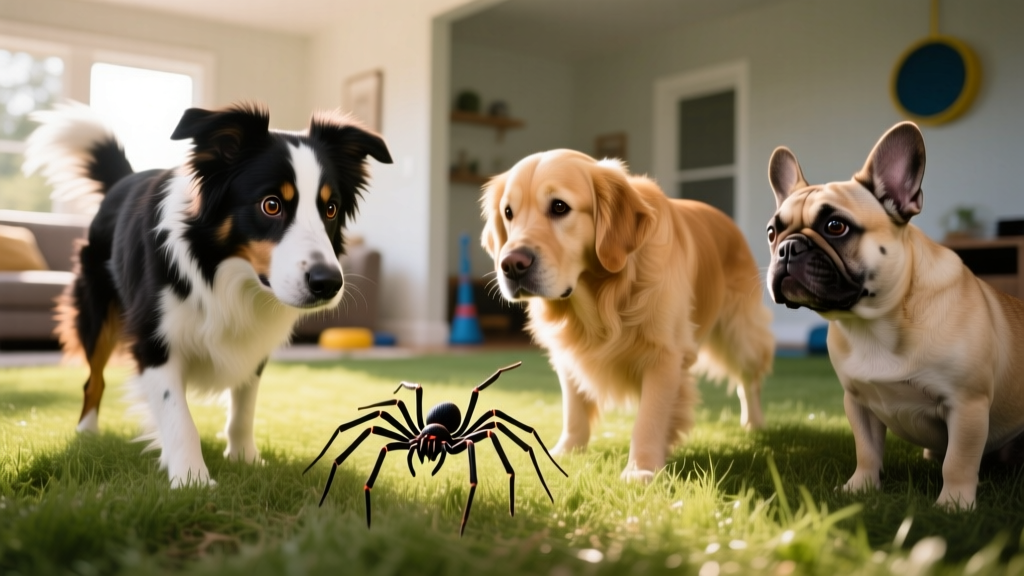
Dog Spiders: Why Dogs React to Spiders and What Science Says
Why do dogs react to spiders? Explore the canine science behind prey drive, sensory detection, and spider safety for dogs in this evidence-based guide.
Robin Maitland
The Dog Dance: Why Dogs Spin, Circle, and Prance (Canine Science)
Why do dogs spin, circle, and prance? Explore the science behind the dog dance — from ancestral wolf behavior to vestibular health red flags.
Priya Sutaria
Neutering a Dog? Canine Reproductive Surgery
What is neutering a dog? Explore the veterinary science, hormonal mechanisms, evolutionary context, and practical implications of canine gonadectomy.
Dr. Hannah Wickes
Dog and Bunny: The Science Behind Canine Prey Drive Toward Rabbits
Why do dogs chase rabbits? Explore the canine science behind prey drive, evolutionary origins, and how to safely manage your dog and bunny interactions.
Aaron Whyte
Can My Dog Catch My Cold? The Science of Cross-Species Infection
Can my dog catch my cold? Veterinary science explains why human cold viruses rarely infect dogs, what symptoms to watch for, and when to call the vet.
Aaron Whyte
Snuffle Mats for Dogs: The Canine Science Behind Scent Enrichment
Explore the canine science behind snuffle mats for dogs—how olfactory enrichment taps into evolutionary foraging instincts and boosts mental wellbeing.
Aaron Whyte
Ear Wipes for Dogs: The Science of Canine Ear Health and Hygiene
Discover the science behind ear wipes for dogs, including canine ear anatomy, why dogs need ear care, and how to choose and use wipes effectively.
Beth Carrasco
What Is a Good Breed of Dog? The Science of Matching
What is a good breed of dog for you? Canine science reveals how genetics, temperament testing, and evolutionary history predict the best breed match for your lifestyle.
Anouk Beaumont
Dog Yoga (Doga): The Science Behind Stretching With Your Canine
Explore the science behind dog yoga (doga), including canine stretching physiology, stress reduction research, and practical tips for safe practice.
Beth Carrasco
How Long Do Dogs Stay in Heat? The Complete Canine
How long do dogs stay in heat? Learn the exact stages, durations, hormonal mechanisms, and evolutionary science behind the canine estrus cycle.
Robin Maitland
Define Wag the Dog: The Real Science Behind Tail Wagging
Define wag the dog behavior through canine science. Learn what tail wagging really means, the brain mechanisms behind it, and how to read your dog's signals accurately.
Robin Maitland
Dog Safety Belt Science: Why Canines Need Crash Restraint Systems
The biomechanics and canine science behind dog safety belts: crash force data, physiological injury mechanisms, and evidence-based restraint guidance for owners.
Beth Carrasco
Dog Weight Scale Science: How Canines Perceive Mass and Body Size
Explore the science behind how dogs perceive weight, mass, and body size—and why a dog weight scale matters for health monitoring and body condition scoring.
Aaron Whyte
The Science Behind Potty Training the Dog
Discover the canine science behind potty training the dog — from evolutionary den instincts to bladder physiology and evidence-based housebreaking methods.
Tom Renshaw
X Pen for Dogs: The Canine Science of Confinement & Den Behavior
Explore the science behind using an x pen for dogs — how den instincts, spatial cognition, and stress physiology shape your dog's response to exercise pens.
Tom Renshaw
Make a Cake for Your Dog: Canine Taste & Safe Recipes
Learn how to make a cake for your dog safely, backed by canine taste science, evolutionary biology, and vet-approved ingredient guidelines.
Aaron Whyte