Canine Science
The science behind how dogs think, feel, and live — evidence-based deep dives.

EPI Dogs: The Science of Seizure Alert and Response Canines
How EPI dogs detect and respond to epileptic seizures — the canine science behind seizure alert training, detection mechanisms, and what research reveals.
Robin Maitland
Habanese Dog Science: Why This Hybrid Barks, Bonds, &...
The science behind the Habanese dog: explore the genetics, behavior, and physiology that shape this Havanese-Bichon cross's temperament, vocalizations, and health.
Beth Carrasco
Dog With a Hacking Cough: The Science Behind Why It Happens
Why does your dog have a hacking cough? Explore the canine science, evolutionary roots, physiological mechanisms, and when it signals a serious health problem.
Beth Carrasco
Head Halter for Dogs: The Science Behind How They Work
Discover the canine science behind why a head halter for dogs works, including biomechanics, behavioral research, and expert fitting guidance for safe use.
Jonas Cole
When Can Dogs Get Pregnant? The Science of Canine Reproduction
Learn when dogs can get pregnant, including first heat cycle timing, fertility science, evolutionary origins, and practical spay/breeding guidance for owners.
Priya Sutaria
Metamucil for Dogs: The Science of Psyllium Fiber in Canine Digestion
How Metamucil for dogs works scientifically — psyllium fiber mechanisms, correct dosing by weight, safety data
Robin Maitland
The Science of the Long Hair Dog: How Coat Genetics...
Discover the science behind long hair dog coats — from FGF5 gene mutations to grooming physiology. Evidence-based care tips and breed insights.
Tom Renshaw
Can Dogs Watch TV? The Science Behind How Dogs See Screens
Can dogs watch TV? Explore the canine science behind flicker fusion rates, color perception, and why modern screens changed everything for dog viewers.
Marcus Aldridge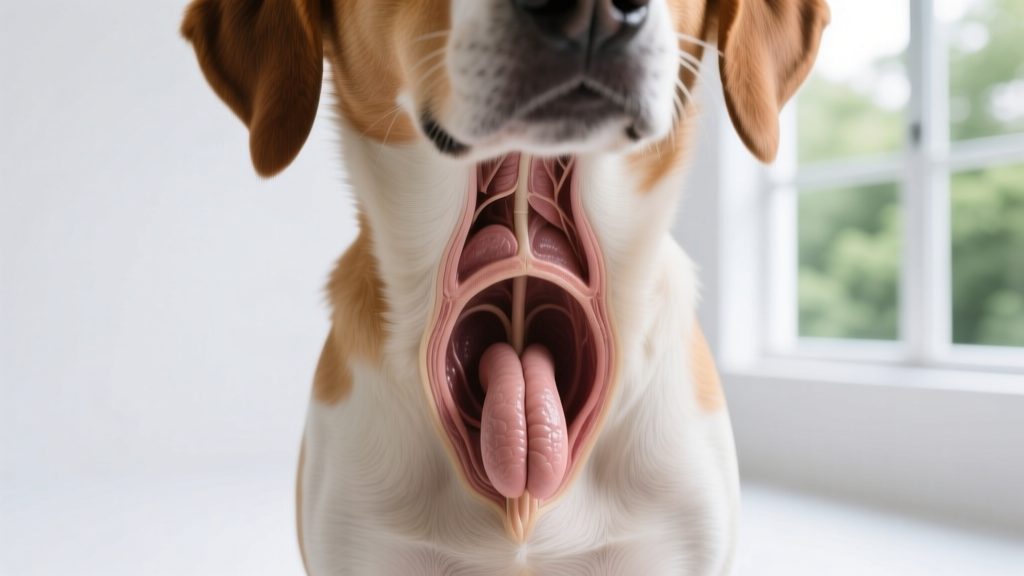
Dog Vagina Anatomy & Health: A Complete Canine Science Guide
Learn about dog vagina anatomy, estrus cycle physiology, common infections like vaginitis, and when to see a vet.
Priya Sutaria
Can Humans Get the Stomach Flu From Dogs?
Can humans get the stomach flu from dogs? We break down the science of zoonotic GI pathogens, transmission risks, and how to protect your household.
Priya Sutaria
Pain Meds for Dogs
How pain meds for dogs work at the neurological level, why canines process pain differently than humans, and what the science means for safe dosing.
Robin Maitland
The Malibu Dog Phenomenon: Science Behind Coastal Canine Behavior
What is a Malibu dog? Explore the canine science behind beach-adapted behaviors, water affinity, sand play, and sun-seeking traits in coastal-living dogs.
Beth Carrasco
Why Dogs See Humans as Their Dog Family: The Science Explained
Discover the science behind why dogs treat humans as their dog family — from oxytocin loops to evolutionary history and what it means for your bond.
Aaron Whyte
Epileptic Fits in Dogs Symptoms: A Canine Science Guide
Recognize epileptic fits in dogs symptoms early. Learn the science behind canine seizures, triggers, diagnosis, and how to keep your dog safe during episodes.
Beth Carrasco
My Dog Keeps Sneezing: The Canine Science Behind the Sniffles
My dog keeps sneezing — is it normal? Explore the canine science of sneezing, from evolutionary origins and physiological triggers to when you should call the vet.
Tom Renshaw
Farm Dogs: Instincts, Cognition, and Working Behavior
Explore the canine science behind farm dogs — from herding instincts and livestock guardian cognition to the evolutionary basis of working behaviors.
Aaron Whyte
How Often Do Dogs Need to Pee? The Science Behind Canine Urination
How often do dogs need to pee? Discover the science, breed variations, age factors, and health signals behind your dog's urination frequency.
Dr. Hannah Wickes
Why Does My Dog Keep Licking His Butt? The Science Behind
Why does my dog keep licking his butt? Discover the evolutionary, physiological, and medical reasons behind this common canine behavior and when to see a vet.
Anouk Beaumont
Woman With Sex Dog: Why Dogs Hump and the Science Behind It
Curious about the 'woman with sex dog' search trend? Learn the real science behind why dogs hump, mount, and display sexual behaviors — and what it means.
Beth Carrasco
Dog Memorial Science: How Canines Grieve and Remember Their Pack
Explore the science behind dog memorial behaviors — how canines process loss, form memories, and grieve.
Priya Sutaria
How Old Is a Dog in Dog Years at 3? The Science of Canine Aging
How old is a dog in dog years at 3? Discover the UC San Diego epigenetic formula, breed-size aging differences, and what your 3-year-old dog's age means for health care.
Tom Renshaw
Why Do Dogs Lick Humans? The Science Behind This Common Behavior
Why do dogs lick humans? Explore the evolutionary, physiological, and behavioral science behind dog licking, plus when it signals a problem.
Aaron Whyte
Valerian Root for Dogs: Canine Science, Safety, and Dosing Guide
Explore the science behind valerian root for dogs — how it affects the canine brain, safe dosing, proven benefits, risks, and what veterinary research says.
Tom Renshaw
Guard Dog Instincts: The Canine Science Behind Protective Behavior
Explore the science behind guard dog behavior, from evolutionary wolf roots to breed-specific guarding instincts, physiology, and responsible training methods.
Jonas Cole
Why Dogs Test Boundaries
Discover the canine science behind boundary testing and escape behavior, and learn how to choose the right pet fence for dogs based on breed, drive, and biology.
Tom Renshaw
How Old Is 9 in Dog Years? The Science of Canine Aging
Discover how old 9 in dog years really is. Science-based aging formulas, breed-size differences, and practical senior care tips for your dog.
Aaron Whyte
Mamdani Dogs: The Science Behind This Unique Working Lineage
the science behind Mamdani dogs — their evolutionary origins, physiological traits, behavior patterns, & what modern canine research reveals about this...
Beth Carrasco
Bulbus Glandis in Dogs: Anatomy, Purpose & What Owners Should Know
What is the bulbus glandis in dogs? Learn the science behind canine reproductive anatomy, the tie mechanism, and practical implications for owners.
Priya Sutaria
White and Brown Spots on Dogs
Why do some dogs have white and brown spots? Learn the genetics, evolution, and health implications of piebald and particolored coats in dogs.
Marcus Aldridge
Female Dog Blood in Urine: Causes, Science, and When to Worry
Discover the science behind female dog blood in urine, including UTI causes, estrus cycle explanations, diagnostic tests, and when to call your vet.
Tom Renshaw
Why Pom Dog Images Captivate Us
Discover the canine science behind why pom dog images are so irresistible — from baby schema triggers to Pomeranian breed evolution and visual perception.
Jonas Cole
Why Your Dog Won't Stop Licking: The Science Behind the Behavior
Discover why your dog won't stop licking from a scientific perspective — evolutionary roots, brain chemistry, medical causes, and when to see a vet.
Marcus Aldridge
Dog Personality Science: What Shapes Your Dog's Unique Character
Explore the science behind dog personality: genetics, brain chemistry, breed traits, and what research reveals about your dog's unique character.
Dr. Hannah Wickes
Why Do Dogs Wag Their Tails?
Why do dogs wag their tails? Explore the neuroscience, evolutionary biology, and breed-specific variations behind canine tail wagging behavior.
Aaron Whyte
Dog Hospice Care: Supporting Your Senior Dog's Final Chapter
Explore the science behind dog hospice care—physiological changes, behavioral shifts, pain management, and practical guidance for your senior dog's end-of-life journey.
Beth Carrasco
Why Do Dogs Whine? The Canine Science Behind This Common Behavior
Why do dogs whine? Explore the evolutionary, physiological, and behavioral science behind canine whining, plus practical guidance for owners.
Beth Carrasco
Hungarian Vizsla vs Hungarian Wirehaired Vizsla: The...
Explore the science behind the Hungarian Vizsla and Wirehaired Vizsla's exceptional scenting ability, evolutionary roots, and practical training tips.
Aaron Whyte
Baby Gates for Dogs: Barriers and Boundaries
Discover the canine science behind how dogs perceive baby gates, territorial boundaries, and barrier frustration
Tom Renshaw
The Science Behind Using Dog Pens for Outside Time Safely
Explore the canine science behind outdoor dog pens for outside use — territorial behavior, stress signals, enrichment needs, and evidence-based setup guidance.
Dr. Hannah Wickes
The Science Behind Abused Dogs: Trauma, Recovery, and Behavior
Explore the canine science behind abused dogs — how trauma reshapes the brain, why fear responses persist, and evidence-based recovery strategies for owners.
Tom Renshaw
How to Eliminate Ticks on Dogs: Science-Based Guide to...
Learn how to eliminate ticks on dogs using science-backed methods. Covers tick biology, safe removal, prevention products, and common myths debunked.
Priya Sutaria
The Science of Hydration: Why a Water Dispenser for Dogs
Discover the canine science behind hydration needs, how a water dispenser for dogs supports health, and what research reveals about drinking behavior.
Aaron Whyte
Can Dogs Have Beef Stock? The Science of Broth Safety for Dogs
Is beef stock safe for dogs? We break down the science of broth ingredients, sodium risks, toxic compounds, and how to safely serve beef stock to your dog.
Aaron Whyte
Dog Hair Dye Safety: The Science Behind Coloring Your Dog's Coat
Is dog hair dye safe? Explore the veterinary science, skin physiology, and safety data behind coloring your dog's coat, plus vet-approved alternatives.
Marcus Aldridge
Feline Canine Teeth vs. Dog Teeth: A Comparative Anatomy Guide
Explore the science behind feline canine teeth compared to dog teeth.
Robin Maitland
How to Get a Dog to Take a Pill: The Science Behind the Struggle
Learn how to get a dog to take a pill using science-backed methods. Understand canine taste biology, pill-hiding behavior, and proven techniques that work.
Jonas Cole
20 Pound Dog: The Science of Small-Dog Physiology, Behavior & Care
Why a 20 pound dog behaves, eats, and ages differently from larger breeds — explored through canine science, evolutionary biology, and practical owner guidance.
Tom Renshaw
Dog Won't Stop Panting: The Science of Canine Thermoregulation
Why your dog won't stop panting — explore the evolutionary biology, physiology, and warning signs behind canine panting with expert-backed guidance.
Tom Renshaw