What to Give a Dog for Upset Stomach
Discover what to give a dog for upset stomach, backed by veterinary science.
Quick Answer: What to Give a Dog for Upset Stomach
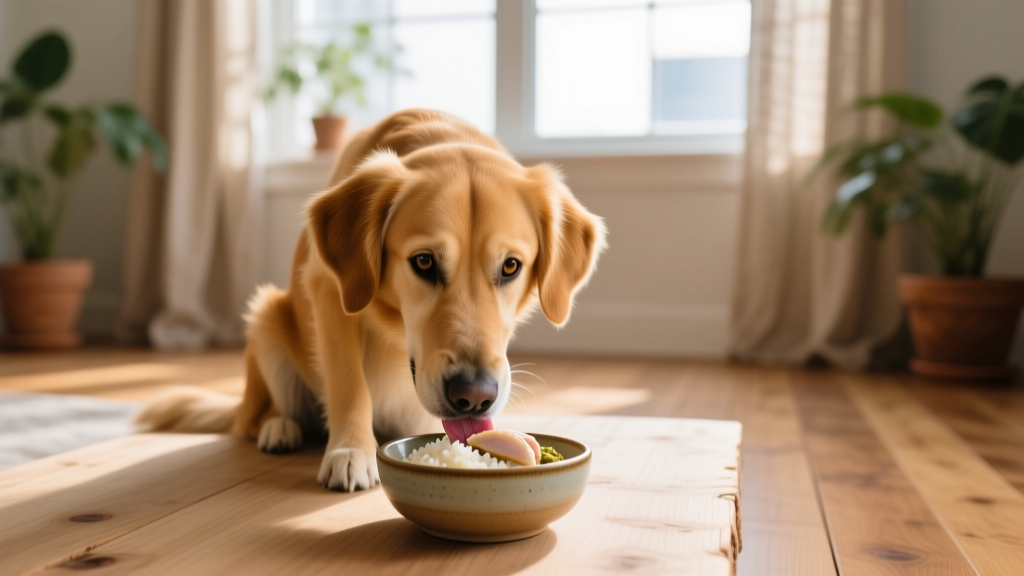
For mild upset stomach in dogs, the safest first-line approach is a 12 to 24-hour fasting period (water only), followed by a bland diet of boiled white rice and lean boiled chicken breast (2:1 rice-to-chicken ratio) fed in small portions every 3-4 hours. Canned plain pumpkin puree (not pie filling) at 1-2 tablespoons per 10 lb of body weight can help firm stools. Over-the-counter options like famotidine (Pepcid) at 0.5 mg/kg twice daily may reduce stomach acid, but always confirm with your veterinarian before administering any medication. If vomiting persists beyond 24 hours, contains blood, or is accompanied by lethargy, seek veterinary care immediately.
Every dog owner has witnessed it: the grass-eating, the lip-licking, the unmistakable rumble that precedes a mess on the kitchen floor. Canine gastrointestinal upset is one of the most common reasons dogs visit veterinary clinics, accounting for an estimated 10-15% of all primary care visits according to data from the Merck Veterinary Manual. But understanding why a dog's stomach becomes upset — and what physiological mechanisms drive the behaviors we observe — transforms guesswork into informed care.
The Physiology of Canine Digestion: How Your Dog's Stomach Works
The Canine GI Tract by the Numbers
- Stomach pH: 1.0-2.0 (significantly more acidic than humans at 1.5-3.5), enabling rapid breakdown of raw meat and bone
- Transit time: 8-10 hours from ingestion to small intestine; 18-24 hours total GI transit (vs. 24-72 hours in humans)
- Stomach capacity: Roughly 0.5-1.0 liters in a 30 lb dog, expanding significantly after fasting
- Digestive enzymes: Dogs produce amylase primarily in the pancreas (not saliva), unlike humans who begin starch digestion in the mouth
- Intestinal length ratio: Approximately 3.5x body length, compared to 6-8x in omnivorous humans and 10-20x in herbivores
The canine stomach is engineered as a high-acid processing chamber. Parietal cells in the gastric mucosa secrete hydrochloric acid continuously, with secretion rates increasing dramatically in response to food presence. The hormone gastrin, released by G-cells in the stomach antrum, triggers acid production when peptides and amino acids from protein are detected. Meanwhile, motilin — a peptide hormone — drives the migrating motor complex (MMC), the rhythmic contractions that sweep undigested material through the small intestine during fasting periods.
When a dog's stomach becomes upset, the disruption typically occurs at one of three levels: the gastric mucosa becomes inflamed (gastritis), the MMC rhythm becomes irregular (dysmotility), or the intestinal microbiome shifts out of balance (dysbiosis). Each mechanism produces different clinical signs, which is why a single "cure-all" doesn't exist for every upset stomach.
Evolutionary Context: Why Dogs Have Sensitive Stomachs
From Wolf Scavenger to Domestic Dog: A Digestive Mismatch
The ancestral wolf (Canis lupus) evolved as a feast-or-famine predator. Wolves could consume up to 20% of their body weight in a single sitting — roughly 20 lb of meat and bone for a 100 lb wolf — then fast for several days. Their digestive systems adapted to handle large boluses of protein and fat with extreme acid concentrations, followed by prolonged rest periods.
Domestication over the past 15,000-30,000 years introduced a dramatic dietary shift. Dogs living alongside humans in agricultural settlements gained access to starch-rich food waste. A landmark 2013 study published in Nature (Axelsson et al.) identified that dogs carry multiple copies of the AMY2B gene (pancreatic amylase), with some breeds carrying up to 30 copies compared to wolves' typical 2 copies. This genetic adaptation allowed dogs to digest starch far more efficiently than their wolf ancestors.
However, this adaptation is incomplete and unevenly distributed. Many breeds still retain the ancestral feast-or-famine digestive programming, which is why rapid dietary changes, rich table scraps, or sudden access to high-fat foods can overwhelm their enzymatic capacity and trigger acute pancreatitis or gastroenteritis.
This evolutionary tension — between ancestral carnivore physiology and modern omnivore diets — explains why some dogs tolerate dietary indiscretion while others develop symptoms from a single unfamiliar treat. The breed-level variation in amylase gene copies means that a Labrador Retriever may handle a sudden switch to a new kibble without incident, while a Siberian Husky (which tends to carry fewer AMY2B copies) might experience significant GI disturbance from the same change.
Why Do Dogs Eat Grass When Their Stomach Is Upset?
The grass-eating behavior (coprophagia-adjacent, though technically folivory) is one of the most widespread canine behaviors, observed in an estimated 68% of dogs according to a study published in Applied Animal Behaviour Science (Sueda et al., 2008). The common folk explanation — "dogs eat grass to make themselves vomit" — is only partially correct and largely misunderstood.
The research data tells a more nuanced story:
| Finding | Data Point | Interpretation |
|---|---|---|
| Dogs showing signs of illness before grass eating | Only 9% of owners reported pre-existing illness signs | Most grass eating is NOT preceded by observable nausea |
| Dogs vomiting after grass consumption | 22% vomited afterward | Vomiting is a side effect, not necessarily the purpose |
| Young dogs more likely to eat grass | Significantly higher prevalence in dogs under 1 year | May be exploratory behavior or dietary supplementation instinct |
| Dogs on plant-based fiber-deficient diets | Higher grass consumption rates | Suggests a roughage-seeking instinct rooted in ancestral prey-stomach content consumption |
The evolutionary explanation is compelling: wild canids consume the entire prey animal, including the partially digested plant material in the herbivore's stomach and intestines. This provided fiber, prebiotics, and micronutrients absent from muscle meat alone. Modern dogs eating highly processed kibble may instinctively seek roughage to stimulate gut motility and support microbiome diversity.
Evidence-Based Remedies: What Actually Works
When your dog is experiencing GI upset, the goal is to support the body's natural healing mechanisms while avoiding interventions that could worsen inflammation. Here's what veterinary gastroenterology research supports:
The Bland Diet Protocol (Gold Standard for Acute GI Upset)
The traditional bland diet of boiled chicken and white rice works through specific physiological mechanisms:
- White rice provides easily digestible carbohydrates with minimal fiber, reducing the workload on inflamed intestinal villi. The low-residue nature means less bulk moving through compromised gut tissue.
- Boiled chicken breast (skinless, boneless) delivers highly bioavailable protein with low fat content. Fat requires bile acid secretion and pancreatic lipase activity — both of which are reduced during GI inflammation.
- The 2:1 ratio (rice to chicken by volume) ensures adequate caloric density without overloading protein-processing capacity.
Bland Diet Feeding Schedule by Dog Weight
| Dog Weight | Total Daily Amount | Per Meal (4x daily) | Duration |
|---|---|---|---|
| 5-15 lb (2-7 kg) | ¾ cup rice + ⅓ cup chicken | ~3 tablespoons | 3-5 days |
| 16-30 lb (7-14 kg) | 1½ cups rice + ½ cup chicken | ~½ cup | 3-5 days |
| 31-60 lb (14-27 kg) | 3 cups rice + 1 cup chicken | ~1 cup | 3-5 days |
| 61-100 lb (28-45 kg) | 4½ cups rice + 1½ cups chicken | ~1½ cups | 3-5 days |
| 100+ lb (45+ kg) | 6 cups rice + 2 cups chicken | ~2 cups | 3-5 days |
Note: These amounts are approximate and not nutritionally complete for long-term feeding. Transition back to regular food over 2-3 days by mixing increasing proportions of regular food with decreasing bland diet.
Probiotics: The Microbiome Connection
The canine gut microbiome contains an estimated 10 trillion bacterial cells across 200+ species. During GI upset, this ecosystem becomes disrupted — pathogenic bacteria like Clostridium perfringens can proliferate while beneficial Lactobacillus and Bifidobacterium populations decline.
Research published in the Journal of Veterinary Internal Medicine has demonstrated that multi-strain probiotics containing Enterococcus faecium (specifically the SF68 strain, found in products like Purina FortiFlora at approximately $30-35 for a 30-day supply) can reduce the duration of acute diarrhea by 1-2 days compared to placebo. The mechanism involves competitive exclusion — beneficial bacteria occupy attachment sites on the intestinal epithelium, preventing pathogenic colonization.
Important caveat: human probiotics often contain strains not adapted to the canine gut environment. The optimal canine probiotic should contain species-specific strains at concentrations of at least 1 × 10⁹ CFU (colony-forming units) per dose.
Over-the-Counter Medications: What's Safe and What Isn't
| Medication | Mechanism | Canine Dose | Safety Notes |
|---|---|---|---|
| Famotidine (Pepcid AC) | H2-receptor antagonist — reduces gastric acid secretion | 0.5 mg/kg PO every 12 hours | Generally safe for short-term use (3-5 days). Consult vet for dogs with kidney disease. |
| Omeprazole (Prilosec) | Proton pump inhibitor — blocks acid production at the cellular level | 0.5-1.0 mg/kg PO every 24 hours | More potent than famotidine. Should only be used under veterinary guidance. Long-term use alters gut microbiome. |
| Kaolin-Pectin | Adsorbent — binds toxins and coats intestinal lining | 1-2 mL/kg PO every 6-8 hours | Can interfere with absorption of other medications. Separate dosing by 2 hours. |
| Loperamide (Imodium) | Opioid receptor agonist — slows intestinal motility | 0.1 mg/kg PO every 8-12 hours | NEVER use in herding breeds (Collies, Australian Shepherds, Shelties) with MDR1 gene mutation — can cause fatal neurotoxicity. Avoid if bacterial infection is suspected. |
| Pepto-Bismol (Bismuth subsalicylate) | Anti-secretory and anti-inflammatory | Not generally recommended | Contains salicylate — related to aspirin. Toxic to cats, risky for dogs on NSAIDs or with bleeding disorders. Avoid without vet approval. |
⚠️ Veterinary Disclaimer: The dosages listed above are general references from the Merck Veterinary Manual and veterinary formularies. Your dog's specific health status, concurrent medications, and breed predispositions may alter safe dosing. Always consult your veterinarian before administering any medication to your dog.
Common Misconceptions Debunked
| Myth | Scientific Reality |
|---|---|
| "Milk soothes a dog's upset stomach" | Most adult dogs are lactose intolerant. Lactase enzyme production declines sharply after weaning. Milk introduces lactose that ferments in the colon, producing gas, bloating, and osmotic diarrhea — worsening the very symptoms you're trying to treat. |
| "Fasting is cruel — dogs need to eat regularly" | A 12-24 hour fast allows the GI mucosa to rest and regenerate. The migrating motor complex (MMC) performs "housekeeping" contractions during fasting that clear bacteria and debris. This is the ancestral state — wolves routinely fasted for days between kills. |
| "Brown rice is healthier, so use it for a bland diet" | Brown rice contains more fiber and phytic acid, which requires more digestive effort. During acute GI inflammation, the goal is minimal residue and maximum absorption — white rice is superior for this specific therapeutic purpose. |
| "If my dog is vomiting, I should give them food to settle their stomach" | Food in an actively inflamed stomach triggers further acid secretion and gastrin release, perpetuating the vomiting cycle. The correct sequence is: fast → hydrate → bland diet → gradual reintroduction. |
| "Electrolyte drinks like Gatorade are fine for dehydrated dogs" | Human sports drinks contain sugar concentrations (6-8%) that exceed what a dog's compromised gut can absorb, causing osmotic diarrhea. They also contain artificial sweeteners — some formulations include xylitol, which is highly toxic to dogs. Use veterinary-specific electrolyte solutions or unflavored Pedialyte diluted 50/50 with water. |
| "Hamburger is a good bland diet protein" | Ground beef typically contains 15-20% fat, even "lean" varieties. Fat delays gastric emptying and stimulates cholecystokinin release, which can worsen nausea and trigger pancreatitis in susceptible breeds (Miniature Schnauzers, Yorkshire Terriers). Boiled, skinless chicken breast contains approximately 1-2% fat. |
When Upset Stomach Signals Something Serious
Not all GI upset is benign dietary indiscretion. The canine GI tract can be the first organ system to reveal systemic disease, and distinguishing between a self-limiting episode and a life-threatening emergency requires understanding specific red-flag patterns.
🚨 Call Your Veterinarian Immediately If You Observe:
- Vomiting more than 3 times in 24 hours — suggests ongoing obstruction, toxin exposure, or systemic illness rather than simple dietary indiscretion
- Blood in vomit (fresh red or "coffee ground" appearance) — indicates gastric mucosal hemorrhage, ulceration, or coagulopathy
- Non-productive retching with abdominal distension — hallmark of gastric dilatation-volvulus (GDV/bloat), a surgical emergency with mortality rates of 15-33% even with treatment. Most common in deep-chested breeds: Great Danes, German Shepherds, Standard Poodles, Irish Setters
- Lethargy combined with GI signs — suggests systemic involvement (pancreatitis, parvovirus, Addison's disease, kidney failure)
- Pale or tacky gums — indicates dehydration or poor perfusion; capillary refill time exceeding 2 seconds is abnormal
- Known ingestion of a toxic substance — contact ASPCA Animal Poison Control at (888) 426-4435 (24/7, consultation fee applies) or Pet Poison Helpline at (855) 764-7661
- Puppies under 6 months with vomiting/diarrhea — high risk of parvovirus (mortality up to 91% without treatment) and rapid dehydration due to low body reserves
- No improvement after 48 hours of bland diet — chronic GI signs warrant diagnostic workup including bloodwork, fecal analysis, and potentially abdominal imaging
Breed Variations in Digestive Sensitivity
Digestive resilience varies significantly across breeds due to genetic differences in enzyme production, gut microbiome composition, and anatomical factors:
| Breed | GI Predisposition | Underlying Mechanism | Owner Implication |
|---|---|---|---|
| German Shepherd | Exocrine pancreatic insufficiency (EPI), chronic enteropathy | Immune-mediated destruction of pancreatic acinar cells; reduced IgA production in gut mucosa | Chronic loose stools warrant pancreatic elastase testing; may need lifelong enzyme supplementation |
| Miniature Schnauzer | Acute pancreatitis, hyperlipidemia | Genetically impaired lipid metabolism; elevated serum triglycerides sensitize pancreas to inflammation | Strict low-fat diet (< 10% fat on dry matter basis); even one fatty meal can trigger an episode costing $1,500-4,000 in emergency treatment |
| Irish Setter | Gluten-sensitive enteropathy | Autosomal recessive genetic defect causing T-cell-mediated response to wheat gluten, similar to human celiac disease | Lifelong gluten-free diet required; condition resolves completely with dietary elimination |
| Collie / Australian Shepherd | MDR1 drug sensitivity | Mutation in ABCB1 gene impairs P-glycoprotein blood-brain barrier, making certain anti-diarrheal drugs (loperamide) potentially lethal | Genetic testing recommended ($70-150 via Washington State University); never use loperamide without MDR1 status confirmation |
| Brachycephalic breeds (Bulldogs, Pugs, Boston Terriers) | Frequent regurgitation, hiatal hernia | Increased negative intrathoracic pressure from airway obstruction pulls gastric contents upward; esophageal tone compromised | Elevated feeding stations, smaller more frequent meals, and evaluation for brachycephalic obstructive airway syndrome (BOAS) surgery |
| Yorkshire Terrier | Hemorrhagic gastroenteritis (HGE), protein-losing enteropathy | Small body size means even mild fluid loss causes rapid hemoconcentration; intestinal lymphangiectasia impairs protein absorption | Any bloody diarrhea is an emergency; aggressive IV fluid therapy often required within hours of symptom onset |
How Is Canine Digestion Different From Humans?
Understanding the physiological differences between canine and human digestion helps explain why certain human remedies don't translate and why dogs experience GI upset differently:
- Acid concentration: A dog's stomach acid is approximately 100 times more concentrated than human gastric acid at rest. This allows dogs to safely consume raw meat and bones that would cause severe foodborne illness in humans, but also means that when the protective mucosal barrier is compromised, ulceration occurs rapidly.
- Enzyme distribution: Humans produce salivary amylase, beginning starch digestion in the mouth through chewing. Dogs produce virtually no salivary amylase — all carbohydrate digestion occurs in the small intestine via pancreatic enzymes. This is why dogs can swallow food whole without digestive penalty, but also why sudden high-carbohydrate loads can overwhelm pancreatic capacity.
- Gut flora composition: The human gut microbiome is dominated by Bacteroidetes and Firmicutes in roughly equal proportions. Dogs have a higher proportion of Fusobacteria and Proteobacteria, reflecting their more carnivorous evolutionary niche. This means human probiotics may not colonize effectively in the canine gut.
- Vomiting threshold: Dogs have a more readily activated chemoreceptor trigger zone (CTZ) in the brainstem, making them more prone to vomiting in response to toxins, motion, and systemic illness. This is actually a protective mechanism — dogs can rapidly expel harmful substances before significant absorption occurs.
- Intestinal permeability: Puppies have significantly higher intestinal permeability ("leaky gut") than human infants, which is why dietary indiscretion in young dogs more commonly leads to systemic bacterial translocation and sepsis.
Practical Daily-Life Implications for Dog Owners
Translating this science into daily practice means building preventive habits that work with your dog's digestive biology rather than against it:
The Digestive Health Toolkit
- Transition foods over 7-10 days — mix 25% new food with 75% old food for days 1-3, then 50/50 for days 4-6, then 75/25 for days 7-9, then 100% new food on day 10. This allows the microbiome to adapt enzyme production gradually.
- Maintain consistent feeding times — the circadian rhythm influences gastric acid secretion and motilin release. Irregular feeding disrupts the migrating motor complex, allowing bacterial overgrowth in the small intestine.
- Limit treats to 10% of daily caloric intake — the "90/10 rule" prevents dietary imbalance. For a 30 lb dog eating approximately 700 kcal/day, treats should not exceed 70 kcal (roughly 2-3 small training treats).
- Keep a GI symptom journal — note food changes, stress events, stool consistency (use the Purina Fecal Scoring System, where ideal is score 2-3 on a 7-point scale), and vomiting episodes. Patterns emerge that single observations miss.
- Stock a GI emergency kit: canned plain pumpkin (not pie filling), plain white instant rice, freeze-dried chicken treats, Purina FortiFlora probiotic packets, and your veterinarian's after-hours emergency number.
Frequently Asked Questions
Can dogs sense when their stomach is upset before symptoms appear?
Dogs likely detect early GI disturbance through interoceptive signaling — the vagus nerve transmits information from stretch receptors and chemoreceptors in the gut wall to the brainstem. Behavioral changes like restlessness, lip-licking, seeking grass, or hiding may precede visible vomiting by 30-60 minutes. However, dogs do not conceptualize "upset stomach" the way humans do — they experience discomfort and respond with instinctive coping behaviors rather than conscious understanding of the cause.
Is it normal for my dog to have an upset stomach after switching food?
Mild GI disruption during food transitions is common and expected — the microbiome needs 7-14 days to adjust enzyme production and bacterial populations to a new macronutrient profile. However, severe vomiting, bloody diarrhea, or signs lasting beyond 5-7 days are NOT normal and suggest either a food intolerance (immune-mediated reaction to a specific protein) or an underlying condition being unmasked by dietary change. If symptoms are severe, stop the transition and consult your veterinarian.
What does it mean when my dog eats grass and then vomits?
This sequence suggests the grass is mechanically irritating the gastric lining, triggering the vomiting reflex via vagal afferent pathways. The rough cellulose fibers stimulate stretch receptors and irritant receptors in the stomach wall. While occasional grass-induced vomiting is benign, if your dog seeks grass daily and vomits consistently, this may signal chronic low-grade gastritis, acid reflux, or an unmet dietary fiber need. A veterinary evaluation including a dietary assessment is warranted.
How do dogs process nausea differently than humans?
The canine vomiting center in the medulla oblongata receives input from four primary sources: the chemoreceptor trigger zone (CTZ, which detects blood-borne toxins), the vestibular system (motion sickness), the vagus nerve (GI irritation), and higher cortical centers (anxiety/fear). Dogs have a more sensitive CTZ than humans, which is why they vomit more readily in response to systemic illness. Interestingly, dogs lack the cognitive framework for anticipatory nausea — they don't experience the "I feel sick thinking about it" phenomenon humans get from associating a food with a past illness (conditioned taste aversion does occur, but without the conscious emotional component).
Can I give my dog ginger for an upset stomach?
Ginger (Zingiber officinale) has demonstrated anti-emetic properties in both human and veterinary research. The active compounds — gingerols and shogaols — act on serotonin (5-HT3) receptors in the gut, reducing nausea signaling. For dogs, fresh grated ginger at approximately ¼ teaspoon per 20 lb of body weight, mixed into food, may help mild nausea. However, ginger can interact with blood-thinning medications and may worsen gallstone conditions. Always check with your veterinarian before introducing supplements, especially for dogs on concurrent medications.
Is fasting safe for puppies with upset stomachs?
Fasting guidelines differ significantly for puppies. Puppies under 6 months should NOT be fasted for more than 12 hours due to limited glycogen reserves and risk of hypoglycemia. Toy breed puppies (Chihuahuas, Yorkshire Terriers, Pomeranians) are especially vulnerable — fasting beyond 8 hours can cause dangerous blood sugar drops. For young puppies with GI upset, offer small amounts of bland diet every 2-3 hours rather than withholding food entirely. Any puppy under 16 weeks with vomiting or diarrhea should see a veterinarian the same day due to rapid dehydration risk.
References & Further Reading
- Axelsson, E. et al. (2013). "The genomic signature of dog domestication reveals adaptation to a starch-rich diet." Nature, 495(7441), 360-364.
- Sueda, K.L., Hart, B.L., & Hart, L.A. (2008). "Characterisation of plant eating in dogs." Applied Animal Behaviour Science, 111(1-2), 120-132.
- Merck Veterinary Manual — Gastritis in Small Animals
- ASPCA Animal Poison Control Center — (888) 426-4435
- Washabau, R.J. & Day, M.J. (2012). Canine and Feline Gastroenterology. Elsevier.
Anouk Beaumont
All our authors care for dogs every day — read more of their work on the authors page.


