Green Paw Patrol Dog
Why does your dog have green paws? Explore the science behind green paw staining, porphyrin pigments, yeast overgrowth, and when to see a vet.

Quick Answer: Why Are My Dog's Paws Green?
If your dog's paw pads or the fur between their toes has turned green, the most common causes are: porphyrin staining from excessive licking, environmental staining (grass, algae, copper surfaces), or yeast/bacterial overgrowth (Malassezia dermatitis). Green discoloration from licking is related to the same porphyrin compounds that cause reddish-brown staining — but when mixed with saliva enzymes, skin bacteria, and environmental factors, the hue can shift green. If the green is accompanied by odor, swelling, or your dog is obsessively chewing their paws, consult your veterinarian to rule out infection, allergies, or pain.
If you've ever glanced down during a walk and noticed your dog's paws sporting an unexpected green tint — earning them the nickname of a "green paw patrol dog" in your household — you're not alone. Paw discoloration is one of the most common questions dog owners bring to veterinary clinics, and the science behind it is more fascinating than most realize. The green color isn't random; it's a visible signal of underlying chemistry, biology, and sometimes a health concern that deserves attention.
The Science of Porphyrins and Paw Staining
What Are Porphyrins?
Porphyrins are a group of organic compounds that contain iron and are produced when the body breaks down red blood cells. In dogs, porphyrins are excreted not only through urine and feces but also through saliva, tears, and sweat glands in the paw pads. When saliva containing porphyrins sits on fur or skin and is exposed to air, the iron in these compounds oxidizes — similar to how iron rusts — producing pigments that range from pink to reddish-brown to, in certain conditions, greenish.
The specific color depends on several variables:
- pH of the skin surface — dog skin typically has a pH of 5.5–7.2, but localized changes from bacterial activity shift this
- Bacterial species present — Staphylococcus pseudintermedius and Malassezia pachydermatis produce pigments that interact with porphyrins
- Moisture level — chronically damp interdigital spaces (between the toes) create ideal staining conditions
- Light exposure — UV light accelerates porphyrin oxidation, darkening the stain over time
According to the Merck Veterinary Manual, interdigital dermatitis — inflammation between the toes — is frequently accompanied by secondary yeast or bacterial colonization that alters the color and odor of affected skin. The green you see may be a combination of porphyrin oxidation products and the natural pigments produced by Malassezia yeast, which can appear greenish-brown under certain conditions.
Evolutionary Context: Why Dogs Lick Their Paws
Ancestral Roots of Paw Licking
In wild canids — wolves, coyotes, and foxes — paw licking serves several survival functions:
- Wound cleaning: Saliva contains lysozyme, lactoferrin, and immunoglobulin A, which have mild antibacterial properties. Licking a minor paw injury was an adaptive self-care behavior before veterinary medicine existed.
- Debris removal: Wolves traveling long distances across varied terrain use licking to clean thorns, burrs, and ice from between their toes.
- Thermoregulation: Dogs have eccrine sweat glands concentrated in their paw pads. Licking spreads saliva across these glands, enhancing evaporative cooling — a behavior more critical in ancestral canids living in arid environments.
- Scent communication: Interdigital glands produce pheromones. Licking redistributes these chemical signals, a behavior observed in territorial marking among wild canids.
Modern domestic dogs retain all of these instinctive behaviors, but in the context of a living room and a kibble diet, compulsive licking often signals an unresolved problem rather than adaptive self-care.
Physiological Mechanism: How Green Discoloration Develops
The pathway from a normal paw to a green-stained paw involves a cascade of physiological events:
| Stage | What Happens | Timeframe |
|---|---|---|
| 1. Trigger | Allergens (environmental, food), pain, anxiety, or moisture cause the dog to lick paws excessively | Minutes to days after exposure |
| 2. Saliva deposition | Porphyrin-rich saliva coats the fur and skin between toes | Continuous during licking episodes |
| 3. Moisture trap | Interdigital spaces remain damp; skin macerates and pH shifts upward | 24–72 hours |
| 4. Microbial overgrowth | Malassezia yeast and Staphylococcus bacteria proliferate in warm, moist conditions | 3–7 days |
| 5. Pigment production | Oxidized porphyrins + microbial pigments combine to produce green or greenish-brown staining | 7–21 days of sustained moisture |
This is a positive feedback loop: the more the dog licks, the more moisture accumulates, the more microbes grow, the itchier the paws become, and the more the dog licks. Breaking this cycle is the key to resolving green paw staining.
Environmental Causes: It's Not Always Biology
Before assuming the green is medical, consider your dog's environment. Several non-biological sources can turn paws green:
- Grass and chlorophyll: Dogs that walk on freshly mowed lawns or play in wet grass pick up chlorophyll stains on their pads and interdigital fur. This is harmless and washes off with a mild dog shampoo.
- Copper oxidation: Dogs walking on copper-treated surfaces (some outdoor furniture, garden edging, or older metal dog bowls) can develop green staining from copper carbonate — the same compound that turns the Statue of Liberty green.
- Algae: Puddles, birdbaths, and damp concrete can harbor blue-green algae (cyanobacteria). Warning: some cyanobacteria produce hepatotoxins that are lethal to dogs. If your dog has been in contact with algae-covered water and shows green paws plus vomiting, diarrhea, or lethargy, seek emergency veterinary care immediately. Contact ASPCA Animal Poison Control at (888) 426-4435 (24/7, consultation fee applies).
- Lawn treatments: Certain fertilizers and iron-based moss killers can stain paws green. Check product labels for pet-safety information before application.
When Green Paws Signal a Problem
When to See the Vet
Green paw discoloration alone isn't always an emergency, but the following signs warrant a veterinary visit within 24–48 hours:
- Obsessive licking or chewing — your dog spends more than a few minutes per session focused on their paws
- Foul or yeasty odor — a musty, corn-chip-like smell indicates Malassezia overgrowth
- Swelling between toes — interdigital edema suggests infection or a foreign body (foxtail, thorn)
- Limping or reluctance to walk — pain signals that go beyond surface staining
- Open sores, bleeding, or discharge — secondary bacterial infection requiring antibiotics
- Hair loss (alopecia) around the paws — chronic licking damages hair follicles
- Spreading to other areas — if staining appears on the groin, armpits, or face, a systemic allergy or endocrine disorder may be involved
Underlying conditions your veterinarian will investigate include:
- Atopic dermatitis (environmental allergies): Affects an estimated 10–15% of dogs, with paw licking as a hallmark symptom. Breeds predisposed include West Highland White Terriers, French Bulldogs, Golden Retrievers, and German Shepherds, according to AKC health resources.
- Food allergy or intolerance: Proteins like chicken, beef, and dairy are the most common triggers. An elimination diet trial lasting 8–12 weeks is the gold standard for diagnosis.
- Hypothyroidism: Low thyroid function causes skin changes and secondary infections. A full thyroid panel (total T4, free T4, TSH) typically costs $120–$250 at most veterinary clinics.
- Interdigital cysts or foreign bodies: Grass awns (foxtails) can lodge between toes, causing localized infection and staining. Surgical removal costs $200–$600 depending on depth and sedation needs.
- Anxiety or compulsive disorder: Canine compulsive disorder (CCD) can manifest as repetitive paw licking, similar to obsessive-compulsive behaviors in humans. A veterinary behaviorist consultation runs $250–$500 for an initial assessment.
Myths vs. Facts About Green Dog Paws
| Myth | Fact |
|---|---|
| "Green paws mean my dog ate something toxic." | While toxic ingestion can cause excessive salivation, green paws are far more commonly caused by licking, environmental stains, or yeast. Toxic ingestion presents with vomiting, tremors, or collapse — not isolated paw staining. |
| "Dog saliva is sterile and heals wounds." | Dog saliva contains bacteria including Pasteurella, Capnocytophaga, and Staphylococcus species. While it has mild antibacterial enzymes, excessive licking delays wound healing and introduces infection risk. |
| "Only white dogs get paw staining." | Porphyrin staining is more visible on light-colored fur, but dogs of any coat color produce the same porphyrin levels. Dark-coated dogs may show staining on the paw pads themselves or you may notice odor and texture changes instead. |
| "I can just bleach the green off." | Never use bleach, hydrogen peroxide, or human hair products on dog paws. These damage the skin barrier and worsen the underlying problem. Use veterinary-formulated wipes or chlorhexidine-based cleansers instead. |
| "If my dog stops licking, the green will go away on its own." | Existing stains on fur won't disappear until the stained hair grows out and is replaced — typically 4–8 weeks. Pad staining may fade faster with gentle cleaning. The priority is identifying why the dog was licking. |
Breed Variations in Paw Staining Susceptibility
While any dog can develop green paw discoloration, certain breeds are more prone due to anatomical and genetic factors:
| Breed | Risk Factor | Why |
|---|---|---|
| French Bulldog | High | Tight interdigital spaces trap moisture; high allergy prevalence (up to 30% of the breed affected by atopic dermatitis) |
| West Highland White Terrier | High | Genetically predisposed to Malassezia dermatitis; white coat makes staining highly visible |
| Bulldog (English) | High | Heavy body weight puts pressure on paw pads; skin folds between toes retain moisture |
| Golden Retriever | Moderate | Feathered toe fur traps debris and moisture; high allergy and hypothyroidism rates |
| German Shepherd | Moderate | Prone to food sensitivities and anxiety-related compulsive licking |
| Labrador Retriever | Moderate | Active outdoor lifestyle increases environmental exposure; high food allergy rates |
| Chihuahua | Low–Moderate | Anxiety-driven licking common, but small paw surface area limits visible staining |
Practical Steps for Managing and Preventing Green Paws
Daily Paw Care Protocol
- Post-walk wipe-down: Use veterinary-formulated paw wipes (chlorhexidine 2% or witch hazel-based) after every outdoor walk. Brands like Earthbath Paw Wipes ($8–$12 for a 100-count pack) or Vetnique Glandex wipes ($10–$14) are effective options.
- Interdigital drying: If your dog's paws are wet, gently pat between each toe with a clean microfiber towel. For thick-coated breeds, a cool-setting hair dryer held 12+ inches away can help.
- Weekly inspection: Spread each toe and check for redness, swelling, foreign objects, or odor. Catch problems before staining develops.
- Barrier protection: For dogs with chronic licking, consider breathable paw covers (e.g., Pawz rubber boots, $12–$16 for a 12-pack) or a lightweight cotton sock secured with medical tape during high-licking periods (evening TV time, car rides).
- Allergy management: Work with your vet on an allergy action plan. Options include Apoquel (oclacitinib, $50–$90/month), Cytopoint injections ($65–$120 per injection lasting 4–8 weeks), or a hydrolyzed protein diet trial (Royal Canin HP or Hill's z/d, $80–$130 for a 25-lb bag).
What NOT to Do
- Do not apply human antifungal creams without veterinary guidance — dogs will lick them off, and some ingredients (like clotrimazole in large quantities) can cause gastrointestinal upset.
- Do not use essential oils (tea tree, eucalyptus) on paws — many are toxic to dogs when absorbed through skin or ingested via licking.
- Do not shave between the toes yourself unless trained — interdigital skin is thin and easily cut, leading to infection.
- Do not ignore chronic paw licking as "just a habit" — compulsive licking has an underlying cause that needs diagnosis, not just suppression.
How Is Paw Staining Different From Human Skin Discoloration?
Humans and dogs process porphyrins differently. In humans, excess porphyrins in the body signal rare metabolic disorders like porphyria, which cause photosensitivity and dark urine. In dogs, porphyrin excretion through saliva and tears is completely normal physiology — it's the volume and location that determine whether staining becomes a cosmetic or medical issue.
Additionally, human skin has a more acidic surface pH (around 4.5–5.5) compared to dog skin (5.5–7.2), making canine skin more hospitable to the bacteria and yeast that contribute to green staining. Dogs also lack the manual dexterity to clean their own paws effectively, relying entirely on licking — which, ironically, adds more moisture and porphyrins to the problem area.
Frequently Asked Questions
Why do dogs lick their paws so much?
Paw licking can stem from allergies (environmental or food), pain (arthritis, foreign body, interdigital cyst), anxiety, boredom, or a self-soothing compulsive behavior. If licking exceeds a few minutes per day or causes visible staining, a veterinary workup is recommended to identify the root cause.
Can dogs develop green paws from food dyes?
It's unlikely but theoretically possible. Some low-quality treats or kibble contain artificial dyes (FD&C Green No. 3, Yellow No. 5) that could transfer to paws if a dog handles food with their feet or drops food on their paws. However, porphyrin staining and environmental factors are far more common causes. If you suspect food dye, switch to a limited-ingredient diet with no artificial colors for 2–4 weeks and observe.
How do dogs process porphyrins differently from other animals?
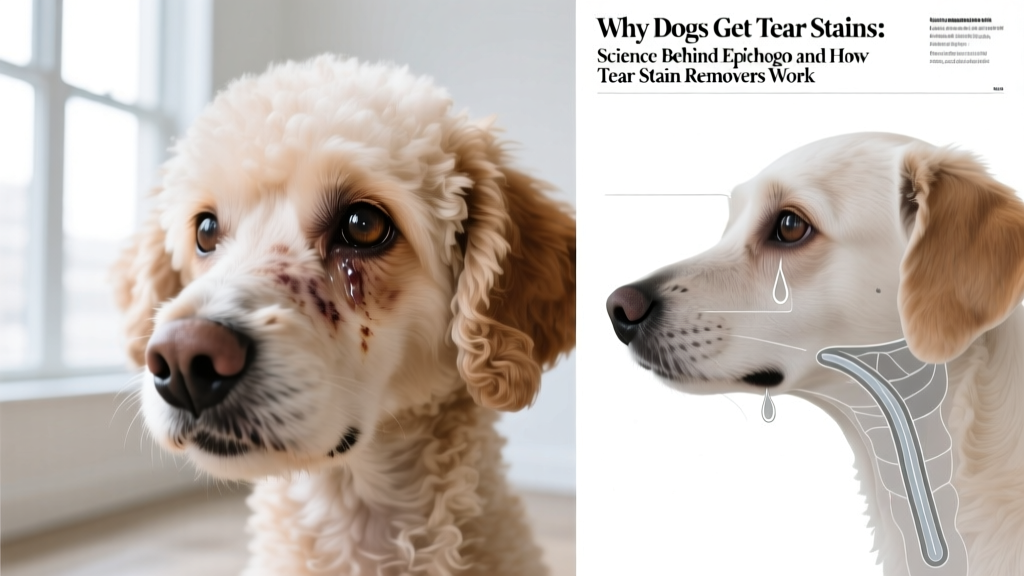
Dogs excrete a higher proportion of porphyrins through saliva and tears compared to cats or humans. This is why tear staining (epiphora) and paw licking stains are so much more common in dogs. Brachycephalic breeds (Pugs, Shih Tzus, Bulldogs) also have anatomical features that increase tear overflow and saliva contact with fur.
What does it mean when my dog only licks one paw?
Focal licking of a single paw strongly suggests a localized issue rather than a systemic allergy. Common causes include a foreign body (grass awn, thorn, splinter), an interdigital cyst, a broken nail, a pad injury, or even a small tumor. A vet can perform a thorough interdigital exam, sometimes requiring sedation for a complete look.
Is green paw staining normal?
Occasional mild discoloration from environmental contact (grass, mud) is normal and harmless. Persistent green staining accompanied by moisture, odor, or behavioral changes (excessive licking, limping) is not normal and indicates an underlying condition that needs veterinary attention.
How long does it take for green paw stains to fade?
Once the underlying cause is addressed and licking stops, stained fur will be replaced by new growth in approximately 4–8 weeks depending on breed and coat growth rate. Paw pad staining fades faster — usually 2–3 weeks with regular gentle cleaning. Do not attempt to scrub or bleach stains; this damages skin and restarts the licking cycle.
Sources
- Merck Veterinary Manual — Overview of Skin and Ear Disorders in Small Animals
- American Kennel Club — Dog Allergies: Symptoms, Causes, and Treatment
- ASPCA Animal Poison Control Center
This article is for informational purposes only and does not replace professional veterinary advice. Always consult your veterinarian for diagnosis and treatment of your dog's health conditions.
Jonas Cole
All our authors care for dogs every day — read more of their work on the authors page.