Xoloitzcuintli Skincare And Dental Health Guide 2026
Discover essential 2026 skincare and dental routines for the Xoloitzcuintli. Learn about sun protection, moisturizers, and dental care for hairless breeds.
The Genetic Link: Hairlessness, Skin, and Teeth
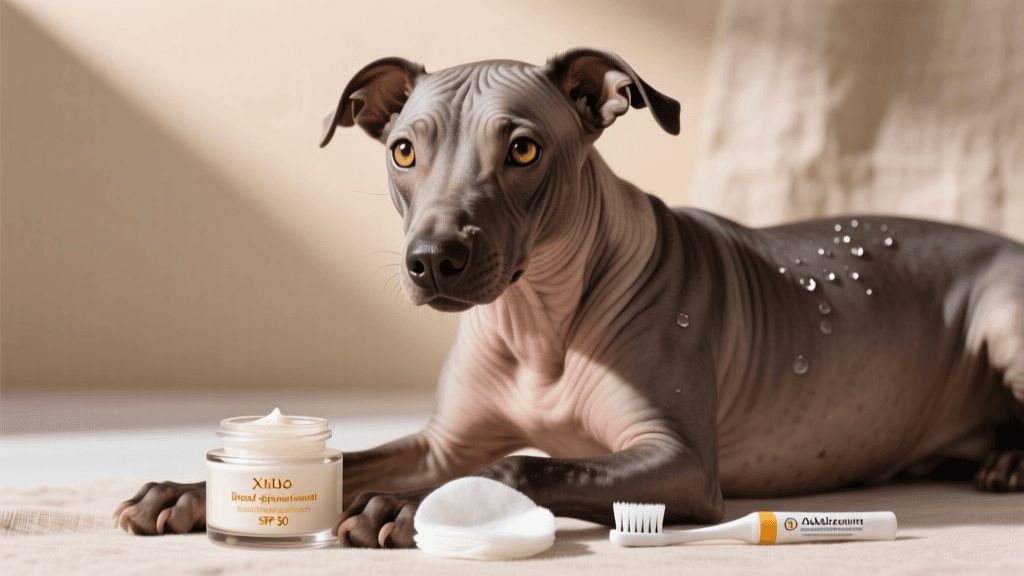
To properly care for a Xoloitzcuintli, one must first understand the biological mechanics behind its appearance. The hairless trait is caused by a dominant mutation in the FOXI3 gene. This same gene is intimately linked to ectodermal dysplasia, a condition that affects the development of hair, teeth, and sweat glands. According to the American Kennel Club (AKC), it is entirely normal and expected for a hairless Xolo to be missing several premolars and molars. While the coated variety of the Xolo possesses a full set of teeth and a short, flat coat, the hairless variety requires meticulous, lifelong management of its exposed skin and compromised dental structure.
2026 Skincare Essentials for the Hairless Xolo
Without a protective layer of fur, the Xolo's skin is directly exposed to environmental aggressors, including UV radiation, pollution, and extreme temperatures. In 2026, veterinary dermatologists emphasize a proactive, multi-step skincare routine to prevent acne, hyperpigmentation, and solar dermatitis.
1. Cleansing and Exfoliation
Xolos are prone to canine acne and blackheads, particularly on their backs and snouts. Sebaceous glands, which normally lubricate hair follicles, can become clogged when there is no hair to wick away the sebum.
- Weekly Baths: Use a gentle, pH-balanced, hypoallergenic canine shampoo. Avoid human shampoos, as the pH of human skin (around 5.5) differs significantly from canine skin (around 6.2 to 7.4).
- Spot Cleaning: Between baths, use canine-specific chlorhexidine wipes to gently clean the back and neck area, removing excess oils and environmental dirt.
- Exfoliation: Once a month, use a soft silicone grooming mitt to gently massage the skin. This promotes blood circulation and helps dislodge dead skin cells without causing micro-abrasions.
2. Moisturizing and Barrier Repair
After cleansing, the skin's moisture barrier must be replenished. While some owners in the past relied on heavy human lotions, 2026 veterinary guidelines recommend canine-formulated ceramide sprays or lightweight, non-comedogenic oils like fractionated coconut oil or squalane. Apply moisturizer immediately after a bath while the skin is slightly damp to lock in hydration. Avoid products containing artificial fragrances, lanolin, or alpha-hydroxy acids, which can cause severe contact dermatitis in hairless breeds.
3. Sun Protection
Solar dermatitis is a severe risk for the Xoloitzcuintli, potentially leading to squamous cell carcinoma. When taking your Xolo outdoors during peak UV hours (10 AM to 4 PM), sun protection is non-negotiable.
Crucial Warning: Never use human sunscreens containing zinc oxide or para-aminobenzoic acid (PABA) on dogs. If ingested during grooming, zinc oxide can cause severe hemolytic anemia and gastrointestinal toxicity.
Opt for a dog-specific, titanium dioxide-based SPF 30+ sunscreen. Apply it 20 minutes before sun exposure, focusing on the bridge of the nose, the tips of the ears, and the upper back. Reapply every two hours if the dog is actively swimming or sweating.
Dental Health: Managing the Hairless Bite
The dental health of the Xoloitzcuintli is inextricably linked to its hairless genetics. Because the FOXI3 gene disrupts normal tooth development, many hairless Xolos suffer from oligodontia (missing teeth) or shallow tooth roots. This structural compromise makes them highly susceptible to early-onset periodontal disease, which the American Veterinary Medical Association (AVMA) identifies as a leading cause of systemic health issues, including heart and kidney disease, in older dogs.
Daily Brushing Protocols
Because Xolos often have gaps in their dentition, food particles and plaque easily accumulate along the gumline of the remaining teeth. Daily brushing is mandatory.
- Tools: Use a dual-headed canine toothbrush or a soft-bristled finger brush for precise gumline access.
- Toothpaste: Use an enzymatic, poultry- or beef-flavored dog toothpaste. The enzymes continue to break down plaque even after brushing is complete.
- Technique: Brush at a 45-degree angle to the gumline using small, circular motions. Spend at least 30 seconds on each side of the mouth.
Dietary and Adjunctive Dental Care
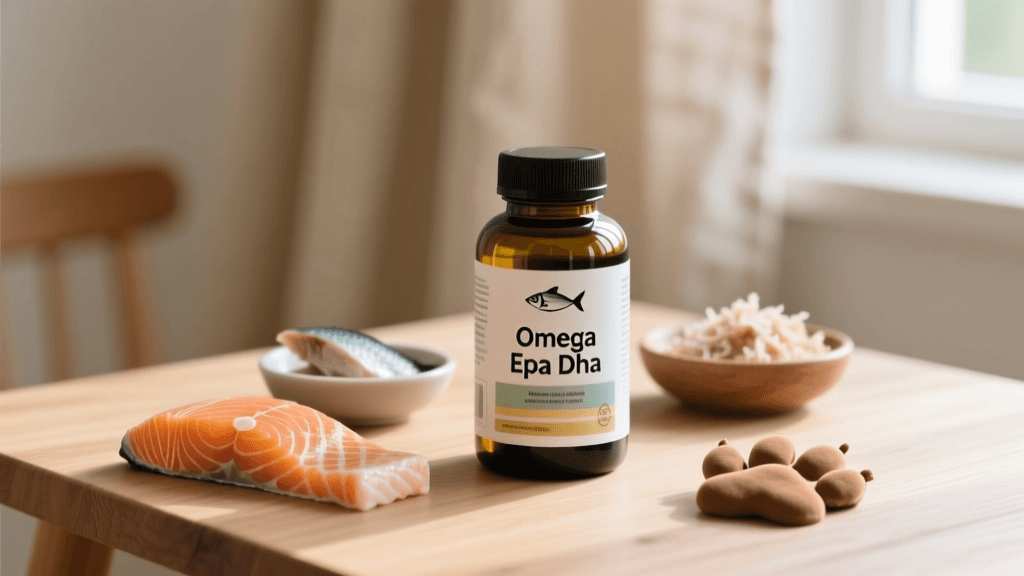
Due to missing molars, some Xolos struggle to crush hard, traditional kibble. In 2026, many veterinary nutritionists recommend a high-quality, soft-baked kibble or a balanced raw diet (with appropriate bone alternatives) to ensure proper caloric intake without causing dental fractures. When selecting a soft-baked kibble, look for formulations that include added EPA and DHA from marine sources, as these omega-3 fatty acids are critical for maintaining the skin's lipid barrier from the inside out. Avoid foods with high glycemic carbohydrates, which can trigger inflammatory responses and exacerbate canine acne. Additionally, incorporate Veterinary Oral Health Council (VOHC) approved water additives and soft dental chews that do not require heavy mastication, ensuring the gums are stimulated and plaque is reduced without stressing the shallow tooth roots.
Temperature Regulation and Environmental Comfort
Lacking a fur coat, the Xoloitzcuintli cannot regulate its body temperature as efficiently as other breeds. They are highly sensitive to both cold and extreme heat.
- Winter Care: When temperatures drop below 60°F (15°C), outfit your Xolo in a well-fitted, breathable canine sweater or fleece coat. Indoor heating can also dry out their skin, so running a humidifier in the rooms where your dog sleeps is highly recommended.
- Summer Care: While they love the sun, they can overheat rapidly. Provide access to cooling mats and ensure constant access to fresh, filtered water. Avoid walking them on hot asphalt, as their exposed paw pads and thin belly skin can suffer severe burns.
For indoor environments, invest in orthopedic beds with removable, washable covers made from breathable cotton or bamboo fibers. Synthetic fabrics like polyester can trap heat and cause friction, leading to contact dermatitis on the Xolo's sensitive belly and joints. During the winter months, consider canine-safe heating pads that operate on low voltage and feature automatic shut-off timers to prevent accidental burns.
Structured Health & Wellness Schedule (2026)
To maintain optimal health, establish a consistent routine. The following table outlines the recommended care schedule for a hairless Xoloitzcuintli.
| Frequency | Skincare Task | Dental & Health Task |
|---|---|---|
| Daily | Spot clean with a damp cloth; apply dog-safe sunscreen before outdoor activities. | Brush teeth with enzymatic toothpaste; add VOHC-approved water additive. |
| Weekly | Bathe with pH-balanced hypoallergenic shampoo; inspect skin for acne or sun damage. | Inspect gums for redness; check remaining teeth for mobility. |
| Monthly | Gentle silicone exfoliation; apply ceramide barrier spray post-bath. | Administer heartworm and flea/tick preventatives (oral or topical). |
| Annually | Comprehensive veterinary dermatology check-up. | Professional dental scaling and polishing under anesthesia; full blood panel. |
Conclusion
Owning a Xoloitzcuintli is a deeply rewarding experience, but it demands a proactive approach to health and wellbeing. By embracing the specialized skincare routines, stringent dental hygiene protocols, and environmental management strategies outlined above, you can ensure your exotic companion thrives in 2026 and beyond. Remember that preventive care is always more effective and less costly than treating advanced dermatological or periodontal diseases. Partner closely with a veterinarian who understands the unique physiological nuances of hairless breeds to provide your Xolo with the longest, healthiest life possible.
robin-maitland
All our authors care for dogs every day — read more of their work on the authors page.