Omega-3 for Dogs: EPA vs DHA Benefits and Dosing Guide
Discover the differences between EPA and DHA for dogs. Learn exact dosing, benefits for joints and brain health, and how to choose the right fish oil.
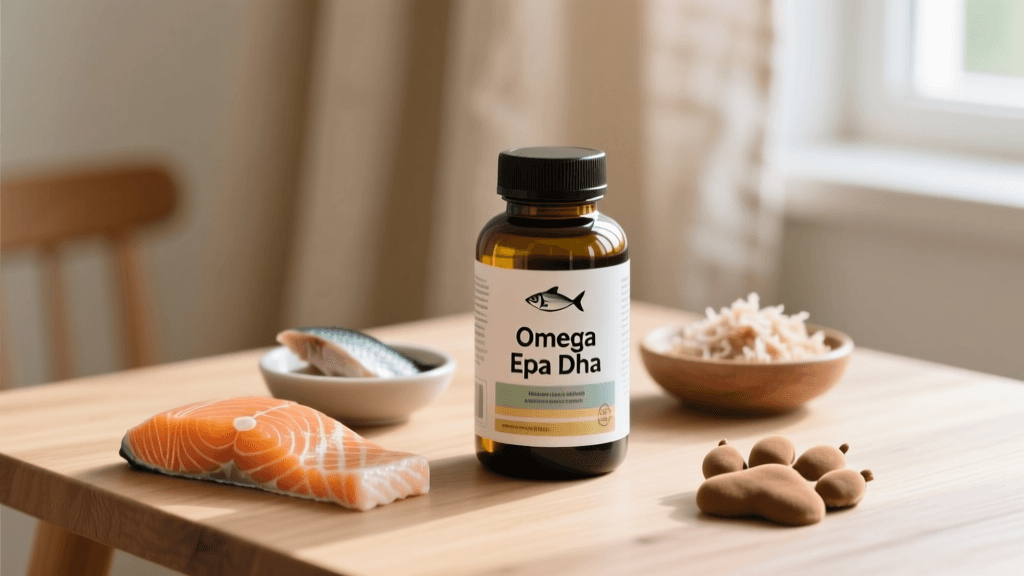
The Ultimate Deep Dive: Omega-3 Fatty Acids for Canine Health
When it comes to canine nutrition, few supplements have garnered as much widespread acclaim from veterinarians and pet owners alike as Omega-3 fatty acids. However, simply tossing a generic fish oil capsule into your dog's food bowl is not enough to guarantee optimal health outcomes. To truly harness the power of these essential fats, owners must understand the critical biochemical differences between Eicosapentaenoic Acid (EPA) and Docosahexaenoic Acid (DHA), how they interact with canine physiology, and the precise dosing required to achieve therapeutic results.
In this comprehensive deep dive, we will move beyond the basic 'fish oil is good for the coat' narrative. We will explore the specific joint, cognitive, and cellular benefits of EPA and DHA, provide exact mathematical dosing guidelines based on metabolic body weight, and teach you how to read supplement labels like a veterinary nutritionist.
The Biochemistry: Why Plant-Based Omega-3s Fail Dogs
Before comparing EPA and DHA, it is vital to address a common misconception regarding Alpha-Linolenic Acid (ALA). ALA is the plant-based Omega-3 found in flaxseed, chia seeds, and walnuts. While humans possess the enzymes necessary to convert ALA into the highly bioavailable EPA and DHA, dogs are remarkably inefficient at this conversion process.
Canines lack sufficient levels of the enzyme delta-6-desaturase, which is required to break down ALA. Consequently, feeding your dog flaxseed oil will yield virtually zero therapeutic EPA or DHA. For meaningful health benefits, you must source marine-based Omega-3s derived from wild-caught cold-water fish, krill, or marine algae, which provide pre-formed EPA and DHA that the canine body can immediately utilize.
Eicosapentaenoic Acid (EPA): The Inflammation Modulator
EPA is primarily responsible for modulating the inflammatory response at the cellular level. When a dog suffers from osteoarthritis, allergic dermatitis, or inflammatory bowel disease (IBD), their body produces pro-inflammatory cytokines. EPA competes with arachidonic acid (an Omega-6 fatty acid) for the same enzymatic pathways, ultimately reducing the production of inflammatory prostaglandins and leukotrienes.
Primary EPA Benefits:
- Joint Health: Reduces cartilage degradation and alleviates pain in dogs with osteoarthritis.
- Skin and Coat: Mitigates severe itching and inflammation associated atopic dermatitis and flea allergy reactions.
- Cardiovascular Support: Helps prevent cachexia (muscle wasting) in dogs with congestive heart failure.
Docosahexaenoic Acid (DHA): The Brain and Eye Builder
While EPA manages systemic inflammation, DHA is a structural component of the brain, retina, and nervous system. DHA is absolutely critical during the developmental stages of a puppy's life, but its importance does not end in adulthood. In senior dogs, DHA plays a pivotal role in slowing the progression of Canine Cognitive Dysfunction (CCD), the canine equivalent of Alzheimer's disease.
Primary DHA Benefits:
- Puppy Development: Enhances retinal development and improves trainability and memory retention in puppies.
- Senior Cognitive Health: Supports neural pathway integrity and reduces oxidative stress in the aging brain.
- Neurological Support: Often recommended as an adjunct therapy for dogs with seizure disorders or neuropathy.
Comparison Chart: EPA vs. DHA in Canine Nutrition
| Feature | EPA (Eicosapentaenoic Acid) | DHA (Docosahexaenoic Acid) |
|---|---|---|
| Primary Function | Cellular inflammation regulation | Structural brain and eye support |
| Best For | Arthritis, allergies, heart disease | Puppies, senior dogs, cognitive decline |
| Target Tissues | Joints, skin, immune system | Brain, retina, nervous system |
| Ideal Life Stage | Adult and Senior | Puppy and Senior |
Actionable Dosing Guidelines: The Metabolic Body Weight Method
One of the most frequent errors owners make is under-dosing Omega-3s based on generic 'pump per pound' recommendations found on cheap supplement bottles. Veterinary dermatologists and oncologists calculate therapeutic doses based on Metabolic Body Weight (MBW), not just total body weight. The formula for MBW is: Body Weight in kg raised to the power of 0.75 (kg^0.75).
For general health maintenance, a combined EPA/DHA dose of 50 to 75 mg per kg of MBW is sufficient. However, for therapeutic intervention (e.g., severe osteoarthritis or chronic allergies), the Tufts University Clinical Nutrition Service and veterinary literature suggest doses ranging from 100 mg to over 300 mg per kg of MBW.
Quick Reference Dosing Chart (Therapeutic Joint/Allergy Dose)
Below is a simplified chart for a therapeutic dose targeting roughly 130 mg of combined EPA/DHA per kg of metabolic body weight. Always consult your veterinarian before starting high-dose regimens, as Omega-3s can have mild blood-thinning effects.
- 20 lb Dog (9 kg): Requires approx. 600 mg combined EPA/DHA daily.
- 40 lb Dog (18 kg): Requires approx. 1,000 mg combined EPA/DHA daily.
- 60 lb Dog (27 kg): Requires approx. 1,350 mg combined EPA/DHA daily.
- 80 lb Dog (36 kg): Requires approx. 1,700 mg combined EPA/DHA daily.
Pro Tip: Always read the back label of the supplement. A bottle may boast '1,000 mg of Fish Oil' on the front, but the nutritional panel might reveal it only contains 150 mg of actual EPA and DHA. You are dosing for the EPA/DHA content, not the total oil volume.
How to Choose the Right Supplement: Forms, Costs, and Quality
The market is flooded with canine fish oils, but they are not created equal. The bioavailability of the oil depends heavily on its molecular form.
1. Triglyceride (TG) vs. Ethyl Ester (EE) Forms
Natural fish oil comes in the triglyceride (TG) form. Many cheaper manufacturers process the oil into an ethyl ester (EE) form to concentrate it and remove heavy metals, but this synthetic form is significantly harder for a dog's digestive enzymes to break down and absorb. Always look for products that explicitly state they are in the natural triglyceride form or have been 're-esterified' back to TG form for maximum bioavailability.
2. Product Recommendations and Cost Analysis
Based on veterinary recommendations and third-party testing for heavy metals and oxidation levels, here are two highly regarded options:
- Nordic Naturals Omega-3 Pet (Liquid): This product is derived from wild anchovies and sardines, processed in the TG form, and comes with a pump for easy dosing. An 8 oz bottle costs roughly $25 and yields about 45 pumps (1500mg Omega-3 per pump). For a 40 lb dog requiring 1,000mg daily, this bottle will last about two months, costing roughly $12.50 per month.
- Grizzly Salmon Plus (Liquid): A blend of wild Alaskan salmon and pollock. A 16 oz bottle costs around $18 and provides about 90 pumps. This is a highly cost-effective option for multi-dog households or giant breeds, bringing the monthly cost for a 40 lb dog down to approximately $6.00 per month.
When purchasing, look for the Marine Stewardship Council (MSC) certification to ensure the fish were sustainably harvested, protecting ocean ecosystems while supporting your dog's health.
Crucial Storage and Safety Warnings
Omega-3 fatty acids are highly unstable and prone to oxidation. When fish oil oxidizes, it turns rancid, producing lipid peroxides that actually increase cellular inflammation and oxidative stress—the exact opposite of your goal.
To prevent this, adhere to the following storage rules:
- Avoid Clear Bottles: Light accelerates oxidation. Only buy fish oil packaged in dark, opaque, or UV-protected bottles.
- Refrigerate After Opening: While some manufacturers claim their oil is shelf-stable, keeping liquid fish oil in the refrigerator drastically slows the oxidation process.
- The Sniff Test: Fresh fish oil should smell mildly of the ocean or have no scent at all. If the oil smells strongly of rotting fish, paint, or old pennies, it has oxidized. Throw it away immediately.
- Pump vs. Squeeze: Pump bottles introduce less ambient oxygen into the liquid compared to squeeze bottles, extending the shelf life of the product.
Furthermore, the American Kennel Club warns against giving human fish oil gummies to dogs. Many human gummies contain artificial sweeteners like Xylitol (birch sugar), which is highly toxic and potentially fatal to canines, causing rapid hypoglycemia and liver failure.
Integrating Omega-3s into a Holistic Wellness Plan
While EPA and DHA are powerful tools, they are not standalone cures. They work best as part of a comprehensive wellness strategy that includes a balanced, WSAVA-compliant diet, appropriate weight management, and regular veterinary check-ups. Excess body fat produces its own inflammatory cytokines, which can easily overpower the anti-inflammatory benefits of even the highest doses of fish oil. Therefore, keeping your dog at a lean, ideal body condition score (BCS) is the first step in maximizing the efficacy of your Omega-3 supplementation.
Conclusion
Understanding the distinct roles of EPA and DHA transforms fish oil from a generic supplement into a targeted therapeutic tool. By calculating doses based on metabolic body weight, selecting triglyceride-form oils from sustainable sources, and rigorously protecting the product from oxidation, you can profoundly impact your dog's joint mobility, cognitive sharpness, and overall vitality. Take the time to read the label, do the math, and invest in quality—your dog's long-term health will reflect the effort.
jonas-cole
All our authors care for dogs every day — read more of their work on the authors page.