Diagnosing and Treating Canine Osteoarthritis Pain
Learn how to diagnose canine osteoarthritis early and explore effective solutions, from NSAIDs to joint supplements, to restore your dog's mobility.
The Hidden Epidemic: Understanding Canine Osteoarthritis
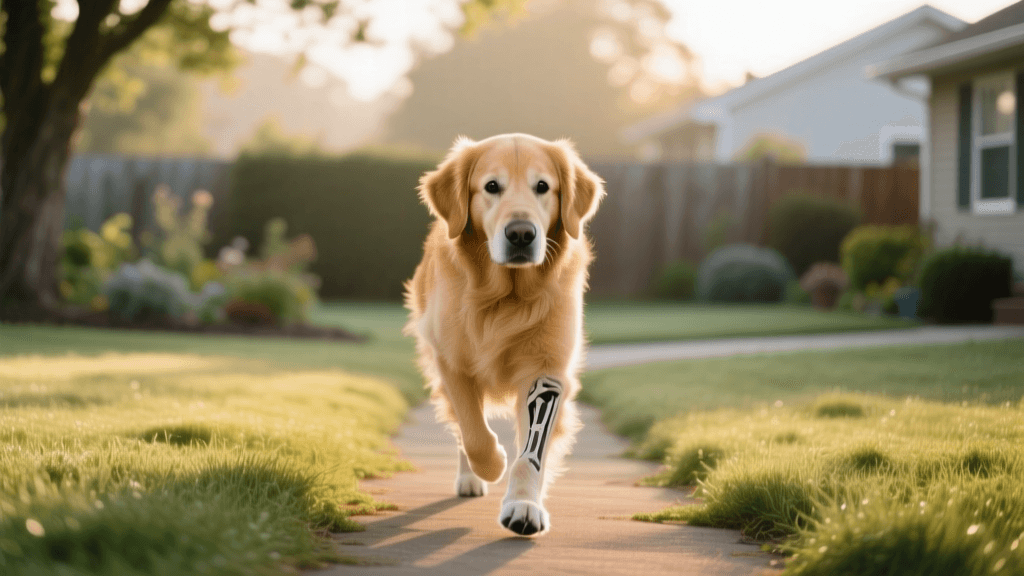
Osteoarthritis (OA), also known as degenerative joint disease, is a progressive, debilitating condition that affects the cartilage, synovial fluid, and underlying bone of a dog's joints. It is estimated that up to 20% of adult dogs and over 80% of senior dogs suffer from this painful condition. Unlike humans, dogs are masters at masking pain, an evolutionary trait that often delays diagnosis until the disease has significantly progressed. As a responsible pet owner, understanding the subtle problem indicators and implementing a multi-modal solution strategy is critical for preserving your dog's quality of life. According to the American Kennel Club, early intervention is the most effective way to slow the progression of joint degeneration and manage chronic pain effectively.
Problem Diagnosis: Spotting the Subtle Signs of Joint Pain
The first step in solving the osteoarthritis problem is accurate and early diagnosis. Because dogs rarely vocalize chronic joint pain through whining or crying, owners must become detectives, observing changes in daily routines, posture, and behavior. The problem often manifests not as an obvious limp, but as a gradual reluctance to perform previously enjoyed activities.
At-Home Mobility and Behavioral Assessments
Begin by monitoring your dog for the following subtle diagnostic clues:
- Stiffness after rest: Noticeable difficulty rising from a lying position, especially in the morning or after a long nap, which temporarily improves with mild movement.
- Activity aversion: Reluctance to jump into the car, climb stairs, or engage in prolonged play sessions.
- Postural changes: A 'bunny-hopping' gait in the hind legs, shifting weight to the front limbs, or a hunched back.
- Behavioral shifts: Increased irritability, licking or chewing at specific joints, hiding, or a sudden aversion to being petted in certain areas.
- Muscle atrophy: Visible thinning of the thigh muscles (quadriceps and hamstrings) due to decreased use of the affected hind limbs.
Veterinary Diagnostic Procedures
If you observe any of the above signs, a comprehensive veterinary examination is mandatory. The Cornell University College of Veterinary Medicine emphasizes that a thorough orthopedic exam is the cornerstone of diagnosis. Your veterinarian will perform joint manipulation to assess the range of motion, detect joint swelling (effusion), and listen for crepitus (a grating sound caused by bone rubbing on bone). To confirm the diagnosis and rule out other orthopedic issues like cruciate ligament tears or bone cancer, sedated radiographs (X-rays) are typically required. Radiographs will reveal hallmark signs of OA, including osteophytes (bone spurs), subchondral bone sclerosis, and narrowed joint spaces.
Solutions: A Multi-Modal Approach to Joint Health
There is no cure for canine osteoarthritis, but the problem can be effectively managed. The most successful treatment plans utilize a multi-modal approach, combining weight management, pharmaceuticals, nutraceuticals, and environmental modifications. This strategy targets pain from multiple physiological pathways, reducing the reliance on any single medication and minimizing potential side effects.
1. Weight Management and Targeted Nutrition
Excess body weight is both a primary cause and a severe aggravator of osteoarthritis. Every extra pound places exponential stress on compromised joints. The first and most crucial solution is achieving an ideal Body Condition Score (BCS) of 4 or 5 on a 9-point scale. This means your dog's ribs should be easily palpable without a thick fat covering, and they should have a visible abdominal tuck. For dogs requiring weight loss, prescription joint-support diets, such as Hill's Prescription Diet j/d or Royal Canin Mobility Support, are formulated with high levels of EPA (an Omega-3 fatty acid) and targeted antioxidants to reduce joint inflammation while maintaining lean muscle mass. Portion control using a standard measuring cup and eliminating high-calorie treats are non-negotiable steps in this phase.
2. Pharmaceutical Interventions
When weight management and supplements are insufficient to control pain, veterinary-prescribed medications become necessary. The World Small Animal Veterinary Association (WSAVA) Global Pain Council recommends a tiered approach to analgesia.
- NSAIDs (Non-Steroidal Anti-Inflammatory Drugs): Medications like Carprofen (Rimadyl) or Meloxicam (Metacam) are the first line of defense. They work by inhibiting COX enzymes to reduce inflammation. Typical Carprofen dosing is 2 mg/lb once daily. Monthly costs range from $30 to $90 depending on the dog's size. Routine blood work every 6 months is required to monitor liver and kidney function.
- EP4 Receptor Antagonists: Grapiprant (Galliprant) is a newer, targeted medication that blocks the specific prostaglandin (PGE2) responsible for joint pain and inflammation, sparing the gastrointestinal and renal systems. It is dosed at 0.9 mg/lb once daily and is an excellent solution for dogs with mild kidney disease who cannot tolerate traditional NSAIDs.
- Polysulfated Glycosaminoglycan (PSGAG) Injections: Adequan Canine is an intramuscular injection that inhibits cartilage-degrading enzymes and stimulates the synthesis of new cartilage matrix. The loading protocol requires injections twice weekly for four weeks (approximately $60-$100 per vial), followed by monthly maintenance doses.
3. Nutraceuticals and Joint Supplements
Over-the-counter joint supplements are a vital component of long-term OA management. However, the supplement market is largely unregulated, making it imperative to choose products backed by clinical trials and carrying the National Animal Supplement Council (NASC) seal of approval.
| Active Ingredient | Top Product Examples | Mechanism of Action | Estimated Monthly Cost (50lb Dog) | Time to Noticeable Effect |
|---|---|---|---|---|
| Glucosamine HCl & Chondroitin Sulfate | Cosequin DS, Dasuquin | Provides building blocks for cartilage repair and inhibits degradative enzymes. | $40 - $60 | 4 to 6 weeks |
| Avocado/Soybean Unsaponifiables (ASU) | Dasuquin Advanced | Reduces inflammatory cytokines and protects existing cartilage matrix. | $65 - $85 | 3 to 5 weeks |
| Omega-3 Fatty Acids (EPA/DHA) | Nordic Naturals Omega-3, Welactin | Competes with Omega-6s to reduce systemic and joint-specific inflammation. | $25 - $45 | 6 to 8 weeks |
| Green Lipped Mussel (GLM) | YuMOVE Senior Dog, Super Snouts | Provides a natural matrix of glycosaminoglycans and ETA (a potent anti-inflammatory). | $30 - $50 | 4 to 6 weeks |
For optimal results, combine a high-quality Glucosamine/ASU supplement with a dedicated fish oil pump to ensure your dog receives at least 300 mg of combined EPA/DHA per 10 pounds of body weight daily.
4. Physical Therapy and Environmental Modifications
Modifying your dog's environment reduces the daily mechanical stress on their joints. Invest in an orthopedic memory foam bed, such as the Big Barker Pillow Top Orthopedic Dog Bed ($200-$300), which is specifically engineered to prevent bottoming out and relieve pressure on the hips and shoulders. For vehicle entry and exit, use a sturdy ramp with an incline angle of no more than 18 to 20 degrees to prevent joint hyperextension.
Canine physical rehabilitation is another powerful solution. Hydrotherapy (underwater treadmill or swimming) provides cardiovascular exercise and muscle building without the concussive impact of gravity. At home, you can perform gentle passive range of motion (PROM) exercises, such as 'bicycle' movements with the hind legs for 5 minutes daily, and use non-slip yoga mats or Pawz gripper socks on hardwood floors to prevent dangerous slips and splay-legged falls.
Long-Term Monitoring and Quality of Life
Managing canine osteoarthritis is a marathon, not a sprint. The problem of joint degression will evolve as your dog ages, requiring you and your veterinarian to continuously adapt the solution strategy. Keep a daily mobility journal, noting your dog's stiffness levels, appetite, and enthusiasm for walks. Utilize standardized tools like the Liverpool Osteoarthritis in Dogs (LOAD) questionnaire to objectively track changes in mobility over time.
By combining vigilant at-home diagnosis with a comprehensive, multi-modal treatment plan encompassing weight control, targeted pharmaceuticals, clinically proven supplements, and environmental adaptations, you can significantly slow the progression of osteoarthritis. This proactive approach ensures your canine companion remains active, comfortable, and happy throughout their golden years.
robin-maitland
All our authors care for dogs every day — read more of their work on the authors page.