Dog Ear Infections: Diagnosis, Causes, and Fast Relief
Learn how to diagnose dog ear infections, identify the root cause, and apply effective treatments. Get practical relief tips and vet care advice.
Understanding the Problem: Why Dogs Get Ear Infections
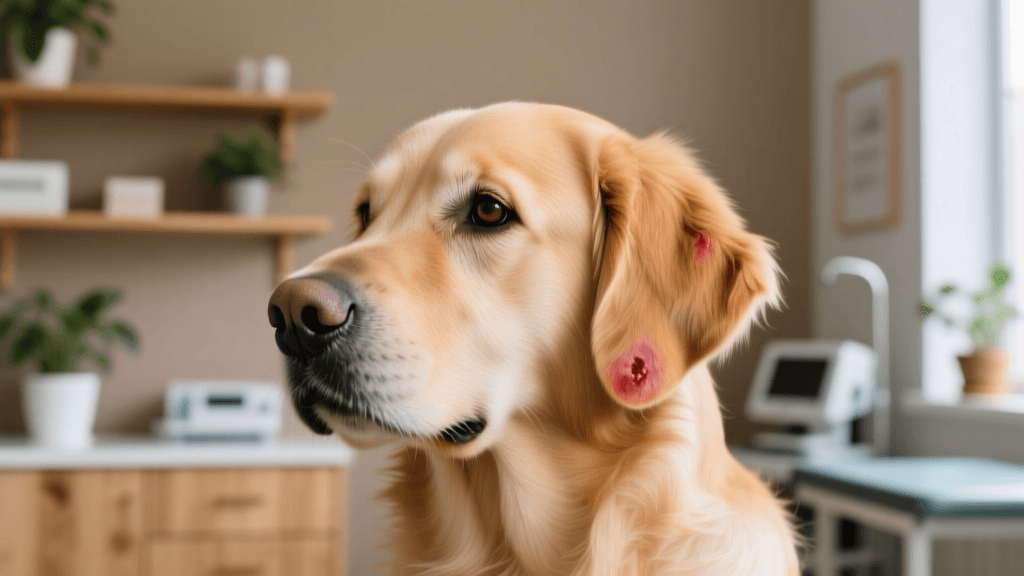
Canine otitis externa, commonly known as a dog ear infection, is one of the most frequent reasons pet owners visit the veterinarian. Unlike human ear canals, which are relatively straight and short, a dog's ear canal is uniquely shaped. It features a long vertical canal that travels down from the ear flap before making a sharp, 90-degree turn into the horizontal canal that leads to the eardrum (tympanic membrane). This distinct L-shape is an evolutionary trait, but it creates a perfect storm for health issues. The deep, dark, and warm environment of the canine ear canal easily traps moisture, debris, and wax, creating an ideal breeding ground for opportunistic microbes like yeast and bacteria.
When a dog is scratching their ears, shaking their head, or whining in discomfort, it is crucial to act quickly. Left untreated, a simple outer ear infection can progress to otitis media (middle ear infection) or even otitis interna (inner ear infection), which can cause severe neurological symptoms, including loss of balance, facial nerve paralysis, and permanent hearing loss. In this comprehensive guide, we will break down how to diagnose the problem at home, understand the underlying causes, and implement effective, actionable solutions to bring your dog fast relief.
How to Diagnose a Dog Ear Infection at Home
Before rushing to the clinic, you can perform a preliminary visual and olfactory inspection at home. Gently flip your dog's ear flap back and examine the inner pinna and the opening of the ear canal. Healthy dog ears should be pale pink, relatively clean, and free of any strong odors. If you notice any of the following clinical signs, an infection is highly likely:
- Visual Redness and Swelling: The skin inside the ear flap and canal appears inflamed, bright red, or thickened.
- Abnormal Discharge: Presence of brown, yellow, green, or black waxy or pus-like material.
- Foul Odor: A distinct, unpleasant smell. Yeast infections often smell sweet, musty, or like corn chips, while bacterial infections emit a sharp, rotten, or sour odor.
- Behavioral Changes: Excessive head shaking, pawing at the ears, rubbing the head against furniture, or vocalizing when the ear is touched.
- Crusting and Scabs: Often found on the tips of the ear flaps due to the trauma of vigorous head shaking and scratching.
Identifying the Culprit: Yeast, Bacteria, or Mites?
Not all ear infections are created equal. The treatment protocol varies drastically depending on the specific pathogen overgrowing in the ear canal. According to VCA Hospitals, veterinarians use ear cytology (swabbing the ear and examining it under a microscope) to identify the exact microbe. However, you can often narrow down the suspect based on the physical characteristics of the discharge and odor.
| Infection Type | Common Pathogens | Discharge Appearance | Odor Profile | Common Triggers |
|---|---|---|---|---|
| Yeast (Fungal) | Malassezia pachydermatis | Dark brown, waxy, or greasy | Sweet, musty, or 'corn chip' smell | Humidity, allergies, floppy ears |
| Bacterial | Staphylococcus, Pseudomonas | Yellow, green, or cloudy pus | Foul, sharp, or rotting odor | Moisture retention, foreign bodies |
| Ear Mites | Otodectes cynotis | Dry, dark brown/black crumbly | Mild or no distinct odor | Contagious contact (common in puppies) |
Veterinary Diagnosis and Expected Costs
While home observation is helpful, a professional veterinary diagnosis is mandatory for safe and effective treatment. Using over-the-counter drops without knowing if the eardrum is ruptured can cause irreversible deafness. The U.S. Food and Drug Administration (FDA) strongly advises against using leftover prescription ear medications, as applying the wrong medication can exacerbate the issue or lead to antimicrobial resistance.
When you visit the vet, expect the following diagnostic steps and associated costs (prices vary by region and clinic):
- Comprehensive Physical Exam ($50 - $90): The vet will check the entire body, as ear infections are often secondary to systemic issues like skin allergies.
- Otoscopic Exam ($30 - $50): Using an otoscope, the vet will look deep into the horizontal canal to check for foreign bodies (like foxtails), polyps, and to ensure the tympanic membrane (eardrum) is fully intact.
- Ear Cytology and Swab ($40 - $80): A sample of the debris is stained and viewed under a microscope to quantify yeast and bacteria levels.
- Prescription Medications ($25 - $120): Depending on the cytology results, the vet may prescribe topical drops like Surolan, Tresaderm, or a long-acting florfenicol/terbinafine/mometasone ointment like Osurnia.
- Total Estimated Initial Cost: $145 - $340.
Actionable Solutions: Step-by-Step Ear Cleaning
Proper ear cleaning is the cornerstone of both treating and preventing otitis externa. Medications cannot penetrate thick layers of wax and pus; the ear must be cleaned first. We recommend using a veterinary-approved, non-irritating ear cleanser with a drying agent, such as Virbac Epi-Otic Advanced Ear Cleanser or Zymox Ear Cleanser. Avoid using water, hydrogen peroxide, or alcohol, as these can cause severe tissue irritation and trap moisture.
The 6-Step Cleaning Protocol:
- Preparation: Gather your ear cleaner, cotton balls or gauze squares, and high-value treats. Perform this in an easy-to-clean area like a bathroom or outside.
- Positioning: Have your dog sit comfortably. Gently but firmly grasp the ear flap (pinna) and pull it straight up to straighten the L-shaped canal.
- Fill the Canal: Insert the tip of the ear cleaner directly into the vertical canal. Squeeze the bottle generously until you see the fluid pooling at the opening. Do not be shy; you need enough fluid to flush out debris.
- Massage the Base: Keep the ear flap pulled up and massage the base of the ear (just below the ear opening) for 20 to 30 seconds. You should hear a distinct 'squishing' sound. This breaks up wax and biofilms.
- The Shake: Step back and let your dog shake their head. This natural centrifugal force will expel the loosened debris and excess fluid from the deep horizontal canal.
- Wipe Away Debris: Use cotton balls or gauze to wipe out the visible inner ear flap and the opening of the canal. Never insert Q-tips (cotton swabs) into the ear canal, as this packs debris deeper and risks rupturing the eardrum.
Addressing the Root Cause: Allergies and Prevention
If your dog suffers from recurrent ear infections (more than two or three times a year), treating the infection is only a temporary band-aid. As noted by the American Kennel Club (AKC), the vast majority of chronic ear infections in dogs are secondary to underlying allergic skin disease. When a dog has allergies, the skin lining the ear canal becomes inflamed and produces excess wax, triggering the microbial overgrowth.
Veterinary Insight: 'If a dog is eating a diet containing a protein they are allergic to, such as chicken or beef, the inflammation will manifest in the skin and ears. Until the dietary allergy or environmental atopy is managed with hypoallergenic diets, Apoquel, or Cytopoint injections, the ear infections will continually return.'
Long-Term Preventive Measures:
- Routine Maintenance: Clean your dog's ears once every 1 to 2 weeks using a vet-approved cleanser, especially for predisposed breeds like Cocker Spaniels, Basset Hounds, and Poodles.
- Moisture Control: Always dry your dog's ears thoroughly after swimming or bathing. You can use a specific drying ear powder or a few drops of a drying ear cleanser immediately after water exposure to restore the ear's acidic pH.
- Hair Plucking Controversy: Historically, vets recommended plucking hair from the ear canals of Poodles and Bichons. Modern veterinary dermatologists now advise against routine plucking, as it causes micro-trauma and inflammation, which can actually cause an infection. Only pluck if specifically directed by your veterinarian due to severe matting.
- Allergy Testing: If infections persist, consult a veterinary dermatologist for intradermal skin testing or a strict 8-to-12 week hydrolyzed protein food trial to identify and eliminate the primary allergic trigger.
Conclusion
Dog ear infections are painful, frustrating, and potentially dangerous if mismanaged. By understanding the unique anatomy of the canine ear, accurately identifying the type of pathogen through veterinary cytology, and committing to a rigorous cleaning and allergy-management protocol, you can break the cycle of recurrent otitis externa. Always prioritize professional diagnosis over home remedies, and work closely with your veterinarian to ensure your dog's ears remain clean, dry, and comfortable for a lifetime of health and wellbeing.
jonas-cole
All our authors care for dogs every day — read more of their work on the authors page.