Xoloitzcuintli Health Guide 2026: Skin, Dental & Thermal Care
Discover essential 2026 health care tips for the Xoloitzcuintli. Learn about hairless skin routines, dental disease prevention, and thermal regulation.
The Unique Biology of the Xoloitzcuintli
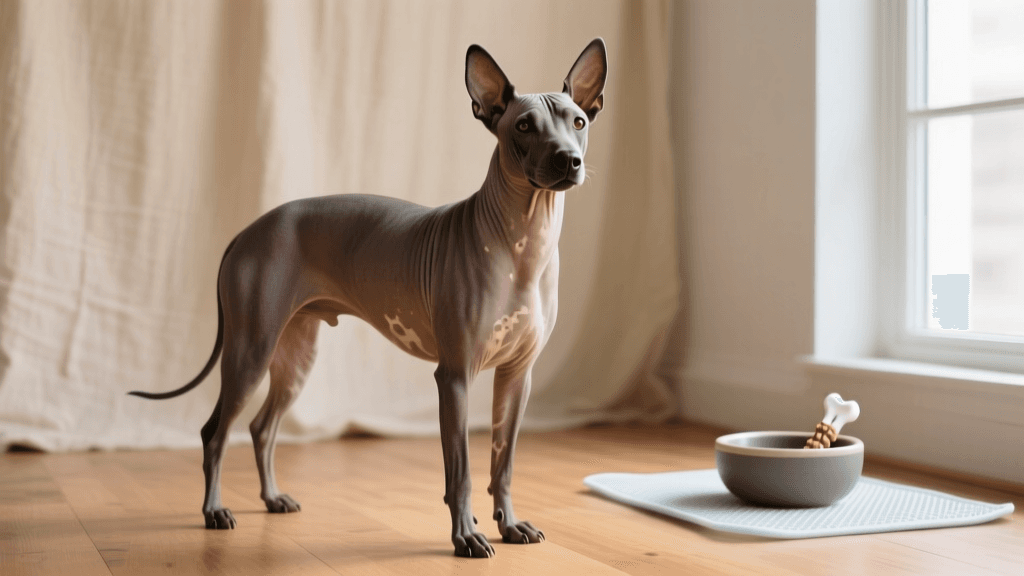
The Xoloitzcuintli, often affectionately called the Xolo, is one of the world's oldest and most exotic dog breeds. Revered by the Aztecs for their healing properties and spiritual significance, these dogs have seen a massive resurgence in popularity among exotic breed enthusiasts in 2026. However, owning a Xolo requires a highly specialized approach to canine health and wellbeing. According to the American Kennel Club, the breed's defining characteristics—most notably its hairlessness and unique genetic profile—dictate a care regimen that differs vastly from standard canine advice.
The hairless variety of the Xolo owes its lack of coat to a mutation in the FOXI3 gene. While this gives the breed its striking, elegant appearance, this exact same gene mutation is intrinsically linked to dental anomalies and compromised thermoregulation. As we navigate the veterinary landscape of 2026, understanding the triad of Xolo health—dermatological care, dental hygiene, and temperature management—is critical for ensuring your exotic companion thrives.
Dermatological Care: Managing Hairless Skin in 2026
Without a protective coat, the Xolo's skin is directly exposed to environmental irritants, UV radiation, and temperature fluctuations. The skin acts as their primary barrier, and maintaining its microbiome is a top priority for veterinary dermatologists this year.
Bathing and Exfoliation Routines
Hairless Xolos produce sebum just like coated dogs, but without fur to absorb it, the oils accumulate on the skin's surface. This can lead to clogged pores, canine acne, and secondary bacterial infections. In 2026, the consensus among experts is to avoid over-bathing, which strips the skin of natural, protective lipids.
- Bathing Frequency: Bathe your Xolo every 2 to 3 weeks using a soap-free, veterinary-formulated shampoo. Products containing chlorhexidine or phytosphingosine (such as the Douxo S3 PYO line) are highly recommended for maintaining the skin barrier.
- Exfoliation: Use a soft silicone grooming mitt during baths to gently dislodge dead skin cells. Never use harsh chemical exfoliants or human acne treatments, as canine skin has a different pH (typically around 6.2 to 7.4) and is highly susceptible to chemical burns.
- Moisturizing: Post-bath, apply a dog-safe, non-comedogenic moisturizer. Look for ingredients like colloidal oatmeal, aloe vera, and ceramides. Expect to spend around $25 to $35 for a premium, veterinary-grade canine moisturizer in 2026.
Sun Protection and Acne Management
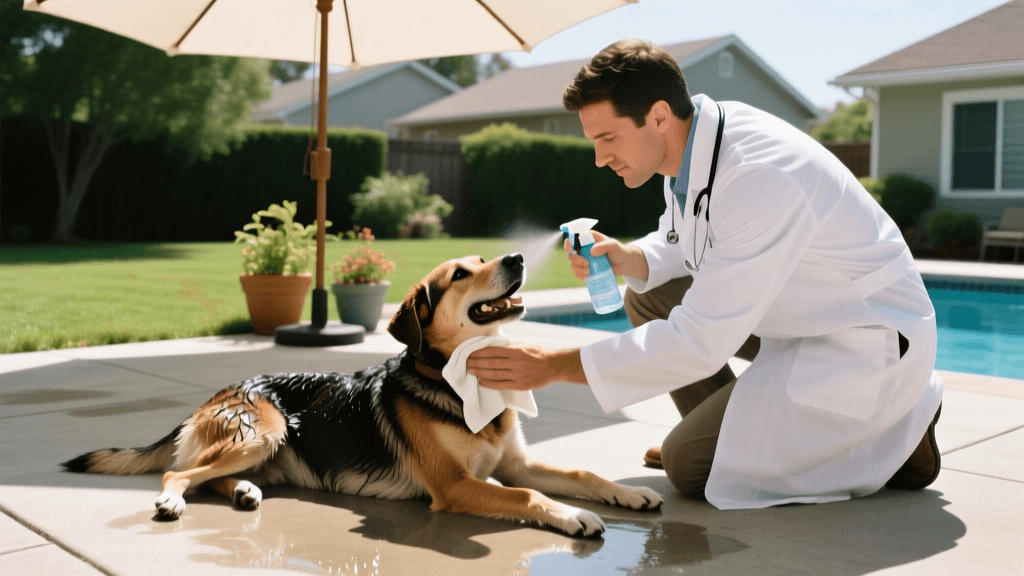
Sunburn is a severe risk for the hairless Xolo, potentially leading to solar dermatitis and squamous cell carcinoma. Before any outdoor exposure lasting longer than 15 minutes, apply a canine-specific sunscreen to all pink or lightly pigmented skin areas. Ensure the sunscreen is free of zinc oxide and PABA, which are toxic to dogs if ingested during grooming. For dogs prone to severe blackheads on their muzzle and back, a weekly wipe-down with veterinary-prescribed chlorhexidine pads can keep follicular keratinization in check.
Dental Health: Overcoming the FOXI3 Gene Mutation
The most significant health challenge for the hairless Xolo is dental disease. The FOXI3 gene responsible for hairlessness also disrupts normal tooth development. It is entirely common for a hairless Xolo to be missing several premolars and molars. While missing teeth do not impair their ability to eat, the teeth that are present are often misaligned, lack normal enamel thickness, and feature deep gingival pockets where plaque rapidly accumulates.
Daily Home Care Routines
Because of their genetic predisposition to early-onset periodontal disease, daily brushing is not optional for a Xolo; it is a medical necessity. The American Veterinary Dental College emphasizes that mechanical removal of plaque is the only proven method to prevent periodontal disease in high-risk breeds.
- Brushing Technique: Use a dual-head canine toothbrush and a veterinary enzymatic toothpaste (such as C.E.T. Poultry or Seafood flavors). Brush at a 45-degree angle to the gumline for a minimum of 60 seconds daily.
- Water Additives and Chews: While brushing is paramount, supplementing with VOHC (Veterinary Oral Health Council) approved water additives and dental chews can help reduce bacterial loads between brushings. Avoid hard nylon or bone chews, as the Xolo's compromised enamel is highly prone to slab fractures.
Professional Veterinary Interventions
Plan for professional dental cleanings under general anesthesia at least once a year, or bi-annually if your veterinarian detects rapid calculus buildup. In 2026, the average cost for a comprehensive veterinary dental cleaning, including full-mouth dental radiographs (which are mandatory for Xolos to check for hidden root abscesses), ranges from $800 to $1,400 depending on your geographic location and the clinic's specialized equipment.
Thermoregulation: Mastering Environmental Extremes
A dog's coat provides vital insulation against both cold and heat. Lacking this natural barrier, the Xolo struggles to maintain its core body temperature (normally between 101°F and 102.5°F). They are highly susceptible to hypothermia in the winter and heatstroke in the summer.
Winterizing Your Xolo
When ambient temperatures drop below 60°F (15°C), a hairless Xolo requires external insulation. Invest in a high-quality, insulated dog coat that covers the chest and abdomen. Brands like Hurtta and Ruffwear offer premium 2026 models featuring reflective trims and waterproof shells, typically priced between $80 and $120. For indoor comfort, provide self-warming thermal beds that utilize reflective Mylar layers to trap the dog's natural body heat.
Summer Cooling Strategies
Conversely, in the heat of summer, Xolos can overheat rapidly because they lack the fur that actually helps some breeds shade their skin from direct solar radiation. Limit outdoor exercise to early mornings or late evenings. Indoors, utilize pressure-activated cooling gel mats, which can lower the dog's surface temperature by several degrees. Always ensure access to shaded areas and fresh, circulating water when outdoors.
2026 Seasonal Care Matrix for Xolo Owners
To help you manage your Xolo's complex needs throughout the year, refer to this structured seasonal checklist:
| Season | Skin Care Focus | Dental Maintenance | Thermal Regulation |
|---|---|---|---|
| Spring | Increase bathing frequency to manage seasonal oil production; monitor for environmental allergies. | Schedule annual professional dental cleaning and full-mouth radiographs. | Transition from heavy winter coats to lightweight, UV-blocking sun shirts. |
| Summer | Apply dog-safe sunscreen daily; wipe down with cool, damp cloths after outdoor play. | Monitor for gum inflammation; increase water additive usage to combat dry-mouth panting. | Use indoor cooling mats; restrict outdoor exercise to before 8 AM and after 8 PM. |
| Fall | Introduce ceramide-rich moisturizers to combat dropping humidity and prevent skin flaking. | Step up daily brushing routines as diet shifts to richer autumn foods. | Begin layering with light fleece sweaters for evening walks. |
| Winter | Reduce bathing to once a month; use wipe-downs instead to preserve natural skin oils. | Inspect teeth weekly for micro-fractures, as dogs tend to chew harder indoor toys in winter. | Deploy insulated waterproof coats outdoors; utilize thermal Mylar beds indoors. |
Nutrition and Joint Support for the Exotic Sighthound
While skin, teeth, and temperature are the primary concerns, holistic wellbeing for the Xolo also encompasses nutrition and joint care. Xolos are athletic, agile dogs built for endurance. To support their lean muscle mass and promote a healthy skin barrier from the inside out, feed a high-protein, biologically appropriate diet rich in Omega-3 and Omega-6 fatty acids. In 2026, many owners are turning to fresh-food toppers containing wild-caught salmon oil and green-lipped mussel extract to naturally reduce systemic inflammation and support joint cartilage. Always consult with a veterinary nutritionist to ensure your exotic breed's specific micronutrient requirements are being met.
Conclusion
Owning a Xoloitzcuintli is a deeply rewarding experience that connects you to an ancient lineage of canine companions. However, their exotic biology demands a modern, proactive approach to healthcare. By committing to a rigorous dermatological routine, prioritizing aggressive dental prevention, and carefully managing their environmental temperature, you can ensure your Xolo lives a long, vibrant, and comfortable life well into the future.
robin-maitland
All our authors care for dogs every day — read more of their work on the authors page.