Dog Heatstroke: Emergency First Aid and Prevention Guide
Learn how to recognize, treat, and prevent dog heatstroke. Discover emergency first aid steps, cooling techniques, and vital safety tips for summer.
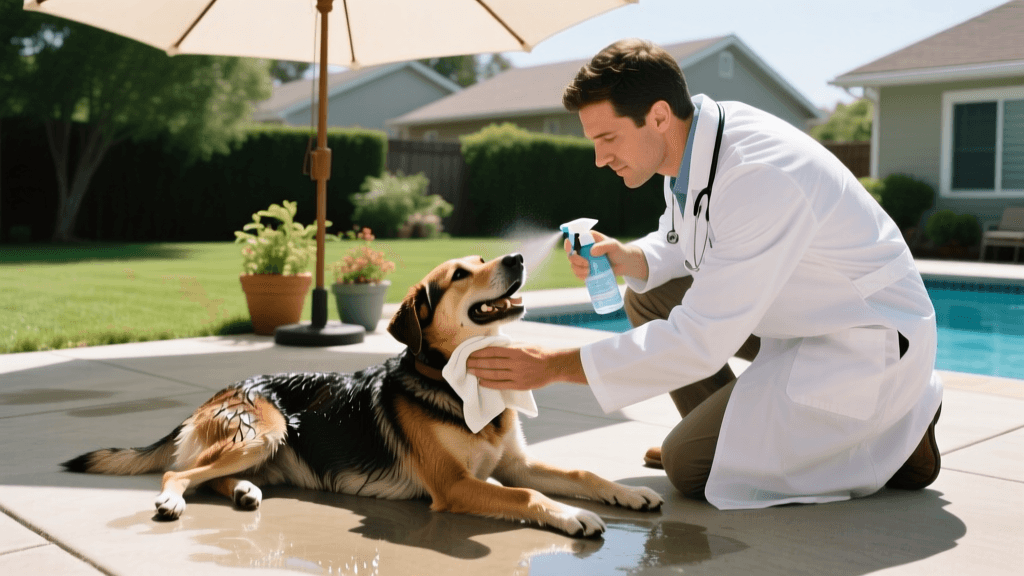
Understanding Canine Heatstroke: A Silent Summer Killer
As temperatures rise during the summer months, dog owners must remain vigilant against one of the most dangerous environmental threats to canine health: heatstroke. Unlike humans, who possess millions of sweat glands across their skin to regulate body temperature, dogs primarily rely on panting to dissipate heat. When a dog's environment exceeds their ability to cool themselves, their core body temperature rapidly spikes, leading to a life-threatening condition known as hyperthermia or heatstroke.
According to the American Kennel Club (AKC), a dog's normal body temperature ranges between 101°F and 102.5°F (38.3°C to 39.4°C). Once the core temperature surpasses 103°F (39.4°C), the dog enters the danger zone. If it reaches 106°F (41.1°C) or higher, cellular damage begins to occur, potentially leading to multi-organ failure, disseminated intravascular coagulation (DIC), and death within a matter of hours.
High-Risk Breeds and Environmental Factors
While any dog can suffer from heatstroke, certain breeds and physical characteristics drastically increase the risk. Brachycephalic (flat-faced) breeds such as French Bulldogs, Pugs, English Bulldogs, and Boston Terriers have compromised airways that make efficient panting nearly impossible in extreme heat. Additionally, senior dogs, overweight dogs, and those with underlying cardiovascular or respiratory conditions are highly susceptible. Environmental factors also play a massive role; high humidity severely limits the evaporation of moisture from a dog's respiratory tract, rendering panting highly ineffective.
Recognizing the Signs: Normal vs. Heatstroke
Early detection is the single most critical factor in surviving a heatstroke event. Pet owners must be able to differentiate between normal summer panting and the early stages of hyperthermia. The following table outlines the progression of symptoms based on core body temperature and clinical presentation, as outlined by VCA Animal Hospitals.
| Stage | Core Temperature | Heart Rate & Respiration | Key Clinical Symptoms |
|---|---|---|---|
| Normal | 101.0°F - 102.5°F | Normal panting, steady heart rate | Alert, responsive, moist gums, normal capillary refill time. |
| Mild/Moderate Heatstroke | 103.0°F - 105.0°F | Excessive, loud panting; elevated heart rate (tachycardia) | Thick, sticky saliva; bright red gums; restlessness; mild lethargy; seeking cool surfaces. |
| Severe Heatstroke | 105.0°F - 108.0°F+ | Rapid, shallow breathing; irregular heart rhythm | Vomiting (often with blood); diarrhea; pale or blue gums; staggering; collapse; seizures; coma. |
Emergency First Aid: The Step-by-Step Cooling Protocol
If you suspect your dog is suffering from heatstroke, immediate action is required before and during transport to the nearest veterinary emergency clinic. Time is of the essence. Follow this precise, actionable cooling protocol:
Step 1: Relocate to a Cooled Environment
Immediately move the dog out of direct sunlight and into an air-conditioned building or a shaded, well-ventilated area. Turn on the car's air conditioning to the maximum setting during transport.
Step 2: Apply Cool (Not Cold) Water
Use a hose, sponge, or wet cloths to apply cool or lukewarm water to the dog's body. Focus heavily on areas with minimal fur and high blood flow: the paw pads, the armpits, the groin, and the belly. Never use ice-cold water. Cold water causes peripheral blood vessels to constrict (vasoconstriction), which traps the dangerous heat inside the dog's core organs and prevents it from escaping.
Step 3: Maximize Airflow
Water alone is not enough; evaporation is the key to cooling. Place the dog directly in front of a fan or the car's AC vents. The moving air accelerates evaporation, pulling heat away from the skin much faster than water alone.
Step 4: Offer Small Sips of Water
If the dog is conscious and able to swallow, offer small amounts of cool (not freezing) water. Do not force water into the mouth of an unresponsive or heavily panting dog, as this can lead to aspiration pneumonia.
Step 5: Monitor and Stop Cooling at 103°F
If you have a digital rectal thermometer, monitor the dog's temperature every five minutes. Stop all active cooling measures once the dog's temperature reaches 103°F (39.4°C). The body will continue to cool on its own, and over-cooling can lead to a dangerous state of rebound hypothermia.
Critical Mistakes to Avoid
- Do NOT use ice baths: As mentioned, ice shocks the system and traps internal heat.
- Do NOT cover the dog with wet towels: Wet towels act as an insulating layer, trapping the heat and humidity against the dog's skin. If you must use a towel, ensure it is constantly being removed, re-wetted with cool water, and reapplied to allow for airflow.
- Do NOT leave the dog unattended: Heatstroke can cause sudden neurological collapse or seizures.
Veterinary Intervention and Expected Costs
Even if your dog appears to recover after first aid, a veterinary examination is non-negotiable. Heatstroke causes systemic inflammation and microscopic damage to the kidneys, liver, and gastrointestinal tract that may not present symptoms for 24 to 72 hours.
According to the ASPCA, veterinary treatment typically involves aggressive intravenous (IV) fluid therapy to support blood pressure and organ perfusion, oxygen supplementation, and continuous temperature monitoring. Blood work is required to check for elevated liver enzymes, kidney damage, and clotting disorders like DIC.
Estimated Emergency Veterinary Costs
- Initial Emergency Exam & Triage: $150 - $300
- IV Fluid Therapy & Hospitalization (24-48 hours): $500 - $1,500
- Bloodwork & Organ Panel: $200 - $400
- Total Estimated Cost: $850 - $2,200+ (Costs can exceed $4,000 if plasma transfusions are needed for DIC).
Proactive Prevention and Gear Recommendations
The best treatment for heatstroke is strict prevention. Understanding how to manage your dog's environment and utilizing specialized cooling gear can keep your pet safe during the hottest months of the year.
The 7-Second Pavement Test
Asphalt and concrete absorb and radiate massive amounts of heat. On an 85°F day, asphalt in direct sunlight can reach 135°F—hot enough to destroy skin tissue in seconds and rapidly elevate a dog's core temperature through their paw pads. Before walking your dog, place the back of your hand firmly on the pavement for 7 seconds. If it is too hot for your hand, it is too hot for your dog's paws. Stick to grass, dirt trails, or walk exclusively during the early morning and late evening.
Top Cooling Products for Dogs
Investing in specialized gear can provide an extra layer of safety for dogs that spend time outdoors. Here are three highly rated, actionable product recommendations:
- Ruffwear Swamp Cooler Vest (Approx. $70 - $80): This vest utilizes evaporative cooling technology. You soak the vest in cool water, wring it out, and strap it to your dog. The outer layer reflects solar radiation, while the middle layer absorbs and stores water, providing hours of cooling as the water slowly evaporates. Ideal for hiking and outdoor adventures.
- Kurgo Core Cooling Vest (Approx. $50 - $60): A more budget-friendly option that uses a similar wet-to-cool evaporation method. It features a V-neck design that allows for better shoulder movement, making it excellent for active, athletic breeds.
- The Green Pet Shop Cooling Mat (Approx. $25 - $40): This indoor/outdoor mat uses a pressure-activated, non-toxic gel that absorbs body heat. It requires no water, electricity, or refrigeration. It is perfect for placing in your dog's crate, on the floor of your home, or in the back of your SUV to provide a cool resting surface.
Final Thoughts on Summer Safety
Canine heatstroke is a terrifying and entirely preventable emergency. By understanding the physiological limitations of your dog, recognizing the subtle early warning signs of hyperthermia, and executing a rapid, scientifically sound cooling protocol, you can save your dog's life. Always prioritize shade, hydration, and airflow, and never hesitate to seek emergency veterinary care at the first sign of distress. Your vigilance is your dog's best defense against the summer heat.
hannah-wickes
All our authors care for dogs every day — read more of their work on the authors page.