Dog Gut Microbiome Testing: Viral Trend or Vet Essential?
Discover if viral dog gut microbiome testing is worth the cost. Compare top kits, understand results, and learn how to boost your pup's digestive health.
The TikTok Trend: Swabbing Your Dog's Poop
If you have spent any time on PetTok or Instagram Reels lately, you have likely seen the viral trend of pet parents unboxing 'gut microbiome test kits' for their dogs. Complete with sleek packaging, swabbing instructions, and detailed charts of bacterial strains, these at-home canine microbiome tests have taken the pet wellness world by storm. But behind the viral unboxing videos lies a serious question for dedicated dog owners: Is testing your dog's gut microbiome a legitimate veterinary breakthrough, or just another expensive wellness fad?
In this comprehensive guide, we break down the science of the canine gut microbiome, compare the most popular at-home testing kits, and provide actionable, evidence-based steps to optimize your dog's digestive and systemic health.
What Exactly is the Canine Gut Microbiome?
The gut microbiome refers to the trillions of microorganisms—primarily bacteria, but also fungi and viruses—that reside in your dog's gastrointestinal tract. According to the American Kennel Club (AKC), this complex ecosystem acts as a secondary immune system, influencing everything from nutrient absorption and stool quality to mood regulation and skin health.
When the balance of beneficial and harmful bacteria is disrupted—a condition known as dysbiosis—dogs can experience a cascade of health issues. Chronic diarrhea, environmental allergies, unexplained weight gain, and even anxiety have all been linked to poor gut health. The viral appeal of microbiome testing stems from the promise of identifying these exact imbalances and fixing them with precision nutrition rather than broad-spectrum antibiotics.
How At-Home Microbiome Testing Works
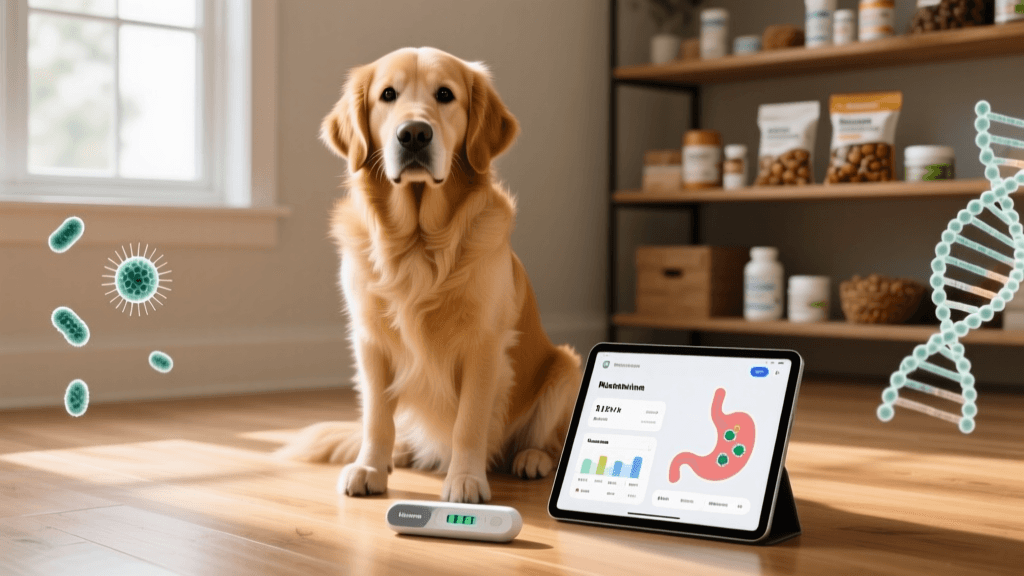
Unlike a standard veterinary fecal floatation test, which looks primarily for parasites and worms, microbiome testing utilizes advanced DNA sequencing (often 16S rRNA gene sequencing) to identify the specific bacterial populations living in your dog's colon. The process is simple:
- Collection: You use a sterile swab to collect a small sample from your dog's fresh stool.
- Preservation: The swab is placed in a specialized stabilization buffer that preserves the bacterial DNA at room temperature.
- Sequencing: You mail the sample to a laboratory, where scientists extract and sequence the DNA.
- Reporting: Within 3 to 5 weeks, you receive a digital dashboard comparing your dog's microbiome to a database of thousands of healthy dogs.
Top Dog Microbiome Test Kits Compared
Not all tests are created equal. While a standard vet visit focuses on pathogens, commercial kits focus on biodiversity and bacterial ratios. Here is how the leading options compare in terms of cost, technology, and actionable outcomes.
| Feature | AnimalBiome | DoggyBiome | Standard Vet Fecal Panel |
|---|---|---|---|
| Primary Goal | Bacterial diversity and gut flora balance | Bacterial diversity and functional pathways | Parasites, Giardia, and pathogens |
| Average Cost | $159.00 | $199.00 | $50.00 - $85.00 |
| Turnaround Time | 3 - 4 Weeks | 4 - 5 Weeks | 1 - 3 Days |
| Technology | 16S rRNA Sequencing | Shotgun Metagenomic Sequencing | Microscopy and ELISA Antigen |
| Action Plan | Custom probiotics and FMT capsules | Custom pre/probiotic blends | Dewormers and antibiotics |
Note: While at-home tests offer incredible insights into bacterial populations, they do not replace your veterinarian's fecal exams for detecting parasites. Both should be used in tandem for a complete picture of your dog's gastrointestinal health.
Actionable Steps: Fixing Your Dog's Gut Health
Whether you decide to invest $159 in a DNA test or simply want to proactively support your dog's digestion using evidence-based methods, the following protocols are highly effective. Always consult with your veterinarian before introducing new supplements, especially if your dog has a history of pancreatitis or inflammatory bowel disease (IBD).
1. Targeted Probiotic Supplementation
Not all probiotics survive the harsh, acidic environment of the canine stomach. When selecting a probiotic, look for specific, clinically researched strains rather than generic 'good bacteria' marketing. The World Small Animal Veterinary Association (WSAVA) emphasizes the importance of strain-specific efficacy.
- Enterococcus faecium (Strain SF68): Found in veterinary staples like Purina FortiFlora, this strain is proven to reduce the duration of acute diarrhea in dogs.
- Bifidobacterium animalis (Strain AHC7): Excellent for dogs with inflammatory bowel conditions and helps reduce intestinal inflammation.
- Saccharomyces boulardii: A beneficial yeast (not a bacterium) that is highly resistant to antibiotics. It is the gold standard for dogs undergoing antibiotic therapy to prevent secondary dysbiosis. Dosage: 5 billion CFU daily for medium-to-large dogs.
2. Fecal Microbiota Transplantation (FMT)
If a microbiome test reveals a severe lack of biodiversity, or if your dog is suffering from chronic, intractable GI issues, FMT may be recommended. FMT involves transferring carefully screened, healthy gut bacteria from a donor dog into the patient's GI tract. While traditionally done via enema in a clinical setting, companies like AnimalBiome now offer oral FMT capsules. These freeze-dried capsules contain the full spectrum of healthy canine gut microbes and are typically administered at a dose of 1 to 2 capsules daily for 30 to 60 days, costing around $60 per bottle.
3. Dietary Prebiotics and Fermented Foods
Probiotics are the 'seeds,' but prebiotics are the 'fertilizer.' Prebiotics are specific types of soluble fiber that feed beneficial bacteria, allowing them to produce short-chain fatty acids (SCFAs) like butyrate, which heal the gut lining.
- Canned Plain Pumpkin: Ensure it is 100% pure pumpkin puree (never pie filling). Dosage: 1 teaspoon per 10 lbs of body weight, twice daily.
- Inulin and Chicory Root: Often found in high-quality kibble and fresh food toppers, these fibers specifically boost Bifidobacteria populations.
- Goat Milk Kefir: A viral favorite in the raw-feeding community, plain, unsweetened goat milk kefir provides both natural probiotics and easily digestible prebiotics. Dosage: 1 tablespoon per 20 lbs of body weight as a meal topper.
4. A Warning on Raw Diets and Gut Health
A common viral trend that often accompanies microbiome discussions is the switch to raw meat diets to 'restore natural gut flora.' However, pet owners must be cautious. The U.S. Food and Drug Administration (FDA) warns that raw pet food diets carry a significantly higher risk of contamination with pathogens like Salmonella and Listeria. These pathogens can severely disrupt your dog's microbiome and pose a zoonotic risk to your human family. If your goal is gut health, gently cooked, balanced diets or high-quality commercial foods supplemented with targeted prebiotics are much safer alternatives.
Is the Viral Trend Worth the Cost?
So, should you buy into the viral microbiome testing trend? The answer depends entirely on your dog's current health status and your budget.
Who Should Test: If your dog suffers from chronic soft stools, recurrent ear infections, severe environmental allergies, or is recovering from a prolonged course of antibiotics, a microbiome test is an invaluable diagnostic tool. The $150 to $200 investment can save you hundreds of dollars in trial-and-error vet visits and ineffective medications by pinpointing the exact bacterial deficiencies.
Who Can Skip It: If your dog has firm stools, a shiny coat, high energy, and no history of gastrointestinal upset, routine DNA testing is likely unnecessary. You are better off spending that money on high-quality, WSAVA-approved nutrition and preventative veterinary care.
Final Verdict
The canine gut microbiome is not just a passing social media fad; it is a foundational pillar of modern veterinary science. While the flashy unboxing videos of at-home test kits have made the microbiome a viral sensation, the underlying science of dysbiosis, targeted probiotics, and FMT is here to stay. By understanding your dog's unique internal ecosystem and making targeted dietary adjustments, you can add years of vibrant health to your best friend's life.
beth-carrasco
All our authors care for dogs every day — read more of their work on the authors page.