Apartment Dog Mental Health: Beating Boredom & Noise Anxiety
Discover actionable strategies to boost your apartment dog's mental health, reduce noise anxiety, and prevent boredom with indoor enrichment and routines.
The Unique Mental Health Challenges of Apartment Dogs
Living in an urban high-rise or a compact apartment offers incredible convenience for owners, but it presents a unique set of psychological hurdles for dogs. Unlike their suburban counterparts with sprawling backyards, apartment dogs must navigate a world of shared walls, elevator encounters, and a relentless symphony of urban noise. According to veterinary behaviorists, the lack of environmental control and chronic exposure to unpredictable stimuli can lead to elevated cortisol levels, manifesting as noise reactivity, separation anxiety, and destructive boredom. Managing your dog's mental health in a high-density environment requires proactive strategies, specialized tools, and a deep understanding of canine stress triggers.
Understanding and Managing Urban Noise Anxiety
Cityscapes are never truly quiet. Sirens, construction drills, garbage trucks, and even the heavy footsteps of a neighbor in the hallway can trigger a dog's acoustic startle reflex. The Merck Veterinary Manual notes that noise phobias are among the most common behavioral issues in dogs, and the dense acoustics of apartment buildings can amplify these triggers. When a dog cannot escape a noise, they may resort to pacing, panting, whining, or excessive barking—which quickly leads to noise complaints and lease violations.
Creating a Sound-Dampened Safe Haven
You cannot eliminate city noise, but you can mask it and create a designated 'safe zone' for your dog.
- White Noise Machines: Invest in a high-quality white noise machine like the LectroFan Evo or the Hatch Restore. Place it near the window or the shared wall to create an acoustic buffer that masks sudden frequency spikes from the street or hallway. Keep the volume at a steady 60-70 decibels.
- Adaptil Diffusers: Plug in an Adaptil Calm Home Diffuser in your dog's primary resting area. This device releases synthetic dog-appeasing pheromones (DAP) that mimic the comforting scent of a nursing mother dog, clinically proven to reduce stress-related behaviors.
- Visual Barriers: If your dog reacts to movement outside the window, apply static-cling frosted window film to the bottom half of the glass. This allows natural light in while blocking the visual trigger of passing pedestrians or street dogs.
Indoor Enrichment: Tiring the Mind in Small Spaces
Physical exercise is vital, but mental enrichment is the secret weapon for apartment dwellers. A 20-minute sniffing and problem-solving session can burn as much energy as a mile-long walk. The American Kennel Club (AKC) emphasizes that mental stimulation prevents cognitive decline and reduces destructive behaviors born from under-stimulation.
Top Enrichment Tools for Small Spaces
- Snuffle Mats and Scent Work: Hide your dog's daily kibble ration in a high-density snuffle mat (like the Paw5 Wooly Snuffle Mat). Foraging taps into their primal scavenging instincts, slowing down their eating pace and providing deep mental fatigue.
- Lick Mats for Anxiety Relief: The repetitive action of licking releases endorphins in a dog's brain, acting as a natural self-soothing mechanism. Spread plain Greek yogurt, canned pumpkin (pure, no spices), or mashed bananas on a KONG Lickimat and freeze it for two hours. Serve this right before you leave the apartment or during a loud thunderstorm.
- Flirt Poles for High-Energy Breeds: If you have a terrier or herding breed in a small studio, a flirt pole (like the Outward Hound TailTeaser) allows you to simulate prey-chasing in a 10x10 foot living room space without risking damage to your furniture.
The Apartment Dog Daily Wellness Schedule
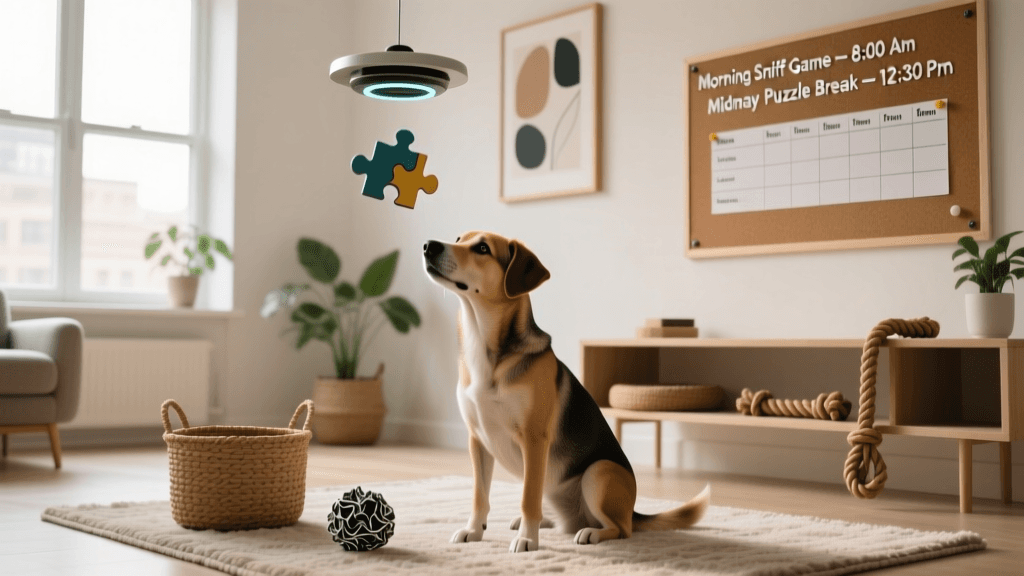
Consistency is the bedrock of canine mental health. Dogs thrive on predictable routines, which lower their baseline anxiety. Below is a structured daily schedule designed to balance physical output, mental enrichment, and decompression for an apartment dog.
| Time of Day | Activity Type | Specific Action & Duration | Mental/Physical Benefit |
|---|---|---|---|
| 7:00 AM | Physical & Potty | 20-minute sniffari walk in a local park or quiet urban street. | Decompression, olfactory stimulation, elimination. |
| 8:30 AM | Mental Enrichment | Breakfast fed exclusively via a puzzle toy or frozen KONG. | Prevents separation anxiety upon owner's departure. |
| 12:30 PM | Physical Break | 15-minute mid-day potty break (via dog walker or owner). | Prevents indoor accidents, breaks up long isolation periods. |
| 5:30 PM | Active Training | 10 minutes of trick training (e.g., 'place', 'touch', shaping). | Builds confidence, strengthens the human-animal bond. |
| 8:00 PM | Wind Down | Chewing session on a bully stick or yak cheese chew. | Chewing lowers heart rate and promotes sleep readiness. |
Addressing Separation Anxiety in High-Density Housing
In an apartment, separation anxiety isn't just a welfare issue for your dog; it's a liability regarding your neighbors and your lease. The ASPCA outlines that dogs with separation anxiety often exhibit distress behaviors within minutes of their owner's departure. In a shared-wall environment, vocalization (howling, barking) and door-scratching are highly problematic.
Actionable Desensitization Protocols
To combat this, you must desensitize your dog to your 'departure cues.' Dogs are highly observant and recognize the sequence of picking up keys, putting on shoes, and grabbing a coat.
- Scramble the Cues: Throughout the weekend, put on your coat and shoes, then sit down and watch TV. Pick up your keys, then go to the kitchen and make a coffee. This breaks the associative panic linked to these items.
- Micro-Departures: Step out of your apartment door, lock it, and immediately step back inside before your dog can react. Gradually increase this time from 1 second to 5 seconds, then 30 seconds, over several weeks.
- Camera Monitoring: Use a pet camera like the Furbo or Wyze Cam to monitor your dog's baseline stress levels. If your dog is pacing and panting the entire time you are gone, they require professional intervention from a certified veterinary behaviorist, not just a quick fix.
Balcony Safety and Indoor Potty Alternatives
Many urban apartments feature balconies or patios, which can be excellent for quick potty breaks or safe sunbathing. However, high-rise balconies pose severe risks, including 'high-rise syndrome' (falls) and exposure to toxic urban debris.
- Pet-Safe Netting: If your balcony has gaps in the railing wider than two inches, install heavy-duty, UV-resistant pet netting. Brands like KiddieNet or specialized balcony cat/dog nets prevent small to medium dogs from slipping through or jumping after passing pigeons.
- Indoor Grass Patches: For high-rise dwellers on the 10th floor or higher, waiting for the elevator during a potty emergency is stressful. Products like Fresh Patch or DoggieLawn provide real, hydroponically grown grass delivered to your door. Place these on a balcony or a waterproof indoor tray to save your floors and reduce your dog's holding-related anxiety.
Nutritional and Supplement Support for Urban Stress
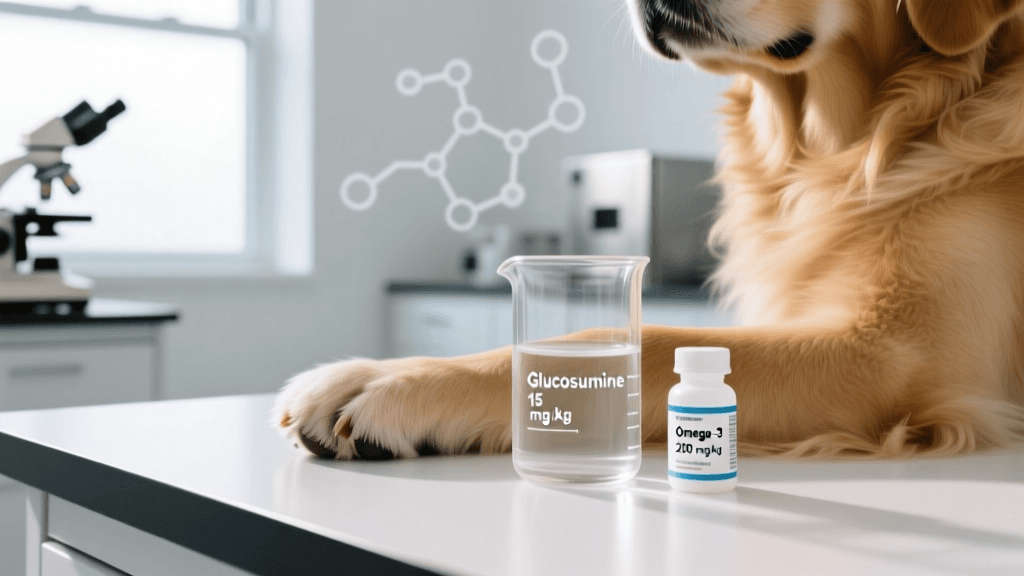
While training and environmental management are paramount, nutritional support can provide a crucial biological buffer against chronic urban stress. Always consult your veterinarian before introducing new supplements, but the following are widely recognized in veterinary behavioral medicine:
- L-Theanine: An amino acid found in green tea that promotes relaxation without drowsiness. Products like Virbac Anxitane are frequently recommended for situational anxiety, such as during loud city construction or fireworks.
- Hemp-Based Calming Chews: Look for chews containing broad-spectrum CBD or hemp seed oil combined with chamomile and valerian root. Ensure the product provides a Certificate of Analysis (COA) to guarantee the absence of THC and heavy metals.
- Zylkene: A natural supplement derived from a milk protein (casein) that has a calming effect on the central nervous system. It is highly palatable and can be easily mixed into your dog's morning wet food.
Final Thoughts on Urban Canine Wellness
Raising a happy, well-adjusted dog in an apartment requires intentionality. You cannot rely on a backyard to entertain them or a quiet neighborhood to keep them relaxed. By proactively managing noise triggers, investing in daily mental enrichment, and adhering to a structured routine, you can transform your compact living space into a sanctuary of canine wellbeing. Remember, a tired mind is just as important as tired legs, and a secure dog is a quiet, happy neighbor.
tom-renshaw
All our authors care for dogs every day — read more of their work on the authors page.