Master Winter Recall Training: Keep Dogs Safe in Snow
Learn how to master winter recall training. Discover cold-weather safety tips, gear recommendations, and focus exercises to keep your dog safe in the snow.
The Unique Challenges of Winter Recall
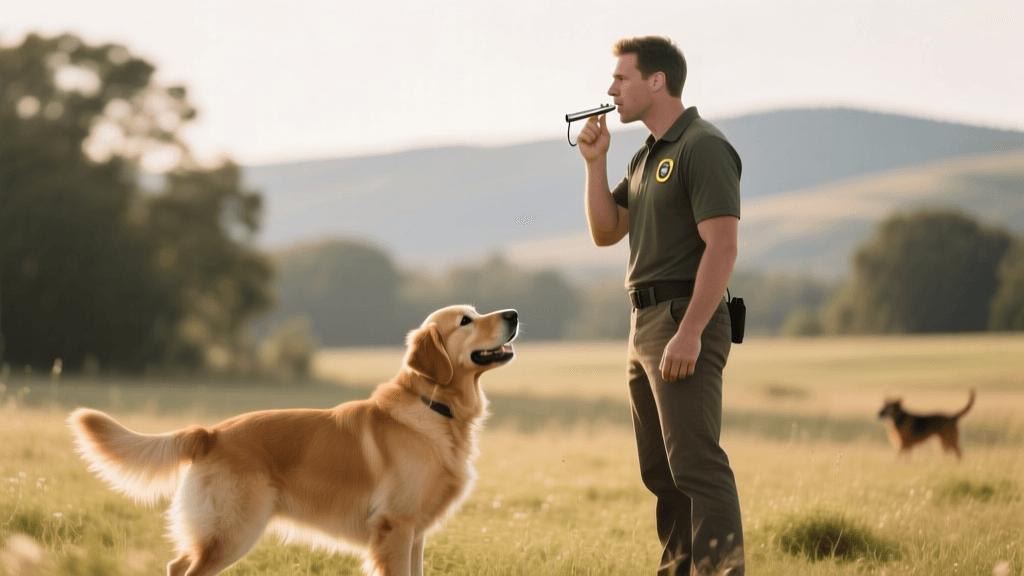
Winter transforms your dog's familiar environment into an entirely new landscape. For dog owners focused on obedience and behavioral conditioning, the snowy season presents a unique set of hurdles. Snow alters the visual landscape, masks familiar scents, and surprisingly, absorbs sound waves. This acoustic dampening means your standard verbal recall cue might sound muffled to your dog from fifty yards away. Furthermore, the physical sensation of cold snow on paw pads can cause sudden distractions, leading a dog to break their stay or recall to shake their feet. Mastering winter recall training requires adapting your seasonal care routine, understanding canine sensory shifts, and utilizing specialized gear to maintain your dog's focus and safety.
Essential Cold-Weather Training Gear
Before stepping outside for a training session, you must equip both yourself and your dog for the elements. A distracted, freezing dog will not learn. Investing in proper seasonal care gear ensures your training sessions remain productive and humane.
- Protective Footwear and Wax: Ice-melting chemicals and sharp ice crusts can severely damage paw pads. Apply Musher's Secret Dog Paw Wax (approx. $15 per tin) before every session to create a semi-permeable shield. For deep snow or heavily salted urban areas, use Pawz Rubber Dog Boots ($15-$20 for a pack of 12) to guarantee traction and warmth.
- Insulated Outerwear: Short-coated breeds, senior dogs, and small dogs lose body heat rapidly. The Ruffwear Overcoat Fuse Jacket ($80-$90) provides excellent core warmth without restricting the shoulder movement required for running and sitting.
- Weather-Resistant Long Line: Standard nylon leashes freeze, become stiff, and are difficult to handle with thick gloves. Upgrade to a 15-to-30-foot Biothane Long Line ($30-$45). Biothane is waterproof, doesn't absorb snow, and remains flexible in sub-zero temperatures, giving you reliable physical control while practicing off-leash recall.
Temperature and Training Limits Chart
Knowing when to train and when to stay indoors is a critical component of seasonal care. Use the following chart to plan your outdoor obedience sessions based on the ambient temperature and wind chill.
| Temperature Range (Fahrenheit) | Max Training Duration | Required Gear | Focus & Conditioning Expectation |
|---|---|---|---|
| 40°F to 50°F | 30 - 45 minutes | Standard harness, treats, long line | High focus; ideal for learning new tricks and complex recall drills. |
| 20°F to 39°F | 15 - 25 minutes | Paw wax, light jacket for short-haired breeds | Moderate focus; best for reinforcing known cues like emergency recall. |
| 0°F to 19°F | 5 - 10 minutes | Insulated jacket, rubber boots, high-value treats | Low focus; limit to quick potty breaks and basic engagement games. |
| Below 0°F | 0 minutes (Indoor only) | N/A | Train indoors using hallway recalls and mental stimulation puzzles. |
Step-by-Step Winter Recall Conditioning
To build a bulletproof recall in the snow, you must systematically desensitize your dog to winter distractions while maintaining high engagement.
Phase 1: Indoor Foundation and Engagement
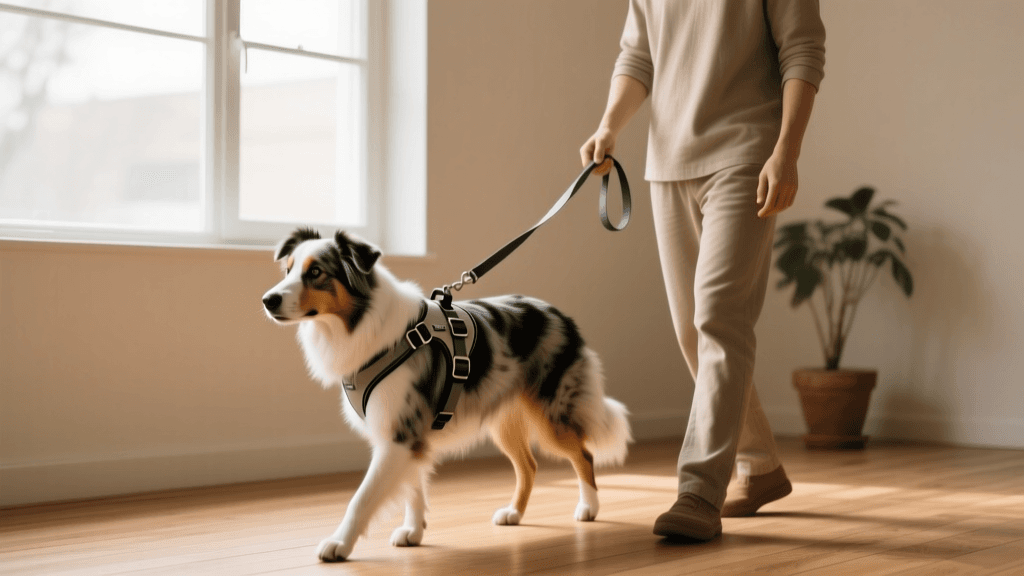
Start your winter training indoors where it is warm. Practice your recall cue using a high-value reward like Zuke's Mini Naturals or freeze-dried beef liver. Toss a treat across the room, wait for your dog to eat it, call their name followed by your recall word (e.g., 'Come!'), and reward heavily when they arrive. Do this 20 times per session to build a strong neurological pathway associated with the cue.
Phase 2: Transitioning to the Cold
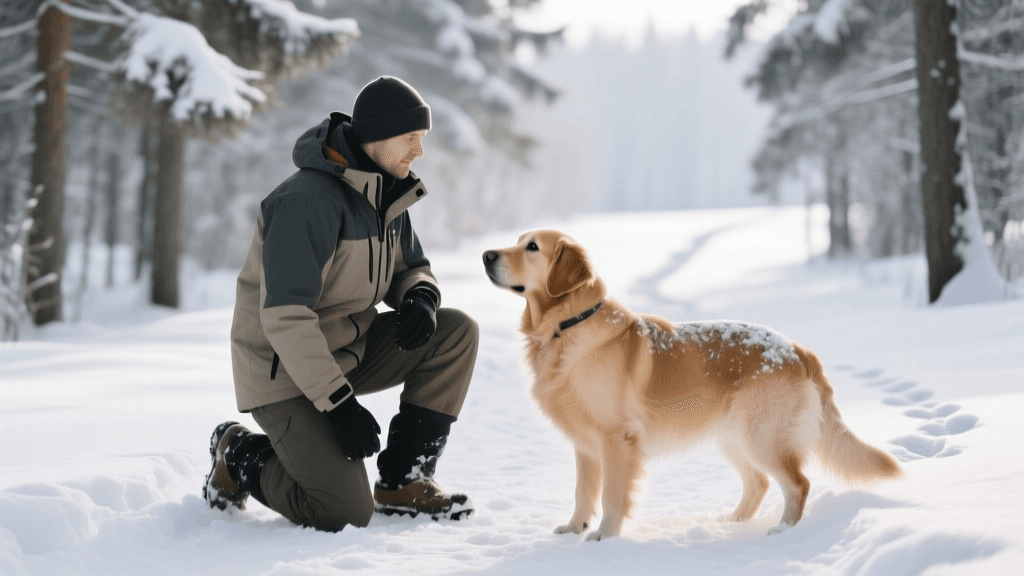
Move to a fenced, snow-covered backyard. Attach your 30-foot Biothane long line. The snow will immediately present a distraction. Let your dog sniff and explore for two minutes. Call them back. If the snow has muffled your voice, use a visual cue alongside your verbal one, such as waving your arms or clapping your thick winter gloves. Reward with warm, high-value food.
Phase 3: Adding Environmental Distractions
Visit a local park. The presence of animal tracks in the snow triggers a dog's prey drive, making recall significantly harder. Practice the 'engage-disengage' game. When your dog spots a squirrel track or a distant deer, mark their attention with a 'Yes!' and reward them for looking back at you before they pull on the long line. Only issue your recall cue when you are confident they will respond; otherwise, gently reel them in using the long line without repeating the verbal command, which prevents cue poisoning.
High-Value Winter Rewards
Dogs burn significantly more calories trying to regulate their body temperature in freezing weather. Standard kibble or dry biscuits are often rejected in the cold because the dog's priority is conserving heat, not chewing hard food. Adapt your reward system for seasonal care by using soft, aromatic, and calorie-dense treats. Stewart Freeze-Dried Beef Liver is highly aromatic and easy to swallow quickly. Alternatively, fill a Kong Classic with low-sodium, warm chicken bone broth (ensure it contains no onions or garlic) and freeze it. Licking the warm, savory broth provides immense mental stimulation and helps raise their core temperature from the inside out.
Troubleshooting Common Winter Recall Issues
Issue: The dog lifts their paws and refuses to move.
Solution: This is a sign of cold paws or ice buildup between the toe pads. Immediately check their feet. Clear any ice balls and apply paw wax. If they are shivering, end the training session and head indoors. According to the ASPCA, if your dog is whining, shivering, or seems anxious, they are telling you they want to go inside.
Issue: The dog ignores the recall to eat snow.
Solution: Snow eating can lead to dangerous drops in core body temperature and potential toxicity if the snow contains hidden antifreeze or road salts. The American Kennel Club (AKC) warns that antifreeze is highly toxic and often has a sweet taste that attracts dogs. Keep your dog on a short leash near roads, and carry a thermos of warm water to offer them when they attempt to eat snow, satisfying their thirst safely.
Issue: The dog slips on ice during the recall.
Solution: Never demand a fast, sliding recall on icy surfaces, as this can lead to torn cruciate ligaments or hip injuries. Modify your training criteria in icy conditions. Ask for a slower, controlled walk toward you, or ask for a 'sit' and 'wait' until you can walk to them and leash them safely.
Safety First: Knowing When to Head Indoors
Ultimately, seasonal care dictates that training must take a backseat to physical well-being. The Humane Society of the United States emphasizes that pets are susceptible to frostbite and hypothermia, particularly on their ears, tail, and paw pads. If the wind chill drops below 20°F, shift your obedience training to indoor hallways, practice scent work in the living room, or use puzzle toys to drain their mental energy. A well-trained dog is a safe dog, but a smart trainer knows when the weather demands that the lesson plan be moved to the warmth of the living room.
beth-carrasco
All our authors care for dogs every day — read more of their work on the authors page.