Stop Leash Pulling And Reactivity: Diagnosis And Fixes
Discover the root causes of dog leash pulling and reactivity. Learn actionable, step-by-step training solutions and the best harnesses to regain control.
Understanding the Problem: Why Dogs Pull and React
Walking your dog should be a relaxing bonding experience, but for many owners, it quickly devolves into a frustrating tug-of-war. Leash pulling and reactivity are among the most common behavioral issues reported by dog owners. When a dog pulls, lunges, or barks on a leash, it is rarely an act of deliberate defiance. Instead, it is a symptom of an underlying emotional state or a learned behavioral response. To effectively solve the problem, we must first move away from generic 'obedience' commands and focus on precise problem diagnosis and targeted behavioral conditioning.
Fear-Based Reactivity vs. Frustration
Before implementing a solution, you must diagnose the root cause of your dog's leash behavior. Leash reactivity generally falls into two categories: fear-based reactivity and barrier frustration.
- Fear-Based Reactivity: The dog feels trapped by the leash when a trigger (like another dog or a stranger) approaches. The lunging and barking are distance-increasing behaviors designed to make the scary thing go away.
- Barrier Frustration: The dog is highly social and desperately wants to greet the trigger, but the leash acts as a physical barrier. This frustration boils over into barking, spinning, and pulling.
Diagnosing which category your dog falls into is critical. A fearful dog needs desensitization and counter-conditioning to change their emotional response, while a frustrated dog needs impulse control training and structured engagement exercises.
Diagnosing Your Dog's Specific Trigger and Threshold
Every reactive dog has a 'threshold.' This is the physical distance at which your dog notices a trigger but can still focus on you and accept treats. Once the dog crosses this invisible line, they enter the 'reactive zone,' where their brain is flooded with adrenaline and learning is neurologically blocked.
To diagnose your dog's threshold, keep a training journal. Note the distance, the type of trigger, and your dog's body language. You might find that your dog is fine at 50 feet away from a calm adult dog, but reacts at 20 feet away from a barking puppy. According to the American Kennel Club (AKC), recognizing these early signs of stress—such as lip licking, whale eye, or a stiff tail—is the first step in preventing a full-blown reactive episode.
The Right Gear: Harnesses, Halters, and Leashes
Equipment alone will not train your dog, but the wrong equipment can make pulling worse or cause physical injury. Retractable leashes, for example, inherently teach a dog that pulling yields more freedom, reinforcing the exact behavior you want to stop. Furthermore, the ASPCA's guide on leash pulling strongly advises against using choke chains or prong collars, as these rely on pain and can increase fear-based aggression.
Here is a breakdown of the most effective, humane training gear, including measurements and estimated costs to help you prepare:
| Equipment Type | Best For | Pros | Cons | Estimated Cost |
|---|---|---|---|---|
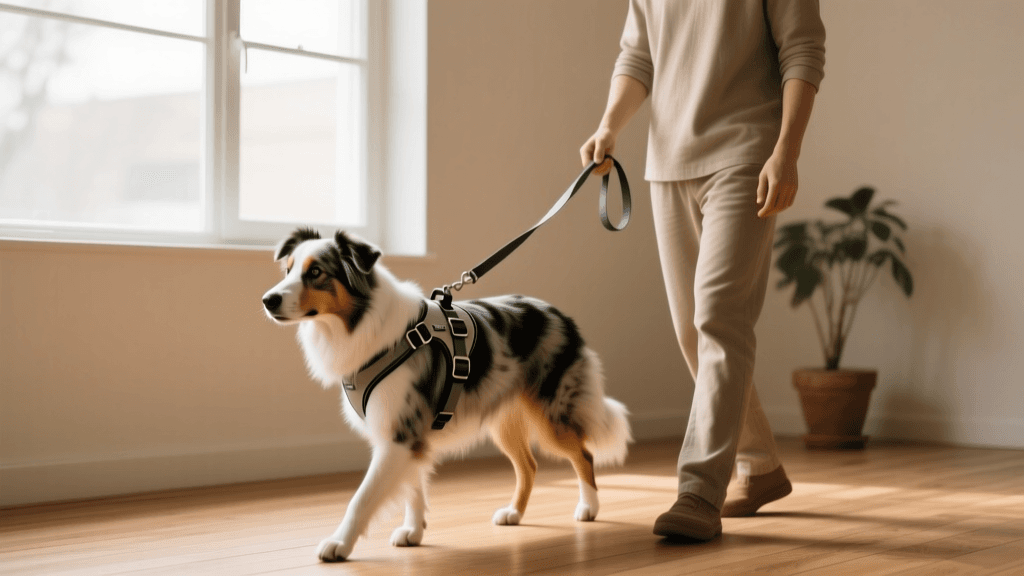
| Front-Clip Harness (e.g., Kurgo Tru-Fit) | Moderate pullers, general reactivity | Redirects pulling force safely to the chest | Dogs can sometimes slip out if not fitted properly | $25 - $40 |
| Head Halter (e.g., Halti Optifit) | Severe pullers, large/giant breeds | Maximum steering control of the snout | Requires desensitization; risk of neck injury if dog lunges hard | $15 - $25 |
| Martingale Collar | Dogs with narrow heads (e.g., Greyhounds) | Prevents slipping without choking | Does not physically stop pulling | $10 - $15 |
| 6-Foot Biothane Leash | All training scenarios | Durable, easy to clean, provides consistent feedback | Can be stiff when brand new | $20 - $35 |
Fitting Tip: When buying a front-clip harness, measure your dog's girth at the widest part of their ribcage, just behind the front legs. For a head halter, measure the circumference of the snout just below the eyes. A proper fit ensures safety and comfort.
Step-by-Step Solutions for Leash Pulling
Once you have the right gear, it is time to implement behavioral conditioning. The goal is to teach your dog that a loose leash is the only way to move forward, and that paying attention to you is more rewarding than the environment.
1. The 'Engage-Disengage' Game
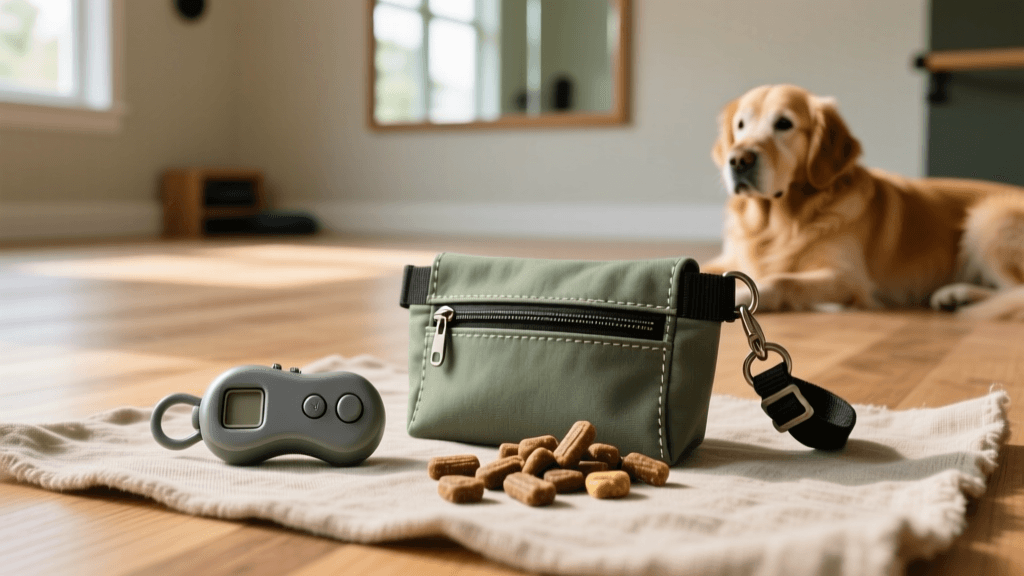
This is the gold standard for fear-based and frustration-based reactivity. You will need a 6-foot leash, a front-clip harness, and high-value treats (like Zuke's Mini Naturals, freeze-dried liver, or boiled chicken breast). Keep training sessions short—about 10 to 15 minutes—to prevent cognitive fatigue.
- Engage: Stand with your dog at a distance where they can see the trigger but remain under their threshold (e.g., 30 feet away). The moment your dog looks at the trigger, say 'Yes!' or click your clicker.
- Disengage: Immediately deliver the high-value treat. The dog will turn away from the trigger to eat the treat. You are building a positive association: seeing a trigger predicts a delicious reward.
- Progression: Over several weeks, gradually decrease the distance by 2 to 3 feet per session, provided your dog remains relaxed.
2. The U-Turn Method for General Pulling
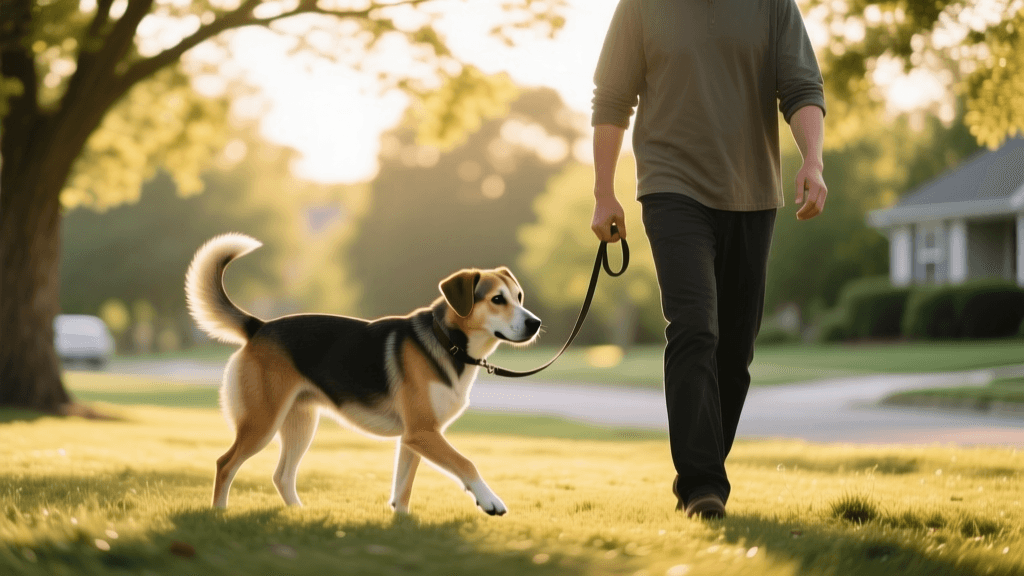
If your dog is simply pulling ahead to sniff or explore (non-reactive pulling), use the U-Turn method. As recommended by the Humane Society of the United States, consistency is key when teaching leash manners.
- Start walking with a 6-foot leash. Keep your hand relaxed by your side.
- The exact second the leash goes taut, stop walking. Do not jerk the leash or yell.
- Immediately pivot 180 degrees and walk in the opposite direction.
- When your dog catches up to you and the leash is loose, mark the behavior with a 'Yes!' and deliver a treat right at the seam of your pants to reinforce the heel position.
- Repeat this process. It may take 20 U-turns in a single block, but your dog will quickly learn that tension on the leash means the walk stops or reverses, while a loose leash moves them toward their goal.
Managing the Environment and Decompression
Training is only half the battle; management is the other. If your dog practices reactive behavior on the leash, the neural pathways associated with that behavior are strengthened. You must manage their environment to prevent rehearsals of the unwanted behavior.
Incorporate 'Decompression Walks' (also known as Sniffaris) into your routine. Take your dog to a quiet, low-traffic area like an empty field or a secluded nature trail. Use a 15-foot long line (never attached to a collar; always use a harness) and allow your dog to sniff freely for 30 to 45 minutes. Sniffing lowers a dog's heart rate and reduces cortisol levels, providing mental enrichment that a rigid, 10-minute neighborhood heel-walk simply cannot offer.
According to veterinary behaviorists, 'Reactivity is often rooted in fear, anxiety, or over-arousal, not dominance or aggression. Punishing a fearful dog with leash corrections will only increase their anxiety and validate their belief that the trigger is indeed dangerous.'
Final Thoughts on Consistency
Diagnosing and fixing leash pulling and reactivity is not an overnight process. It requires patience, precise timing, and a commitment to keeping your dog under their emotional threshold. By utilizing the correct humane equipment, implementing the Engage-Disengage game, and providing ample opportunities for off-leash decompression, you can transform your dog's leash behavior. Remember, every walk is a training opportunity. Celebrate the small victories, adjust your criteria as your dog progresses, and enjoy the journey toward a harmonious walking routine.
priya-sutaria
All our authors care for dogs every day — read more of their work on the authors page.