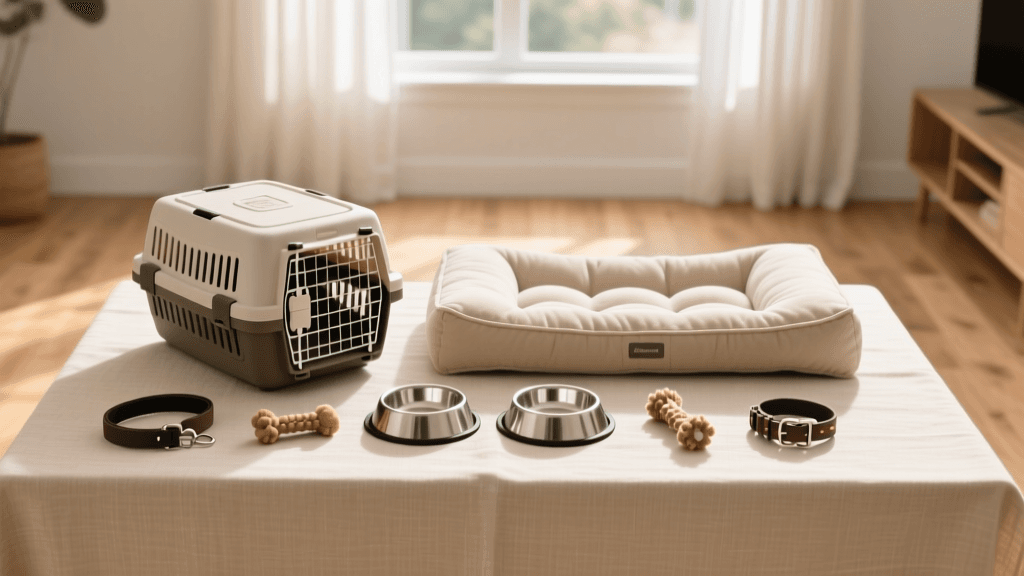
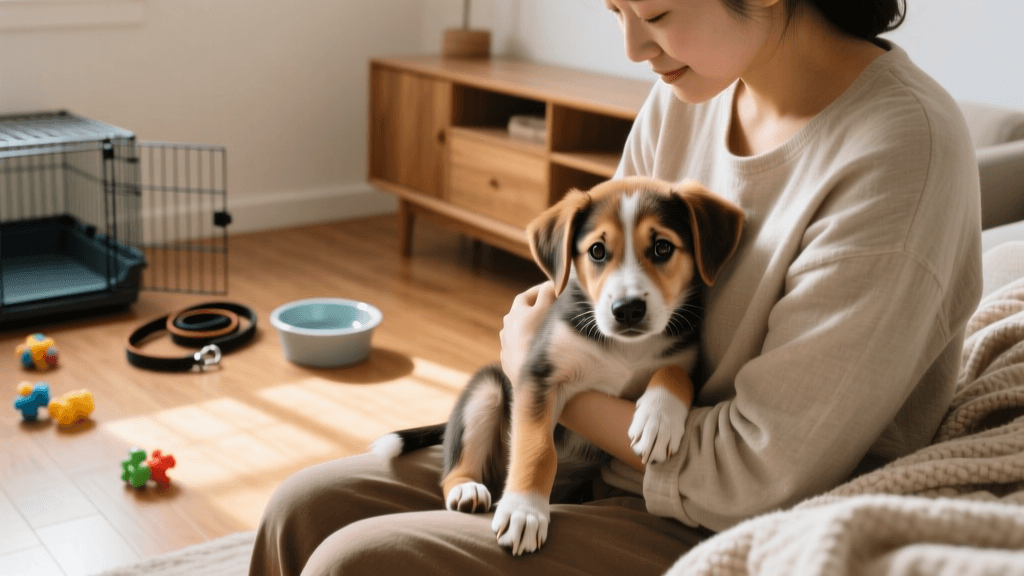
Getting a Winter Puppy: Essential Gear and Home Prep
Preparing to adopt a puppy in winter? Discover essential cold-weather gear, home safety tips, and potty training advice for your new winter dog.
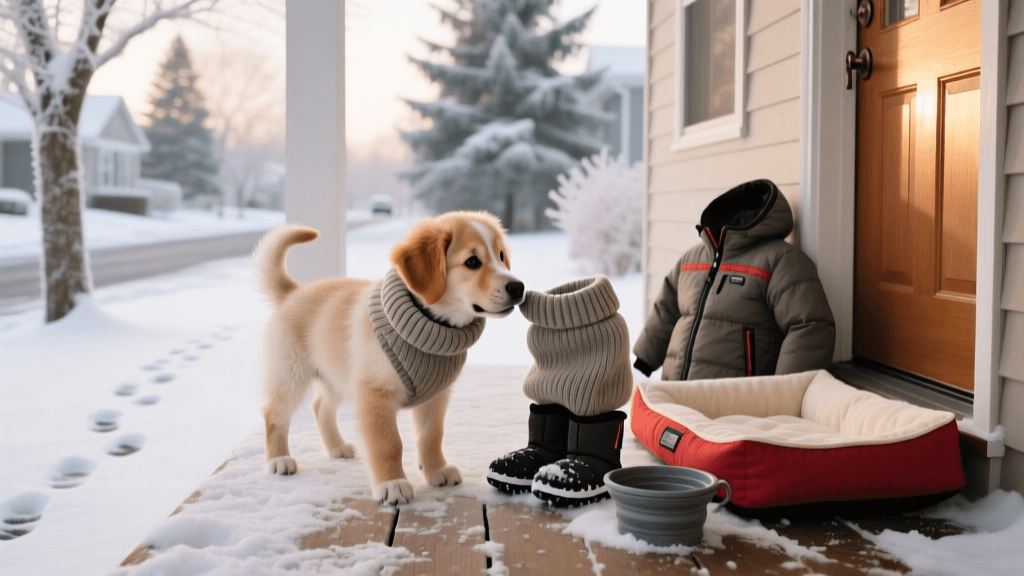
Bringing a new dog or puppy into your family is an exhilarating milestone. However, if your adoption date falls between late November and early March, you are signing up for a winter arrival. While curly toes and snowy romps look picturesque on social media, the reality of getting a dog in winter requires meticulous preparation, specialized gear, and adjusted training routines. Puppies and newly adopted rescue dogs are particularly vulnerable to cold stress, hazardous de-icing chemicals, and seasonal behavioral hurdles. By preparing your home and gathering the right supplies before your new companion arrives, you can ensure a safe, warm, and successful transition.
The Unique Challenges of Winter Dog Adoptions
The transition from a shelter or breeder environment to a new home is inherently stressful for any dog. When you add freezing temperatures, shortened daylight hours, and harsh winter elements into the mix, that stress can be compounded. Rescue dogs or young puppies often have developing or compromised immune systems, making them more susceptible to seasonal respiratory issues. Furthermore, the dry air from indoor central heating can cause itchy skin and cracked paw pads.
According to the ASPCA, pets are highly susceptible to frostbite and hypothermia, and their tolerance to cold varies wildly by breed, age, body fat, and coat type. A short-haired Greyhound or a tiny Chihuahua will experience cold stress much faster than a Husky, but even cold-weather breeds need time to acclimate to a new environment. Understanding these risks is the first step in preparing your home for a winter adoption.
Essential Cold-Weather Gear Checklist
Before your dog's paws touch your entryway rug, you need to stock up on winter-specific essentials. Standard dog supplies are not enough; you must invest in gear designed to protect against freezing temperatures and toxic sidewalk salts. Below is a comprehensive breakdown of the gear you need, including estimated costs and specific features to look for.
| Item | Purpose | Estimated Cost | Recommended Specs |
|---|---|---|---|
| Insulated Dog Coat | Core warmth for short-haired, small, or senior breeds | $35 - $75 | Waterproof shell, fleece lining, full belly coverage |
| Paw Protection Wax | Shields pads from salt, ice melt, and snowballs | $15 - $25 | 100% natural beeswax base, non-toxic if licked |
| Waterproof Booties | Ultimate protection against chemical burns and ice | $25 - $50 | Anti-slip rubber soles, adjustable velcro ankle straps |
| Indoor Potty System | Reliable alternative for blizzard days or extreme cold | $40 - $90 | Real grass patches or washable, odor-neutralizing mats |
| LED Safety Collar | Crucial visibility during early winter sunsets | $15 - $30 | USB rechargeable, multiple flash modes, waterproof |
Deep Dive: Selecting and Using Winter Gear
When purchasing an insulated dog coat, do not guess the size. Use a soft measuring tape to measure your dog's back length (from the base of the neck to the base of the tail) and their girth (the widest part of the ribcage). A poorly fitted coat will restrict movement and cause chafing.
For paw care, products like Musher's Secret Paw Wax are industry standards. Apply a generous layer of the wax 15 minutes before heading outside to create a semi-permeable barrier against chemical ice melts. If you opt for waterproof booties, remember that most dogs will initially 'high-step' or freeze when wearing them. You must acclimate your dog to booties indoors over several days, using high-value treats like freeze-dried liver to create a positive association before ever stepping into the snow.
Winterizing Your Home for a New Arrival
Your home needs to be a warm sanctuary. Winterizing goes beyond simply turning up the thermostat; it involves managing air quality and securing seasonal hazards.
Managing Indoor Humidity and Drafts
Central heating drastically reduces indoor humidity, often dropping it below 20%. This dry air can lead to respiratory irritation and flaky skin for your new dog. Invest in a cool-mist humidifier for the room where your dog will sleep, aiming to keep the ambient humidity between 30% and 50%. Additionally, inspect your floors for drafts. If you have hardwood or tile floors, provide an elevated, orthopedic dog bed to keep your new pet off the cold surface, which can sap their body heat and aggravate joints.
Securing Toxic Winter Chemicals
Antifreeze (ethylene glycol) is notoriously sweet-tasting and lethal to dogs in even minuscule amounts. As little as a few tablespoons can cause fatal kidney failure in a medium-sized dog. Ensure all garage and basement chemical stores, including ice melt bags and windshield wiper fluids, are locked in heavy-duty plastic bins elevated at least four feet off the ground or secured behind child-proof latches.
Cold-Weather Potty Training Strategies
Potty training a winter puppy is arguably the most frustrating hurdle of the season. Most puppies will refuse to eliminate on freezing, wet snow, and the sensation of cold snow on their bare underbellies can cause them to hold it until they are back inside your warm house.
Create a Designated 'Potty Patch'
Before a snowstorm hits, shovel a designated 4x4 foot area down to the bare grass or pavement in your yard. Sprinkle a small amount of a potty-attractant spray or place a familiar outdoor potty post in this zone. By keeping this specific area clear of snow, you provide a comfortable, familiar surface that encourages your puppy to do their business quickly.
The 5-Minute Reset Rule
Limit outdoor potty breaks to 5 minutes. Bundle the puppy in their coat, carry them to the potty patch to prevent them from getting cold and distracted on the walk, and use a consistent verbal cue like 'go potty.' If the puppy does not eliminate within 5 minutes, bring them back inside, place them in their crate or a small playpen for 10 minutes to reset, and then try again. This prevents the puppy from associating the outdoors purely with freezing discomfort and teaches them that elimination leads to a quick return to warmth.
Patience is your greatest tool during winter potty training. Never punish a puppy for having an accident indoors after a freezing outdoor session; instead, clean the area thoroughly with an enzymatic cleaner to remove the scent markers and adjust your outdoor strategy.
Safe Outdoor Socialization in Freezing Temps
Socialization is critical during a puppy's prime developmental window, which typically closes around 16 weeks of age. You cannot pause socialization just because it is snowing. The Humane Society of the United States recommends limiting outdoor exposure during extreme cold snaps, but you can still socialize safely using creative, climate-controlled methods.
- The Sling Method: Carry your unvaccinated or young puppy in a warm, fleece-lined sling or pet carrier to pet-friendly hardware stores, garden centers, and large retail shops to expose them to novel sounds, slippery floors, and diverse people.
- Home Playdates: Invite friends with fully vaccinated, healthy, and calm adult dogs to your home for supervised indoor playdates.
- The Car Observation Deck: Sit in your parked, running car (with the heater on and windows slightly cracked) in busy parking lots or near dog parks. This allows your puppy to observe the world, hear traffic, and watch other dogs without being subjected to the freezing wind.
Health, Diet, and Veterinary Considerations
Winter adoptions require a proactive approach to veterinary care and nutritional management. The cold weather impacts a dog's metabolism and joint health in ways that new owners must anticipate.
Adjusting Caloric Intake
While working dogs that spend hours outdoors in the cold burn significantly more calories to maintain their core body temperature, the average newly adopted indoor puppy will likely burn fewer calories due to shortened winter walks and increased indoor napping. Monitor your dog's body condition score weekly. You should be able to feel their ribs without pressing hard, and they should have a visible waist tuck. Adjust their daily kibble intake downward if they begin to pack on winter weight, which can stress developing joints.
Joint Care for Senior Rescues
If you are adopting an older dog, be aware that cold weather and changes in barometric pressure severely exacerbate osteoarthritis. Provide an orthopedic memory foam bed that is at least 4 inches thick to relieve pressure points. Consult your veterinarian about starting a high-quality glucosamine, chondroitin, and Omega-3 fatty acid supplement prior to the deepest winter months to support joint lubrication and reduce inflammation.
The American Kennel Club notes that older dogs and those with underlying health conditions like diabetes, kidney disease, or heart disease have a much harder time regulating their body temperature. For these vulnerable rescues, outdoor winter walks should be limited to 10-15 minutes, focusing on mental enrichment indoors through puzzle toys and scent work to burn off energy safely.
Embracing the Winter Bond
Getting a dog in the winter is undeniably demanding. It requires shoveling snow in the dark, wiping salty paws after every walk, and managing the dry indoor air. However, the winter season also offers a unique opportunity to forge a deep, unbreakable bond. The long evenings spent indoors training, cuddling by the heater, and playing interactive games build a foundation of trust that will carry you and your new companion through all the seasons to come. With the right gear, a winterized home, and a patient mindset, your winter adoption will be a resounding success.
aaron-whyte
All our authors care for dogs every day — read more of their work on the authors page.