Top Apartment Dog Breeds: A Complete Selection Guide
Discover the best dog breeds for apartment living. Compare energy levels, space needs, and noise to find your perfect small-space companion today.
The Myth of Size in Apartment Dogs
Choosing the right dog breed for apartment living requires more than just looking at a breed's physical size. Many prospective pet parents mistakenly believe that only small toy breeds are suitable for compact spaces. However, canine behaviorists and veterinary experts consistently point out that a dog's energy level, vocalization tendencies, and overall temperament are far more critical factors than their square-footage footprint. According to the American Kennel Club (AKC), some large breeds are notoriously lazy and thrive in apartments, while certain small terriers possess boundless energy that can lead to destructive behavior in confined spaces. When selecting a companion for a multi-family dwelling, you must prioritize psychological adaptability over physical dimensions.
Crucial Traits for Small-Space Living
Energy Level vs. Physical Stamina
A common misconception is that a large dog needs a massive backyard. In reality, many giant breeds require only a moderate daily walk followed by hours of napping on the couch. Conversely, working breeds and terriers, regardless of their small stature, were bred for high-stamina tasks. A Jack Russell Terrier confined to a 600-square-foot apartment without rigorous mental and physical stimulation will quickly develop anxiety and destructive habits. Therefore, matching your personal lifestyle and daily schedule to the dog's baseline energy is the most vital step in the selection process.
Vocalization and Neighborly Relations
In an apartment building, shared walls mean that your dog's habits become your neighbors' reality. Breeds that are naturally vocal, such as Beagles or Shetland Sheepdogs, may struggle with the ambient noises of apartment life—like footsteps in the hall or doors slamming—which can trigger excessive barking. Selecting a breed with a naturally quieter disposition or one that is highly responsive to 'quiet' command training is essential for maintaining a peaceful living environment and avoiding noise complaints from your landlord or building management.
Top 5 Dog Breeds for Apartment Living
1. The Greyhound
Measurements: 60-70 lbs, 27-30 inches tall.
Estimated Cost: $1,500 - $2,500 (or $300-$500 via rescue).
Despite their reputation as racing champions, Greyhounds are famously known as '45-mph couch potatoes.' They are sprinters, not endurance runners, meaning a brisk 30-minute morning walk and a quick evening stroll are entirely sufficient to meet their exercise needs. Indoors, they are incredibly docile, quiet, and prefer to sleep on a plush orthopedic bed. Their short coats also mean minimal shedding and virtually no doggy odor, making them ideal for poorly ventilated apartments.
2. The French Bulldog
Measurements: 16-28 lbs, 11-13 inches tall.
Estimated Cost: $2,000 - $4,000.
Brachycephalic (flat-faced) breeds like the French Bulldog require minimal strenuous exercise, making them perfectly suited for smaller spaces. A couple of short, leisurely walks per day will keep them happy. They are deeply affectionate, rarely bark without a good reason, and adapt wonderfully to the rhythms of urban apartment life. However, prospective owners must budget for potential veterinary costs related to their respiratory structure and ensure the apartment remains climate-controlled during hot summer months.
3. The Cavalier King Charles Spaniel
Measurements: 12-18 lbs, 12-13 inches tall.
Estimated Cost: $1,500 - $3,500.
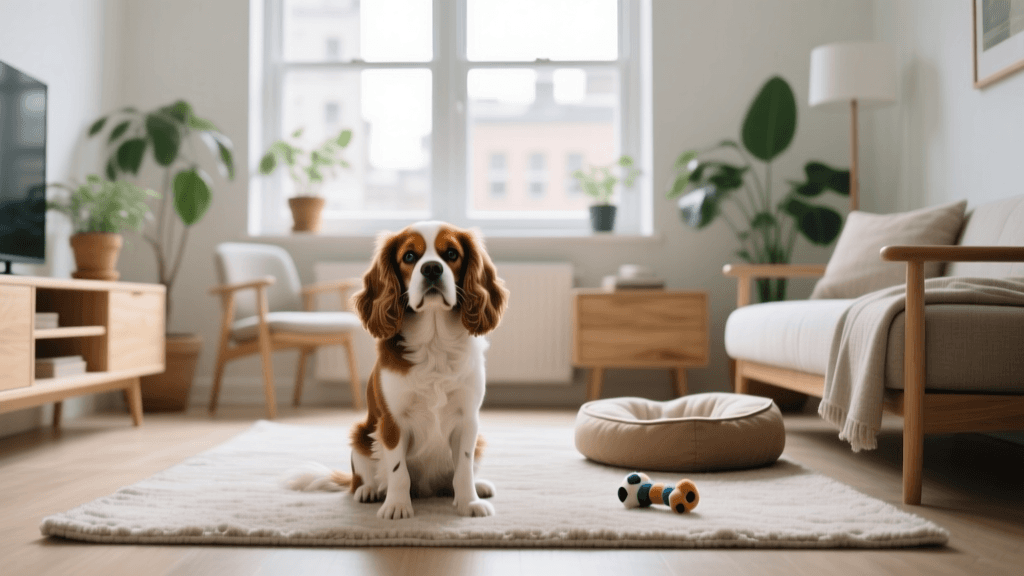
The Cavalier is the quintessential lap dog. They are highly adaptable, matching their owner's energy level seamlessly. If you are an active hiker, they will join you; if you prefer a quiet evening reading, they will happily snooze at your feet. Their gentle, non-confrontational nature makes them excellent neighbors, and their moderate size means they don't require expansive floor space to feel comfortable.
4. The Bichon Frise
Measurements: 12-18 lbs, 9-12 inches tall.
Estimated Cost: $1,000 - $2,500.
For allergy sufferers living in apartments, the Bichon Frise is a top-tier choice. Their hypoallergenic, hair-like coat sheds minimally, keeping your small space free of dander. They are cheerful, highly trainable, and eager to please. While they do possess a playful spark, their exercise requirements are easily met with indoor fetch sessions and short neighborhood walks. Regular professional grooming every 4 to 6 weeks is a necessary ongoing cost to consider.
5. The Pug
Measurements: 14-18 lbs, 10-13 inches tall.
Estimated Cost: $1,000 - $2,000.
Pugs are sturdy, comical, and deeply devoted to their humans. They do not require a yard and are generally content to follow their owners from room to room. Their low exercise tolerance means they are unlikely to become restless in a small apartment. The ASPCA notes that brachycephalic breeds require careful monitoring in heat, but in a climate-controlled apartment, they thrive as low-maintenance, high-affection companions.
Breed Comparison Chart
Use the following data table to compare the top apartment-friendly breeds at a glance:
| Breed | Avg Weight | Daily Exercise | Barking Level | Grooming Needs |
|---|---|---|---|---|
| Greyhound | 60-70 lbs | 30-45 mins | Low | Very Low |
| French Bulldog | 16-28 lbs | 20-30 mins | Low | Low |
| Cavalier Spaniel | 12-18 lbs | 30-45 mins | Low-Medium | Medium |
| Bichon Frise | 12-18 lbs | 30 mins | Medium | High |
| Pug | 14-18 lbs | 20-30 mins | Low-Medium | Low |
Financial and Logistical Preparation
Budgeting for Pet Fees and Gear
Before bringing your new dog home, you must prepare your apartment financially and logistically. Most apartment complexes charge a non-refundable pet fee ranging from $200 to $500, alongside a monthly 'pet rent' of $25 to $75. Inside the apartment, invest in an enzymatic cleaner like Nature's Miracle ($15-$25) to immediately address any indoor accidents. For brachycephalic breeds, purchase a 45-degree angled water bowl ($20-$30) to aid in digestion and prevent choking. Additionally, a smart pet camera like the Furbo ($150-$200) is highly recommended for monitoring your dog's stress levels and dispensing treats while you are at work.
Balcony and Indoor Potty Solutions
One of the greatest challenges of apartment living is potty training, especially during inclement weather or if you live on a high floor. If you have a balcony, consider installing a real-grass subscription service like DoggieLawn (approximately $30-$40 per month). This provides a familiar outdoor texture for your dog and contains the mess. For indoor solutions, high-quality washable potty pads or a raised plastic grate system can protect your hardwood floors or security deposit.
Expert Tips for Apartment Potty Training
Potty training in an apartment requires a stricter schedule than house training in a suburban home. The American Veterinary Medical Association (AVMA) emphasizes the importance of routine and positive reinforcement. Take your puppy out immediately after waking up, after every meal, and after vigorous play sessions. Because you may have to wait for elevators or walk down multiple flights of stairs, you must anticipate your dog's needs 10 to 15 minutes before they actually have to go. Use high-value treats, such as freeze-dried liver, to reward successful outdoor elimination immediately, creating a strong positive association with the designated potty area.
Conclusion
Selecting the right dog breed for apartment living is a delicate balance of evaluating energy levels, noise tolerance, and space requirements. By looking beyond the myth that only tiny dogs belong in small spaces, and by properly preparing your home with the right gear and financial budget, you can create a thriving environment for a canine companion. Whether you choose a lounging Greyhound or an affectionate Cavalier King Charles Spaniel, thoughtful breed selection ensures a harmonious life for you, your dog, and your neighbors.
beth-carrasco
All our authors care for dogs every day — read more of their work on the authors page.