How to Solve First 48 Hours New Dog Adjustment Issues
Discover practical solutions for common new dog adjustment problems in the first 48 hours, including crying, potty accidents, and appetite loss.
The Critical First 48 Hours: Why Dogs Struggle
Bringing a new dog or puppy into your home is an undeniably thrilling milestone. However, the transition from a shelter, breeder, or foster home to your living room is a massive environmental shock. During the critical first 48 hours, many new owners encounter a wave of unexpected behavioral and physiological issues. From relentless nighttime crying to sudden appetite loss and mysterious potty accidents, these problems can quickly turn excitement into exhaustion. Understanding the root causes of these adjustment issues is the first step toward resolving them. In this guide, we will diagnose the most common first-48-hour problems and provide actionable, product-specific solutions to help your new dog settle in safely and comfortably.
Problem 1: Nighttime Crying and Crate Restlessness
Diagnosis: Environmental Shock and Separation Anxiety
When the lights go out on the first night, many dogs and puppies experience a sudden spike in cortisol levels. Removed from their littermates or familiar shelter kennels, the silence and isolation of a crate can trigger severe distress. According to the American Kennel Club, nighttime whining is a natural expression of vulnerability, not necessarily a sign of poor training or a spoiled temperament.
Solutions:
- Scent and Sound Therapy: Invest in a behavioral aid toy like the SmartPetLove Snuggle Puppy (approx. $45). This product features a simulated heartbeat and a heat pack that mimics the physical presence of a mother or littermate. Place it in the back of the crate to provide a comforting focal point.
- Strategic Crate Placement: For the first two nights, place the crate in your bedroom, within arm's reach of your bed. This allows you to drape your hand near the crate or speak softly to reassure the dog without reinforcing the crying by letting them out of the confinement.
- The 'Tire Them Out' Protocol: Engage in 30 minutes of structured mental enrichment (like snuffle mats or basic obedience training) exactly two hours before bedtime to promote deep, restorative sleep.
Problem 2: Frequent Indoor Potty Accidents
Diagnosis: Stress-Induced Frequency and Scent Confusion
Even fully house-trained adult dogs may have accidents in a new home. The diagnosis here is twofold: stress increases water consumption and urinary frequency, while unfamiliar indoor scents confuse the dog's understanding of where the 'den' ends and the 'bathroom' begins. The Humane Society of the United States emphasizes that punishment during this adjustment period will only exacerbate anxiety and lead to secretive soiling behind furniture.
Solutions:
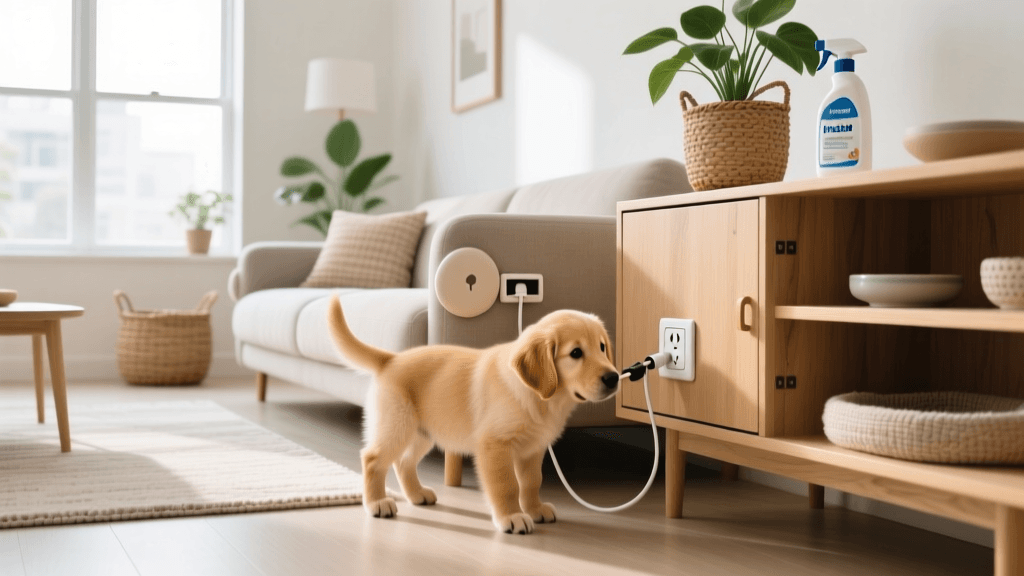
- Enzymatic Eradication: Standard household cleaners do not break down uric acid crystals. You must use an enzymatic cleaner like Nature's Miracle Advanced Stain and Odor Eliminator (approx. $12). Saturate the area, let it sit for 15 minutes, and blot dry. If the dog can smell the residual urine, they will instinctively remark the spot.
- The Umbilical Cord Method: For the first 48 hours, do not give the dog free roam of the house. Use a 6-foot hands-free leash to tether the dog to your waist while you are home. This prevents them from sneaking into a corner to soil and allows you to catch their pre-potty signals, such as intense sniffing or tight circling.
- Hydration Scheduling: Pick up water bowls exactly two hours before bedtime to reduce nighttime bladder pressure, ensuring ample hydration is available during active daytime hours.
Problem 3: Refusal to Eat or Drink
Diagnosis: Stress Anorexia and Routine Disruption
It is incredibly common for dogs to skip their first few meals in a new environment. The ASPCA notes that stress-induced anorexia occurs when a dog's sympathetic nervous system (fight-or-flight response) suppresses their digestive drive. Additionally, the acoustics of a new kitchen or the reflective material of a new stainless steel food bowl can cause sensory aversion.
Solutions:
- Enhance Palatability and Aroma: If your dog is ignoring dry kibble, add two tablespoons of low-sodium chicken bone broth (ensure it contains no onions or garlic) or warm water to the food. Heating the food to roughly 100°F releases volatile aromas that stimulate the appetite.
- Ditch the Bowl: Metal bowls can create loud clanging noises on hard floors, startling nervous dogs. For the first 48 hours, serve meals on a silicone lick mat or hand-feed the kibble during bonding sessions to build positive associations with food and your presence.
- Probiotic Support: Stress wreaks havoc on the canine gut microbiome, leading to nervous stomachs and loose stools. Sprinkle a packet of Purina Pro Plan FortiFlora (approx. $30 for a 30-day supply) over their food to encourage eating while stabilizing their digestive tract.
Problem 4: Destructive Chewing and Nipping
Diagnosis: Displacement Behavior and Overstimulation
When a dog is overwhelmed by a new environment, they often resort to displacement behaviors. Chewing on baseboards, shoes, or nipping at hands is rarely malicious; it is a coping mechanism to self-soothe and burn off nervous energy. Puppies are also likely navigating the discomfort of teething, compounding the urge to gnaw on hard surfaces.
Solutions:
- Temperature-Textured Outlets: Provide a classic red KONG toy (approx. $15) stuffed with a mixture of plain Greek yogurt and mashed bananas, then frozen solid for 12 hours. The cold numbs teething gums, while the extraction process provides vital mental fatigue.
- Environmental Management: Use a pet-safe deterrent like Grannick's Bitter Apple Spray (approx. $10) on baseboards and furniture legs. Apply it twice daily for the first week. The intensely bitter taste interrupts the chewing cycle and redirects the dog to appropriate toys.
- Enforced Nap Times: Puppies and newly adopted dogs often become 'overtired toddlers,' leading to manic biting. Enforce a crate nap for 90 minutes after every 60 minutes of wakefulness to reset their nervous system.
Quick Troubleshooting Guide for the First 48 Hours
| Problem | Root Cause | Immediate Solution | Recommended Product & Cost |
|---|---|---|---|
| Nighttime Crying | Environmental shock, isolation | Heartbeat toy, bedroom crate placement | Snuggle Puppy (~$45) |
| Indoor Potty Accidents | Stress frequency, scent confusion | Enzymatic cleaning, waist-tethering | Nature's Miracle (~$12) |
| Refusal to Eat | Stress anorexia, bowl aversion | Warm bone broth, hand-feeding | FortiFlora Probiotic (~$30) |
| Destructive Chewing | Displacement behavior, teething | Frozen extraction toys, bitter sprays | KONG Classic & Bitter Apple (~$25) |
When to Call the Vet: Red Flag Symptoms
While the issues outlined above are normal behavioral adjustments, certain physiological symptoms within the first 48 hours require immediate veterinary intervention. If your new dog exhibits persistent vomiting, bloody diarrhea, extreme lethargy, or a complete refusal to drink water for more than 12 hours, bypass behavioral troubleshooting and contact your veterinarian immediately. These can be signs of underlying illnesses like parvovirus, intestinal parasites, or severe dehydration that were incubating prior to adoption. By accurately diagnosing normal stress responses versus medical emergencies, you set the foundation for a long, healthy, and trusting relationship with your new companion.
tom-renshaw
All our authors care for dogs every day — read more of their work on the authors page.