Winter Puppy Care: Cold Weather Safety and Fun Indoor Activities
Discover essential winter puppy care tips, from cold weather safety limits and paw protection to engaging indoor activities for your growing dog.
Understanding Your Puppy's Cold Tolerance
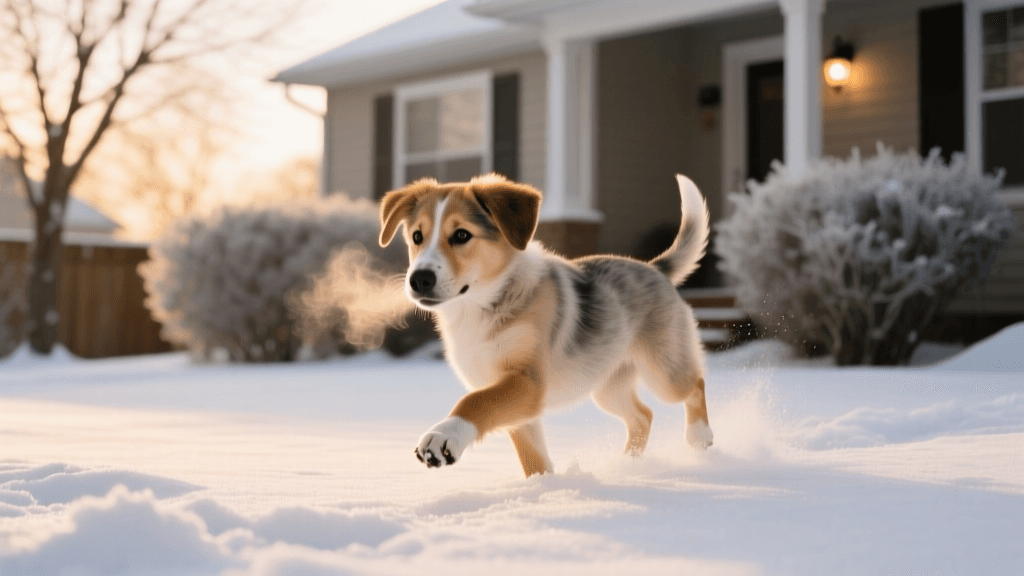
Winter brings a magical transformation to the outdoors, but for a young puppy, it introduces a host of unique environmental challenges. Unlike adult dogs, puppies have not yet fully developed their thermoregulation systems. They possess less body fat, thinner coats, and a higher surface-area-to-mass ratio, meaning they lose body heat significantly faster than mature dogs. According to the American Kennel Club (AKC), puppies, alongside senior dogs and small breeds, are at the highest risk for hypothermia and frostbite when exposed to freezing temperatures.
It is a common misconception that all dogs are naturally equipped for winter weather. While a Siberian Husky or Alaskan Malamute puppy might have a genetic predisposition to tolerate the cold better, breeds like Chihuahuas, Greyhounds, and French Bulldogs require meticulous protection. Even cold-weather breeds need gradual acclimation and should never be left outside unsupervised in freezing conditions. Understanding your specific puppy's limits is the first step in ensuring a safe, healthy, and happy first winter.
Essential Winter Gear for Puppies
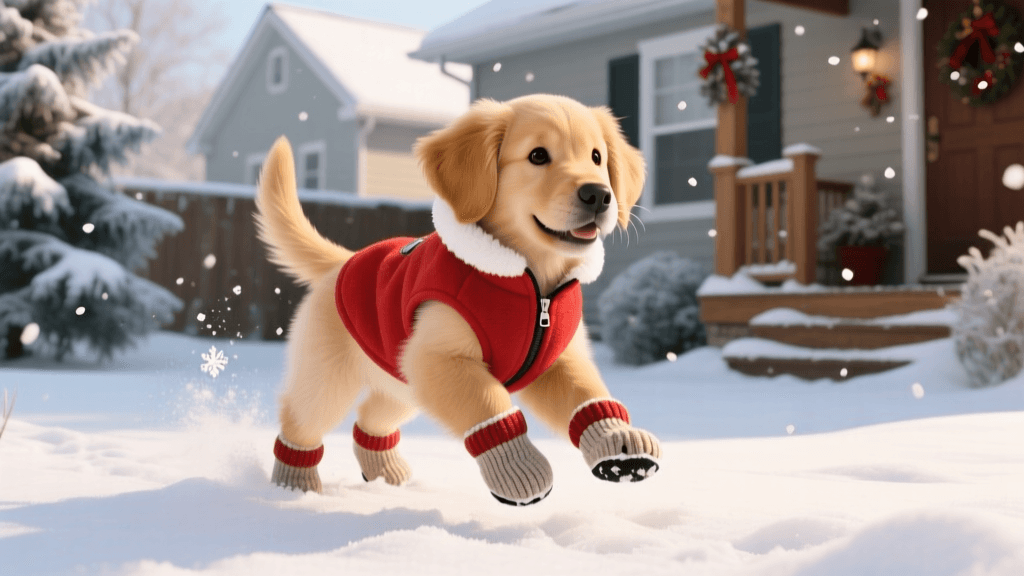
Equipping your puppy with the right winter gear is not just about fashion; it is a critical health and safety measure. When shopping for winter apparel, always measure your puppy's neck, chest girth, and back length (from the base of the neck to the base of the tail) to ensure a snug but comfortable fit. Gear that is too loose can catch on branches or cause tripping hazards, while gear that is too tight can restrict breathing and movement.
| Gear Type | Primary Purpose | Estimated Cost | Recommended Brands |
|---|---|---|---|
| Insulated Jacket | Core warmth and wind protection | $30 - $70 | Ruffwear, Kurgo, Hurtta |
| Dog Booties | Paw protection from ice, snow, and salt | $25 - $60 | Muttluks, Ruffwear Grip Trex |
| Paw Wax/Balm | Barrier against chemical ice melts | $15 - $25 | Musher's Secret, Natural Dog Company |
| LED Collar/Light | Visibility during early evening walks | $15 - $30 | Illumiseen, Nite Ize |
Pro-Tip for Booties: Puppies rarely take to booties on the first try. Introduce them indoors, one paw at a time, pairing the experience with high-value treats like freeze-dried liver or small pieces of boiled chicken. Let them wear the booties for five minutes during indoor play sessions before venturing outside.
Paw Protection and Post-Walk Care
The chemicals used to melt ice on sidewalks and roads pose a severe threat to puppies. Common ice melts containing sodium chloride, calcium chloride, or potassium chloride can cause chemical burns on delicate paw pads. Furthermore, if a puppy licks their paws after a walk, ingesting these toxic salts can lead to gastrointestinal distress, vomiting, and in severe cases, neurological issues. The ASPCA strongly advises pet owners to wipe their animals' paws immediately after coming indoors to remove any residual chemicals.
Establish a strict post-walk routine. Keep a dedicated 'paw station' by your front door equipped with a portable paw washer (such as the Dexas MudBuster, which costs around $15-$20), a bottle of lukewarm water, and highly absorbent microfiber towels. Gently wash each paw, paying special attention to the spaces between the toes where ice balls and salt granules tend to accumulate. After drying, apply a thin layer of dog-safe paw balm to soothe and moisturize any cracked skin caused by the harsh winter air.
Safe Outdoor Time Limits by Temperature
Knowing exactly how long your puppy can safely stay outside is crucial. Wind chill and dampness can make the air feel significantly colder than the thermometer reads. Use the following structured guide to manage your puppy's outdoor potty breaks and play sessions:
- Above 45°F (7°C): Normal outdoor play and training sessions are generally safe. Monitor for wind chill and ensure your puppy has access to unfrozen drinking water.
- 32°F to 45°F (0°C to 7°C): Limit outdoor exposure to 15-20 minutes for small, short-haired, or young puppies. Larger, double-coated breeds may tolerate up to 30 minutes of active play.
- 20°F to 32°F (-6°C to 0°C): Maximum 10 minutes outside. Outings should be strictly for potty breaks and light leash walking. Winter coats are mandatory for all puppies in this range.
- Below 20°F (-6°C): Avoid prolonged outdoor exposure entirely. Potty breaks should be kept under 5 minutes, and puppies must be fully suited in insulated jackets and booties. If your puppy lifts their paws alternately, shivers, or whines, bring them inside immediately.
Engaging Indoor Activities for Winter Days
When the weather is too severe for outdoor exercise, puppies can quickly develop 'cabin fever,' leading to destructive chewing, excessive barking, and hyperactivity. Mental stimulation is just as tiring as physical exercise; in fact, 15 minutes of intense sniffing and problem-solving can burn as much energy as a one-mile walk. Here are several highly effective indoor activities to keep your puppy engaged:
1. Snuffle Mats and Scent Work
A snuffle mat ($20-$40) is a fabric mat with deep fleece strips designed to hide dry kibble or treats. By forcing your puppy to use their nose to forage for their meal, you tap into their natural scavenging instincts. To elevate this game, hide small piles of treats around a single room and encourage your puppy to 'find it.' This foundational scent work builds confidence and tires them out mentally.
2. Frozen Enrichment Toys
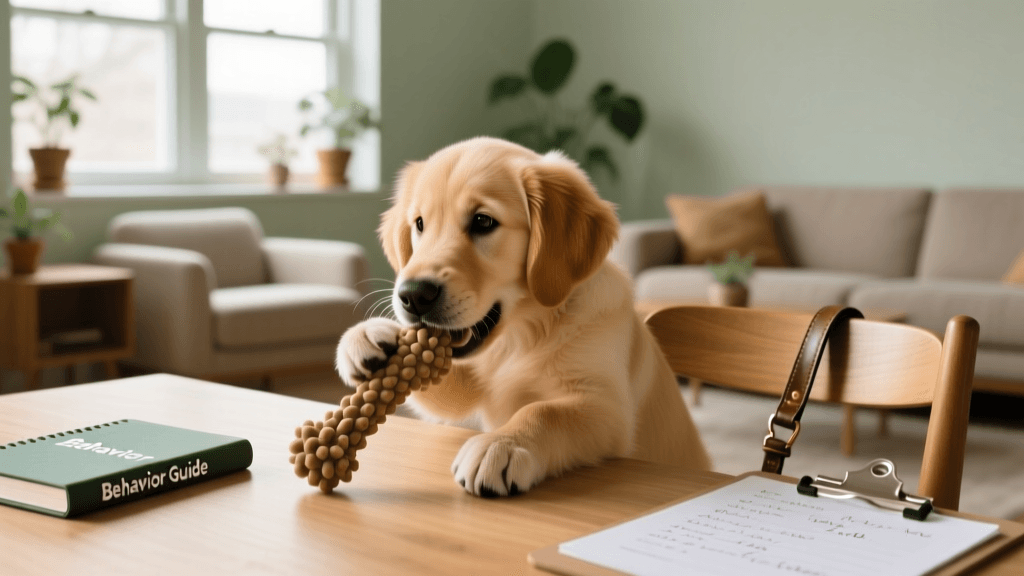
Food puzzles are excellent for keeping a teething puppy occupied. Take a classic rubber Kong toy and layer it with puppy-safe ingredients. A great winter recipe includes a base of plain, unsweetened canned pumpkin (not pie filling), mixed with a tablespoon of plain Greek yogurt and some of their daily kibble. Freeze the toy for at least four hours. The cold texture will also help soothe inflamed gums if your puppy is in the midst of the teething phase (typically between 3 and 6 months of age).
3. Indoor Flirt Pole Sessions
A flirt pole ($20-$35) is essentially a giant cat wand for dogs. It consists of a long pole with a bungee cord and a lure toy attached. This is fantastic for burning off high-energy prey drive in a small space like a hallway or living room. Safety Warning: Keep the lure low to the ground and avoid encouraging your puppy to make high-impact jumps or sharp, twisting turns, as their growth plates are still open and highly susceptible to orthopedic injury.
Winter Health, Hydration, and Nutrition
Winter air, combined with indoor central heating, creates an incredibly dry environment that can lead to flaky skin, dull coats, and respiratory irritation. The Humane Society of the United States recommends monitoring your pet's skin health closely during the winter months. Consider running a cool-mist humidifier in the rooms where your puppy spends the most time, particularly where they sleep at night.
Nutritionally, you may need to adjust your puppy's diet based on their activity levels. If your puppy is spending significantly less time exercising outdoors due to the cold, you may need to slightly reduce their caloric intake to prevent rapid, unhealthy weight gain, which puts stress on developing joints. Conversely, if you have an active working breed that continues to train and hike in the snow, they may require a caloric increase to maintain their core body temperature. Always consult with your veterinarian before making significant changes to your puppy's feeding schedule or introducing new supplements, such as Omega-3 fish oils, which can help combat winter skin dryness and support cognitive development.
Conclusion
Winter puppy care requires a delicate balance of vigilant safety precautions and creative indoor engagement. By investing in proper cold-weather gear, strictly monitoring outdoor time limits, and providing robust mental enrichment inside the home, you can ensure your puppy navigates their first winter safely. Embrace the season, prioritize their comfort, and use the indoor time to deepen your training bond before the spring thaw arrives.
anouk-beaumont
All our authors care for dogs every day — read more of their work on the authors page.