Science-Backed Puppy Socialization and Fear Periods
Discover the science behind puppy socialization windows and fear periods. Learn actionable, vet-backed steps to build a confident, well-adjusted adult dog.
The Neurological Window: Why Weeks 3 to 14 Matter
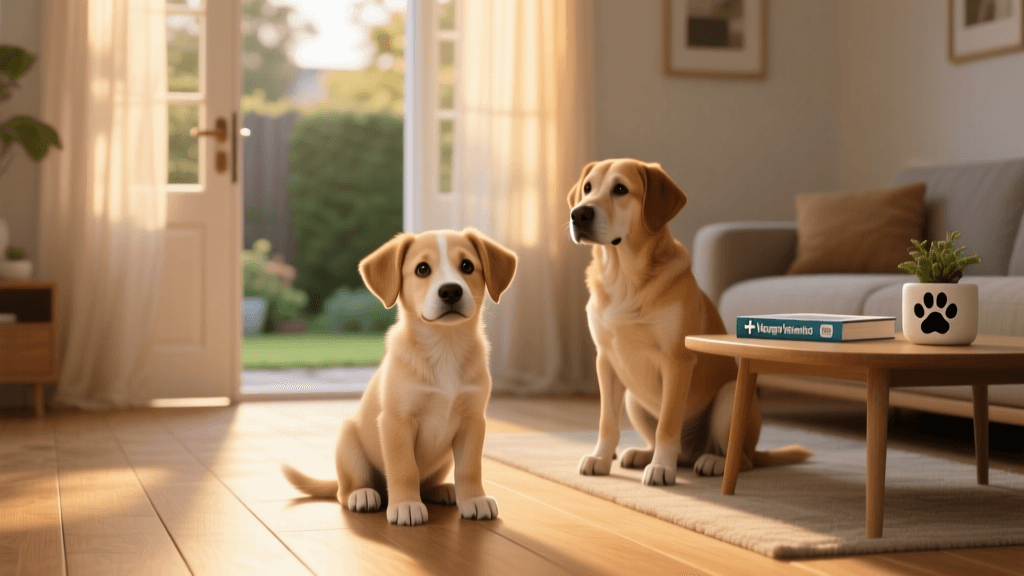
Raising a puppy is fundamentally an exercise in applied neuroscience. When we discuss puppy socialization, we are not merely talking about letting your dog play with other puppies in a park. From a neurobiological perspective, socialization is the critical process of habituation and synaptic mapping. During the first few months of a puppy's life, their brain is highly plastic, meaning neural pathways are being formed and pruned at an astonishing rate based on environmental stimuli.
The primary socialization window occurs between 3 and 14 weeks of age. During this time, a puppy's brain is wired to approach novel stimuli with curiosity rather than fear. The amygdala—the brain's fear center—is relatively underdeveloped compared to the prefrontal cortex's exploratory drive. This biological mechanism is an evolutionary trait designed to help young canids learn about their environment, pack members, and safe food sources before their survival instincts shift toward caution and territoriality.
The American Veterinary Society of Animal Behavior (AVSAB) strongly emphasizes that the risk of under-socialization far outweighs the risk of infectious diseases like parvovirus in controlled environments. Puppies that miss this neurological window are statistically much more likely to develop fear-based aggression, generalized anxiety, and reactivity later in life. Therefore, proactive, science-backed exposure is not optional; it is a veterinary necessity.
Understanding the Two Canine Fear Periods
Even with perfect early socialization, puppies will inevitably go through distinct developmental phases known as "fear periods." During these windows, the brain undergoes rapid structural changes, and cortisol (the stress hormone) spikes more easily. A single traumatic event during a fear period can cause "one-trial learning," where the puppy permanently associates a specific stimulus with a life-threatening danger.
The First Fear Period (8 to 11 Weeks)
This period often coincides with the time a puppy leaves their litter and joins a new family. From an evolutionary standpoint, this is the exact age when a wild canid would start venturing just outside the den, making a heightened sense of caution necessary for survival. During these weeks, your puppy may suddenly appear terrified of objects they previously ignored, such as a flapping trash bag or a person wearing a hat.
Actionable Advice: Avoid overwhelming environments like crowded pet stores or loud dog parks during weeks 8 through 11. Instead, focus on low-stress, controlled exposures. If your puppy shows fear, do not force them to approach the stimulus. Allow them to observe from a distance where they remain under their stress threshold, and use high-value treats to create a positive classical conditioning association.
The Second Fear Period (6 to 14 Months)
The second fear period is less predictable and can last anywhere from two to four weeks. It aligns with sexual maturity and a massive surge in hormones, alongside significant brain pruning. According to behavioral experts cited by the American Kennel Club (AKC), dogs may suddenly exhibit wariness toward familiar people, new environments, or specific sounds. This is a normal developmental stage where the dog is testing boundaries and re-evaluating threats as they transition into adulthood.
Actionable Advice: Maintain your training routines but lower your criteria for success. If your 9-month-old puppy suddenly refuses to walk past a fire hydrant they have passed a hundred times, do not punish or drag them. Use a cheerful voice, toss high-value treats away from the hydrant to disengage their amygdala, and reward them for any voluntary movement forward.
Actionable Socialization Plan: Metrics and Milestones
Effective socialization requires tracking data and measuring your puppy's stress signals. Habituation is achieved when a puppy's heart rate and respiratory rate remain stable in the presence of a novel stimulus. Below is a science-backed framework for structuring your puppy's weekly exposure plan, complete with recommended tools and estimated costs.
| Stimulus Category | Neurological Goal | Practical Exercise | Tools & Estimated Costs |
|---|---|---|---|
| Novel Surfaces | Proprioceptive confidence and vestibular development | Walking on bubble wrap, metal grates, and wobble boards | Textured sensory mats ($20-$40) |
| Auditory Processing | Desensitization to sudden decibel spikes | Playing recorded thunderstorms at 20dB, gradually increasing | Calming classical music playlist (Free / $10 subscription) |
| Visual Stimuli | Preventing visual reactivity and stalking behaviors | Observing traffic or bicycles from a 15-foot distance | 6-foot Biothane leash for secure control ($25-$35) |
| Tactile Handling | Reducing veterinary and grooming stress | Gently touching paws, ears, and teeth while feeding | Canine toothbrush and enzymatic paste ($12-$18) |
Science-Backed Techniques for Overcoming Fear
When a puppy encounters a trigger that pushes them over their stress threshold, their prefrontal cortex essentially goes offline, and the amygdala takes over. In this state, learning cannot occur. The scientifically validated protocol for addressing this is Desensitization and Counter-Conditioning (DS/CC).
Step 1: Identify the Threshold Distance
Find the exact distance at which your puppy notices the trigger but does not exhibit stress signals (e.g., lip licking, yawning, whale eye, or trembling). This might be 10 feet away from a loud generator or 20 feet away from an unfamiliar dog.
Step 2: Implement Classical Conditioning
The moment the trigger appears, begin feeding high-value, nutrient-dense treats. The goal is to change the brain's chemical response from a cortisol spike to a dopamine release. Use treats that are pea-sized (3-5 calories each) to prevent satiation. Excellent options include freeze-dried beef liver (approx. $18 for a 3oz bag) or Zuke's Mini Naturals (approx. $6 for a 6oz bag).
Step 3: Systematic Desensitization
Over multiple sessions spanning several weeks, decrease the distance to the trigger by just 1 to 2 feet at a time. If your puppy shows any signs of stress, you have moved too quickly. Increase the distance immediately and return to the previous successful threshold. Remember that cortisol has a half-life in the canine bloodstream; if your puppy experiences a severe fear response, it can take up to 72 hours for their nervous system to fully return to baseline. Plan your training schedule accordingly to avoid "trigger stacking."
Measuring Success Through Canine Body Language
Science-backed puppy care relies heavily on the owner's ability to read subtle canine body language. A wagging tail does not universally indicate happiness; a stiff, high, rapid wag often indicates arousal and potential reactivity. True relaxation is characterized by a loose, wiggly body, soft eyes, a relaxed jaw, and a willingness to take treats gently. If your puppy begins to chomp down hard on treats or spit them out, this is a clear biometric indicator that their sympathetic nervous system is engaged, and they are over threshold.
Conclusion
Navigating the first year of your puppy's life requires patience, observation, and a respect for their neurological development. By understanding the critical socialization window and anticipating the inevitable fear periods, you can proactively shape your dog's brain architecture. Utilize high-value reinforcement, respect their stress thresholds, and rely on data-driven exposure plans. The result will be a resilient, confident, and emotionally regulated adult dog capable of navigating the complexities of the human world with ease.
beth-carrasco
All our authors care for dogs every day — read more of their work on the authors page.