Winter Puppy Care: Cold Weather Safety and Activities
Discover essential winter puppy care tips, from paw protection and cold-weather gear to engaging indoor activities that keep your young dog safe and happy.
Introduction to Winter Puppy Care
Bringing a new puppy home is an exhilarating experience, but when the calendar flips to the colder months, it introduces a unique set of challenges. A puppy's first year is packed with critical developmental milestones, teething phases, and vital socialization windows. When winter arrives, the dropping temperatures, icy sidewalks, and shorter days can disrupt your carefully planned training and exercise routines. However, with the right seasonal care strategies, you can ensure your young dog remains safe, warm, and mentally stimulated throughout their first winter.
Unlike adult dogs, puppies have not yet developed the robust thermoregulation systems required to handle extreme temperature fluctuations. Their smaller body mass and higher surface-area-to-volume ratio mean they lose heat much faster than mature canines. According to the American Society for the Prevention of Cruelty to Animals (ASPCA), young puppies are particularly susceptible to cold-weather hazards, making proactive winter care an absolute necessity for responsible pet owners.
Understanding Your Puppy's Cold Tolerance
Not all puppies experience the cold in the same way. A Siberian Husky puppy will naturally tolerate lower temperatures much better than a hairless Chinese Crested or a short-coated Chihuahua. However, regardless of breed, no puppy under the age of six months should be left outdoors in freezing conditions for extended periods. Understanding the specific temperature thresholds is crucial for planning your daily potty breaks and outdoor socialization walks.
Temperature Thresholds for Puppies
- 45°F (7°C) and below: Cold-averse breeds, toy breeds, and puppies with single coats will begin to feel uncomfortable. Limit outdoor time and monitor for shivering.
- 32°F (0°C) and below: Freezing point. Small breeds, short-haired breeds, and very young puppies must wear protective outerwear. Outdoor excursions should be strictly for potty breaks and brief, structured walks.
- 20°F (-6°C) and below: Dangerous for all puppies. Limit outdoor exposure to 5 to 10 minutes maximum for bathroom breaks only. Rely entirely on indoor enrichment and activities for exercise.
Essential Winter Gear for Puppies
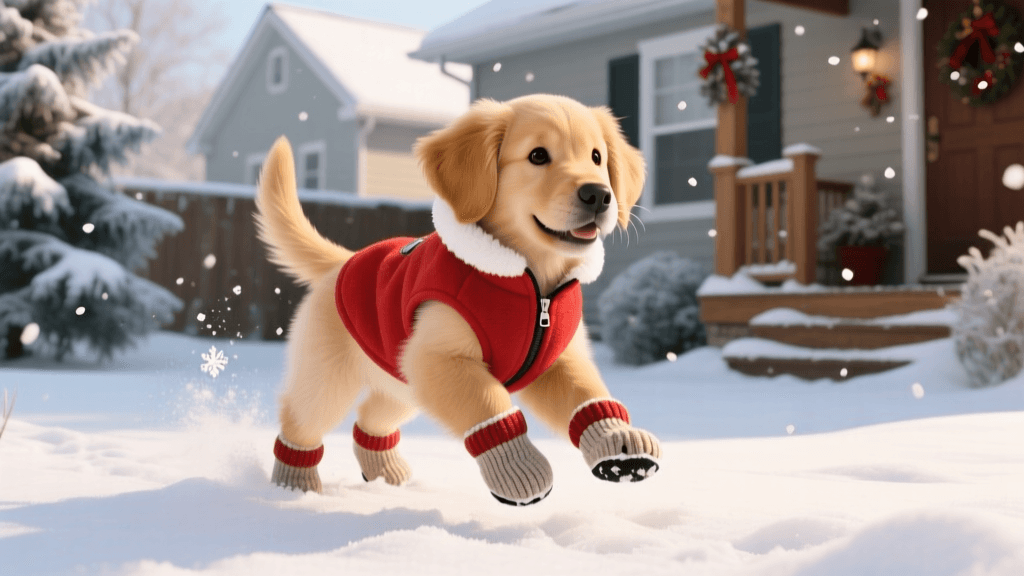
Investing in high-quality winter gear is not just a fashion statement; it is a vital health precaution. When shopping for puppy apparel, look for items that allow full range of motion so your puppy can comfortably squat to eliminate and walk without chafing. The American Kennel Club (AKC) recommends introducing clothing gradually, using high-value treats to build a positive association with sweaters and booties before the weather turns severe.
| Gear Type | Best For | Estimated Cost | Pros | Cons |
|---|---|---|---|---|
| Fleece Sweater | Short-haired breeds in mild cold | $15 - $30 | Retains core heat; easy to put on | Does not protect legs or belly from wind |
| Waterproof Parka (e.g., Ruffwear) | Wet, snowy, and windy climates | $40 - $80 | Full coverage; blocks wind and moisture | Can restrict movement if improperly sized |
| Paw Wax (e.g., Musher's Secret) | Ice and chemical salt protection | $15 - $25 | Soothes pads; easy to apply | Requires frequent reapplication on long walks |
| Silicone Booties (e.g., Pawz) | Deep snow and heavy de-icer use | $15 - $20 | Complete barrier against chemicals and ice | Puppies may resist wearing them initially |
Paw Protection and Maintenance
The winter ground is a minefield for delicate puppy paws. Municipalities frequently use rock salt and chemical de-icers (like calcium chloride) to melt ice on sidewalks. These chemicals can cause severe irritation, chemical burns, and toxic reactions if your puppy licks their paws after a walk. Furthermore, ice balls can form between the toe pads, causing painful cracking and bleeding.
Before heading outside, apply a generous layer of a natural paw wax, such as Musher's Secret Paw Protection Wax, to create a semi-permeable shield against the elements. Upon returning indoors, never let your puppy jump straight onto the carpet or furniture. Keep a damp, warm towel by the door and meticulously wipe down every paw pad, toe webbing, and the lower belly to remove any residual salt or antifreeze. If your puppy has long fur between their toes, carefully trim it with blunt-nosed grooming scissors to prevent ice ball accumulation.
Crucial Winter Socialization Strategies
A puppy's primary socialization window closes between 12 and 16 weeks of age. If this critical period coincides with the dead of winter, you cannot afford to pause socialization just because it is cold outside. Lack of early exposure can lead to fear-based behavioral issues later in life. The Humane Society of the United States emphasizes that while physical safety is paramount, mental and social development must continue year-round.
To safely socialize a young puppy in freezing weather, utilize a structured puppy sling or a pet-safe backpack carrier. This allows you to carry your puppy through large, dog-friendly hardware stores (like Home Depot or Lowe's), pet supply stores, and busy shopping centers. Your puppy will be exposed to novel sights, sounds, surfaces, and strangers without their paws ever touching the freezing ground. Always keep a stash of training treats in your pocket to reward calm behavior and build positive associations with these new environments.
Engaging Indoor Activities and Enrichment
When the temperature plummets and outdoor walks are reduced to quick potty breaks, puppies still have boundless energy that needs an outlet. Failing to provide adequate mental and physical stimulation indoors will inevitably result in destructive chewing, excessive barking, and hyperactivity. Fortunately, 15 minutes of intense mental enrichment can tire a puppy out just as much as a 45-minute outdoor walk.
Scent Work and Puzzle Toys
Dogs process the world primarily through their noses. Engaging their olfactory senses is an excellent way to burn energy indoors. Invest in a high-quality Snuffle Mat (typically $20-$35) and hide your puppy's daily kibble ration within the fabric strips. Alternatively, use hollow rubber toys like the KONG Puppy Goodie Bone. Stuff the toy with a mixture of plain canned pumpkin, puppy-safe peanut butter (strictly xylitol-free), and plain yogurt, then freeze it overnight. This provides a soothing, long-lasting activity that also helps numb the gums during the painful teething phase.
Indoor Agility and Obedience
Transform your living room into a mini agility course using household items. Use a broomstick balanced on two stacks of books as a low jump, drape a blanket over two chairs to create a tunnel, and use sofa cushions as a balancing platform. Lure your puppy through the course using small pieces of boiled chicken or freeze-dried liver. This not only burns physical energy but also builds confidence, body awareness, and reinforces foundational obedience cues like 'sit', 'down', and 'target' in a distraction-free environment.
Adjusting Nutrition and Hydration
It is a common misconception that all dogs need more food in the winter. While working sled dogs require a massive caloric increase, the average household puppy is actually spending less time exercising outdoors during the winter months. If you reduce your puppy's outdoor walks but continue to feed them the same volume of high-calorie puppy food, you risk accelerating their growth rate too quickly or causing early-onset obesity, which puts dangerous stress on developing joints.
Monitor your puppy's body condition score weekly. You should be able to feel their ribs easily without pressing hard, and they should have a visible waist when viewed from above. Conversely, ensure their hydration remains constant. Indoor heating systems drastically reduce ambient humidity, which can lead to dehydration. Provide multiple bowls of fresh, room-temperature water throughout the house, and consider adding a tablespoon of warm, low-sodium bone broth (onion and garlic-free) to their meals to encourage fluid intake.
Recognizing Cold Stress and Frostbite
Even with the best preparation, accidents happen. It is vital to know the physical signs of cold stress and hypothermia in puppies. Early signs include violent shivering, whining, slowing down, or anxiously lifting paws off the ground. If you observe any of these behaviors, pick up your puppy immediately, wrap them in a pre-warmed blanket, and head indoors.
Frostbite most commonly affects the extremities: the tips of the ears, the tail, and the paw pads. Frostbitten skin will initially appear pale, gray, or bluish, and will feel unusually cold or brittle to the touch. As the tissue warms, it may become red, swollen, and extremely painful. If you suspect frostbite, do not rub the affected area, as this can cause severe tissue damage. Instead, apply warm (not hot) compresses and contact your emergency veterinarian immediately.
Conclusion
Winter puppy care requires a delicate balance between protecting your young dog from the harsh elements and ensuring they receive the developmental experiences necessary to grow into a well-adjusted adult dog. By investing in proper protective gear, maintaining a strict paw-care routine, and getting creative with indoor enrichment and socialization, you can turn the coldest months of the year into a rewarding and safe bonding experience. Remember, your puppy looks to you for guidance and protection; with these seasonal strategies in place, you are fully equipped to navigate their first winter with confidence.
tom-renshaw
All our authors care for dogs every day — read more of their work on the authors page.