Winter Paw Protection and Joint Care for Senior Dogs
Protect your senior dog this winter. Discover actionable tips for paw care, cold-weather joint support, and safe outdoor activities to keep them comfortable.
The Hidden Toll of Winter on Canine Health
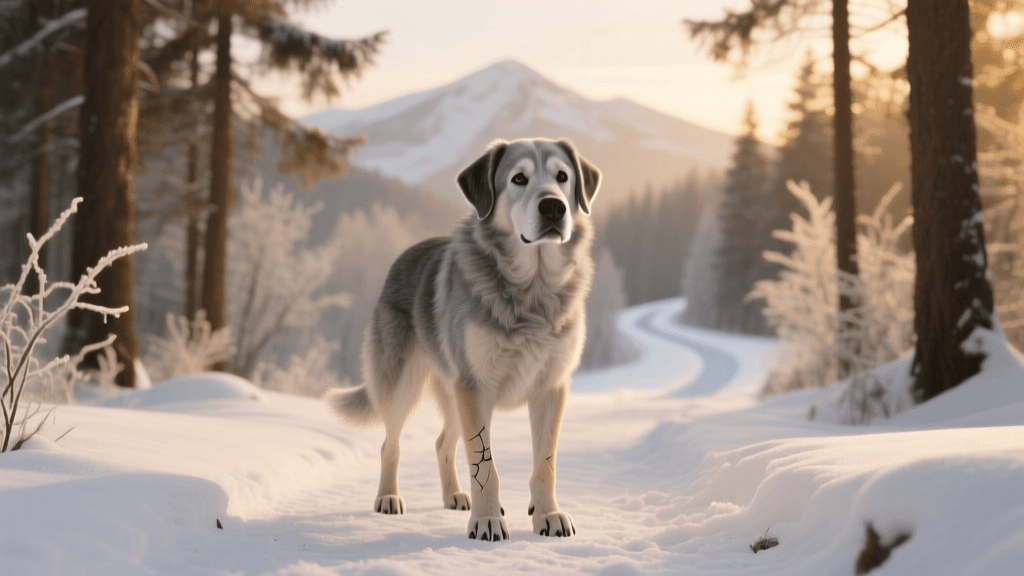
Winter brings a magical transformation to the outdoors, but for our canine companions—especially senior dogs—the drop in temperature introduces a host of hidden health hazards. While puppies might bound through the snow with reckless abandon, older dogs face significant physiological challenges when the mercury drops. From the corrosive effects of chemical de-icers on delicate paw pads to the stiffening of arthritic joints, winter requires a proactive, highly specific approach to canine care. According to the American Society for the Prevention of Cruelty to Animals (ASPCA), winter pet care must go beyond simply providing a warm coat; it requires meticulous attention to extremities and joint mobility to prevent long-term damage and acute discomfort.
Paw Protection: Guarding Against Ice, Salt, and Frostbite
A dog's paw pads are remarkably resilient, but they are not impervious to extreme cold and harsh chemicals. The primary culprit for winter paw damage is not just the ice itself, but the chemical de-icers used on sidewalks and driveways. Common ice melts containing sodium chloride, calcium chloride, or magnesium chloride can cause severe chemical burns, drying, and cracking on a dog's paw pads. Furthermore, if a dog licks their paws after a walk, ingesting these toxic salts can lead to gastrointestinal distress and, in severe cases, neurological issues.
The Actionable Paw Care Routine
To protect your senior dog's paws, you must implement a strict pre-walk and post-walk routine. Here is a highly effective, step-by-step protocol:
- Pre-Walk Protection (15 Minutes Before): Apply a high-quality, food-grade paw wax. Musher's Secret Dog Paw Wax (approximately $16 for a 2oz tin) is an industry standard. It creates a semi-permeable barrier that prevents snow from balling up between the toes and shields the pads from salt. Massage a generous layer into the pads and the crevices between the toes 15 minutes before heading outside to allow the beeswax and vitamin E to absorb slightly.
- Physical Barriers (Booties): For extended walks or dogs with severe pad sensitivity, invest in dog boots. The Ruffwear Grip Trex Dog Boots (approximately $95 for a set of four) offer excellent traction and protection. Measurement Tip: Measure your dog's paw width by having them stand on a piece of paper, marking the widest point of the splayed paw, and measuring in millimeters. Ruffwear sizes range from 38mm to 89mm. Ensure the boots are snug but do not restrict circulation.
- Post-Walk Decontamination (Within 5 Minutes): The moment you return indoors, remove any booties and wash your dog's paws with lukewarm (not hot) water to dissolve and rinse away residual salts and antifreeze. Dry the paws thoroughly with a microfiber towel, paying special attention to the spaces between the toes to prevent fungal or bacterial infections caused by trapped moisture. Follow up with a soothing balm containing shea butter or coconut oil to rehydrate the skin.
Cold-Weather Joint Health: Managing Arthritis in the Chill
Just as humans feel stiff and achy on cold mornings, dogs with osteoarthritis experience exacerbated pain during the winter months. The physiological reason for this lies in the synovial fluid, the lubricant within the joints. In colder temperatures, synovial fluid can thicken, increasing friction and stiffness in the joint capsule. Additionally, drops in barometric pressure, which often precede winter storms, can cause tissues to expand, putting painful pressure on already inflamed joints.
The Cornell University College of Veterinary Medicine notes that managing canine osteoarthritis requires a multimodal approach, combining environmental modifications, weight management, and targeted supplementation. Winter is the time to be most aggressive with this protocol.
Targeted Supplements and Orthopedic Support
- Omega-3 Fatty Acids: Fish oil is a potent anti-inflammatory. For a senior dog, look for a supplement with a high concentration of EPA and DHA. A general therapeutic dosage is 1,000 mg of combined EPA/DHA per 20 pounds of body weight daily. Brands like Nordic Naturals Omega-3 Pet provide verified, pure sources.
- Joint Protectants: Glucosamine, chondroitin, and ASU (avocado/soybean unsaponifiables) help protect cartilage. Dasuquin Advanced Soft Chews (approximately $65 for an 84-count bag for medium/large dogs) is a veterinarian-recommended option that includes these ingredients alongside boswellia extract for additional pain relief.
- Orthopedic Bedding: Cold floors are the enemy of arthritic joints. Elevate your dog off the ground with a high-quality orthopedic bed. The Big Barker 7-inch Orthopedic Dog Bed (starting around $240) uses therapeutic foam that will not flatten over time, providing crucial joint relief. Place the bed in a draft-free zone, away from exterior doors and single-pane windows.
Comparison Chart: Winter Paw Protection Strategies
| Protection Method | Best Used For | Estimated Cost | Pros & Cons |
|---|---|---|---|
| Paw Balms/Waxes | Short walks, urban sidewalks, salt protection | $12 - $20 | Pros: Easy to apply, conditions skin. Cons: Offers no physical barrier against sharp ice or extreme frostbite. |
| Dog Booties | Long hikes, deep snow, severe cold, ice crusts | $60 - $100 | Pros: Complete physical protection, excellent traction. Cons: Requires training for the dog to accept them, sizing can be tricky. |
| Paw Socks/Grips | Indoor slipping, light outdoor use on dry cold days | $15 - $25 | Pros: Comfortable, helps with indoor mobility on hardwood. Cons: Not waterproof, useless in wet snow or slush. |
Safe Winter Exercise Guidelines
Despite the cold, senior dogs still require mental stimulation and physical activity to prevent muscle atrophy, which worsens joint instability. The key is to modify the timing, duration, and intensity of the exercise. The American Kennel Club (AKC) recommends adjusting outdoor activities based on the ambient temperature and wind chill.
The 15-Minute Rule: For senior dogs or breeds with thin coats (like Greyhounds or Boxers), limit continuous outdoor exposure to 15-20 minutes when temperatures drop below 32°F (0°C). If the wind chill drops below 20°F (-6°C), outdoor time should be restricted to brief bathroom breaks only.
Timing is Everything: Schedule walks during the warmest part of the day, typically between 11:00 AM and 2:00 PM, when the sun is highest and the ground has had a chance to warm slightly. Avoid early morning and late evening walks when frost is most likely to form on the grass and pavement.
Indoor Alternatives: On days when the weather is too severe, substitute outdoor walks with indoor enrichment. Use snuffle mats to encourage foraging, set up low-impact indoor agility courses using couch cushions, or engage in short, 5-minute training sessions to keep their minds sharp without stressing their cold joints.
Conclusion
Winter care for senior dogs is not merely about keeping them warm; it is about preserving their mobility, comfort, and quality of life. By investing in proper paw protection, optimizing their joint health regimen with targeted supplements, and adapting their exercise routine to the realities of the cold, you can ensure your aging companion enjoys the winter season safely and pain-free. Always consult your veterinarian before introducing new supplements or if you notice a sudden increase in your dog's winter stiffness or limping.
marcus-aldridge
All our authors care for dogs every day — read more of their work on the authors page.