DIY Dog Bone Broth: Homemade Recipe for Joint Health
Learn how to make DIY dog bone broth at home. This easy, cost-effective recipe supports joint health, mobility, and digestion with natural collagen.
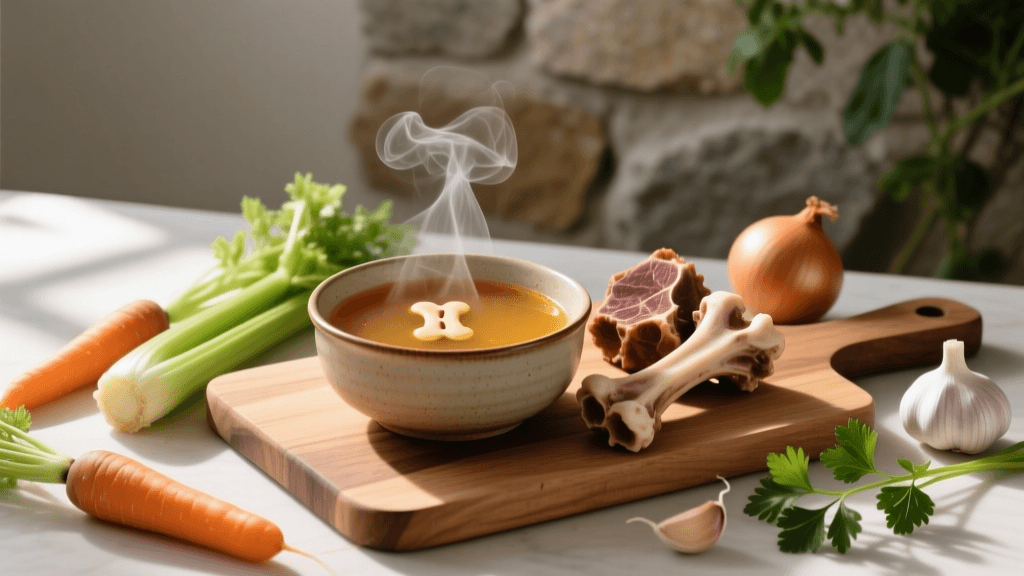
The Power of Bone Broth for Canine Joint Health
As our beloved dogs age, or if they belong to large, active breeds, joint issues such as osteoarthritis and hip dysplasia can significantly impact their quality of life. According to VCA Animal Hospitals, osteoarthritis is a degenerative joint disease that affects a significant percentage of senior dogs, leading to chronic pain and reduced mobility. While veterinary interventions and prescription medications are crucial for managing severe cases, many pet owners are turning to holistic, DIY nutritional support to complement their dog's care routine.
Enter DIY dog bone broth. Often hailed as a superfood in the holistic pet care community, bone broth is far more than just a flavorful treat. When simmered for extended periods, animal bones and connective tissues break down, releasing a potent matrix of bioavailable nutrients. These include collagen, gelatin, glucosamine, chondroitin, and hyaluronic acid, all of which are fundamental building blocks for cartilage repair and joint lubrication. By preparing this elixir at home, you control exactly what goes into your dog's body, ensuring a pure, additive-free supplement that supports joint health, gut lining integrity, and overall vitality.
DIY vs. Store-Bought: Why Homemade is the Superior Choice
Walking down the pet aisle, you will find dozens of commercial bone broths and joint supplements. However, making your own offers distinct advantages in terms of cost, ingredient transparency, and nutrient density. Many store-bought dog broths are heavily diluted, pasteurized at high temperatures which can degrade delicate amino acids, or contain hidden sodium and preservatives. More dangerously, human broths often contain alliums, which are highly toxic to canines. The ASPCA strictly warns against feeding dogs onions, garlic, and chives, as these ingredients can cause life-threatening hemolytic anemia.
Below is a comprehensive comparison to help you understand why the DIY route is the gold standard for joint health supplementation.
| Feature | DIY Homemade Bone Broth | Commercial Dog Broth | Human Broth / Bouillon | Synthetic Joint Pills |
|---|---|---|---|---|
| Cost per serving | $0.20 - $0.50 | $1.50 - $3.00 | $0.50 - $1.00 | $0.75 - $1.50 |
| Ingredient Control | 100% Transparent | Moderate | Low (Hidden Sodium) | N/A (Synthetic) |
| Toxicity Risk | None (if recipe followed) | Low | High (Onion/Garlic) | None |
| Nutrient Bioavailability | Very High (Natural matrix) | Moderate (Processing loss) | Low | Varies |
| Hydration Benefits | Excellent | Good | Poor (Sodium dehydrates) | None |
The Ultimate DIY Dog Bone Broth Recipe for Joints
To maximize the extraction of glucosamine and collagen, this recipe utilizes a mix of dense marrow bones and connective-tissue-rich chicken feet. Chicken feet are an incredible, budget-friendly source of natural chondroitin and glucosamine, specifically targeting joint cartilage health.
Ingredients & Sourcing
- 2 lbs Beef Marrow Bones or Knuckle Bones: Sourced from grass-fed, pasture-raised cattle to minimize heavy metal exposure. (Approximate cost: $6 to $10)
- 1 lb Raw Chicken Feet: Ensure nails are clipped if preferred, though they are safe to consume. (Approximate cost: $3 to $5)
- 2 Tablespoons Raw Apple Cider Vinegar (ACV): The acidity is crucial for leaching calcium, magnesium, and trace minerals from the bone matrix into the broth.
- 1 Cup Organic Carrots & Celery (Chopped): For added vitamins and a touch of natural sweetness. Avoid all alliums entirely.
- Filtered Water: Enough to cover the ingredients by 2 inches.
Step-by-Step Cooking Instructions
The secret to a medicinal, gelatinous bone broth is time. You can use a slow cooker, an Instant Pot, or a traditional stovetop. The slow cooker method is generally preferred for safety and ease.
- Prep the Bones: Place the beef bones and chicken feet into your slow cooker. Add the chopped carrots and celery.
- Acidify: Pour the raw apple cider vinegar over the bones and let it sit for 30 minutes before adding water. This resting period initiates the mineral extraction process.
- Submerge: Fill the slow cooker with filtered water until the ingredients are covered by about two inches.
- Simmer: Set the slow cooker to LOW. For beef bones and chicken feet, you must simmer for a minimum of 24 hours, ideally up to 48 hours. If using an Instant Pot, set to High Pressure for 120 minutes, followed by a natural release, though slow simmering yields a superior gel.
- Strain and Cool: Carefully strain the liquid through a fine-mesh sieve into glass mason jars or heat-safe bowls. Discard the cooked bones immediately. Never feed cooked bones to dogs, as they become brittle and pose a severe choking or intestinal perforation hazard.
- Skim the Fat: Refrigerate the broth for 12 hours. A thick layer of white fat or tallow will solidify at the top. Scoop this off and discard it or use it sparingly as a high-calorie treat for working dogs. The remaining liquid should be thick and jiggly, resembling gelatin. This is the pure collagen and joint-supporting matrix.
Customizing Your Broth for Targeted Wellness
One of the greatest advantages of the DIY approach is the ability to tailor the recipe to your dog's specific health profile. While the base recipe provides exceptional joint support, you can introduce functional, dog-safe herbs and spices to amplify the anti-inflammatory properties of the broth.
- Turmeric and Black Pepper: Curcumin, the active compound in turmeric, is a powerful natural anti-inflammatory that can help soothe aching joints. Add one teaspoon of organic turmeric powder during the last hour of cooking. Always include a tiny pinch of dog-safe black pepper, which increases curcumin absorption by up to 2,000 percent.
- Fresh Ginger Root: If your senior dog suffers from a sensitive stomach or occasional nausea alongside their mobility issues, add a few slices of fresh, peeled ginger root to the simmer. Ginger promotes healthy digestion and reduces gastrointestinal inflammation.
- Fresh Parsley: Stir in a handful of chopped fresh parsley during the final thirty minutes of simmering. Parsley is rich in vitamins K and C, and it acts as a natural breath freshener and kidney supporter.
Remember to always research any new botanical ingredient before adding it to your dog's diet, and consult with a holistic veterinarian if your dog is currently taking prescription medications, as some herbs can interact with pharmaceuticals.
Serving Guidelines and Storage Hacks
Because bone broth is rich in minerals and gelatin, it should be introduced slowly to avoid gastrointestinal upset. The American Kennel Club (AKC) recommends starting with small amounts and gradually increasing the serving size based on your dog's weight and tolerance.
Daily Serving Recommendations
- Small Dogs (Under 20 lbs): 1 to 2 tablespoons per day.
- Medium Dogs (20 - 50 lbs): 1/4 cup per day.
- Large Dogs (50 - 100 lbs): 1/2 cup per day.
- Giant Breeds (Over 100 lbs): Up to 1 cup per day.
Storage and Meal Prep
Homemade broth lacks commercial preservatives, meaning it will only last 4 to 5 days in the refrigerator. To make this a sustainable daily supplement, utilize silicone ice cube trays or muffin molds. Pour the cooled, fat-skimmed broth into the molds and freeze. Once solid, pop the broth pucks into a freezer-safe silicone bag. A standard ice cube is roughly 2 tablespoons, making it incredibly easy to portion out for small to medium dogs. Simply drop a frozen puck over your dog's kibble or thaw it in a small saucepan to pour over their evening meal. For senior dogs with dental issues, mixing the thawed broth with plain canned pumpkin puree creates a soothing, easily digestible mash that is highly palatable and gentle on aging teeth.
Safety Precautions and When to Consult Your Vet
While DIY bone broth is a phenomenal, natural adjunct to canine joint care, it is not a replacement for veterinary medicine. If your dog is exhibiting severe lameness, vocalizing in pain, or refusing to bear weight on a limb, consult your veterinarian immediately. Furthermore, bone broth is naturally rich in histamines due to the long cooking process. Dogs with severe histamine intolerance or specific mast cell tumor diagnoses should avoid slow-cooked bone broths. Finally, always ensure your broth is completely free of cooked bone fragments before serving, and never add salt, onions, garlic, or commercial seasoning blends to your homemade batches. By adhering to these safe, DIY practices, you can provide your furry companion with a deeply nourishing, joint-supporting superfood right from your own kitchen.
hannah-wickes
All our authors care for dogs every day — read more of their work on the authors page.