Budget-Friendly Dog Dental Care and Preventative Health
Discover budget-friendly dog dental care and preventative health tips. Save money on vet bills with these actionable, at-home dog wellness strategies.

The Financial Impact of Preventative Care
As a dog owner, watching your beloved companion age and face health challenges is emotionally taxing, but the financial burden of veterinary care can be equally stressful. With the cost of veterinary medicine rising year over year, many pet parents are forced to make difficult decisions about their dog's care. However, a proactive approach to your dog's health and wellbeing doesn't have to break the bank. By shifting your focus from reactive treatments to proactive, budget-friendly preventative care, you can save hundreds, if not thousands, of dollars over your dog's lifetime. This guide explores actionable, low-cost strategies for maintaining your dog’s dental hygiene, parasite prevention, and joint health without compromising on quality.
Budget-Friendly At-Home Dental Care
Periodontal disease is the most common clinical condition occurring in adult dogs, and it is largely preventable. By the age of three, most dogs show some evidence of periodontal disease. Professional veterinary dental cleanings, which require general anesthesia, pre-anesthetic bloodwork, and extractions if necessary, can easily cost between $500 and $1,500. Implementing a strict at-home dental routine is the single most effective way to protect your dog's teeth and your wallet.
Brushing Techniques and Affordable Products
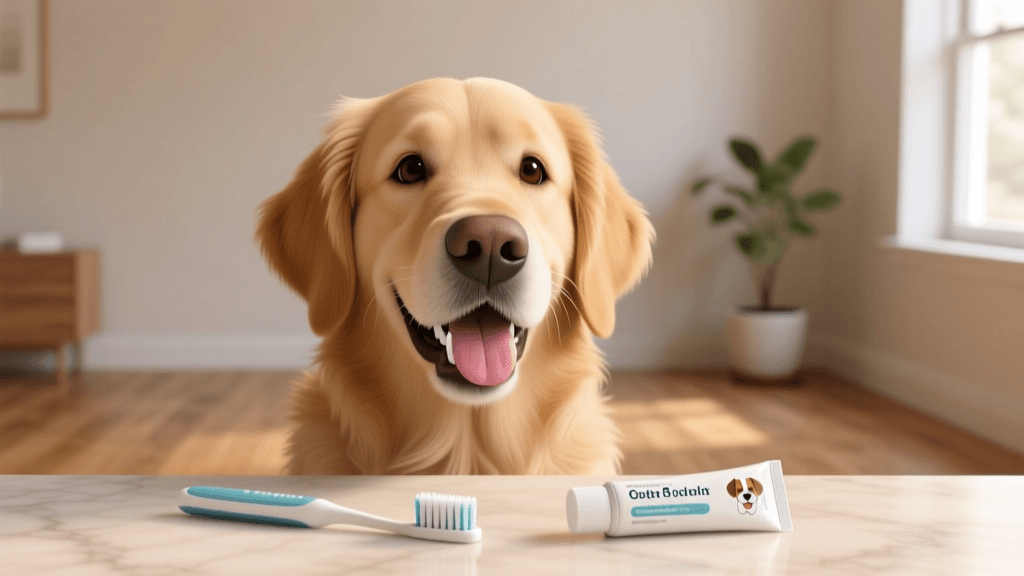
Daily tooth brushing remains the gold standard of canine dental care. You do not need expensive, battery-operated gadgets to achieve a deep clean. A simple dual-headed dog toothbrush or a silicone finger brush, paired with an enzymatic toothpaste, is highly effective. Enzymatic toothpastes, such as Virbac C.E.T. or Petrodex, contain enzymes that continue to break down plaque even after you finish brushing. A tube of enzymatic toothpaste costs between $8 and $12 and typically lasts for three to four months for a medium-sized dog. When brushing, focus on the outer surfaces of the teeth, angling the brush at a 45-degree angle to the gum line where plaque accumulates. For a comprehensive guide on proper technique, refer to the guidelines provided by the American Kennel Club (AKC).
Finding VOHC-Approved Chews on a Budget
If your dog absolutely refuses a toothbrush, or you need a supplementary cleaning method, dental chews can be a cost-effective alternative. However, not all dental chews are created equal, and many expensive boutique brands offer zero clinical benefits. To ensure you are spending your money wisely, only purchase chews that carry the seal of acceptance from the Veterinary Oral Health Council (VOHC). The VOHC evaluates products based on rigorous clinical trials to verify their claims of reducing plaque and tartar. Budget-friendly, VOHC-approved options often include mainstream brands like Purina DentaLife or Pedigree Dentastix, which can be bought in bulk for pennies per chew, compared to specialty veterinary brands that can cost over $2 per treat.
Parasite Control: Navigating Generics and Online Pharmacies
Heartworm disease is a severe, potentially fatal condition transmitted by mosquitoes. The treatment for an active heartworm infection involves a series of painful arsenic-based injections, strict crate rest for months, and can cost upwards of $1,000 to $3,000. In stark contrast, monthly heartworm prevention costs roughly $5 to $15. To optimize your budget, ask your veterinarian about prescribing generic preventative medications. Generic versions of popular preventatives, such as those containing ivermectin and pyrantel (the active ingredients in Heartgard Plus), are equally safe and effective but can cost 30% to 50% less than the name-brand equivalents.
Purchasing these generic preventatives, as well as flea and tick medications, from verified online pharmacies can yield significant savings compared to buying directly from your local clinic. However, caution is required. The U.S. Food and Drug Administration (FDA) warns against purchasing medications from unverified foreign websites, as these products may be counterfeit, expired, or improperly stored. Always use online pharmacies that are accredited by the National Association of Boards of Pharmacy (NABP) or require a valid prescription from your licensed veterinarian to ensure the medication's integrity.
Low-Cost Superfoods and Joint Supplements
As dogs age, joint issues like osteoarthritis become a major concern, leading many owners to purchase expensive joint supplements containing glucosamine, chondroitin, and omega-3 fatty acids. Premium joint supplements can easily cost $40 to $60 for a one-month supply. Fortunately, you can provide powerful, natural anti-inflammatory and joint-supporting nutrients through low-cost dietary additions.
Canned Sardines vs. Expensive Fish Oils
Canned sardines are a phenomenal, budget-friendly source of Omega-3 fatty acids (EPA and DHA), which are proven to reduce joint inflammation and support cognitive health. While a high-quality bottle of salmon oil might cost $25 and go rancid if not stored perfectly, a multi-pack of canned sardines packed in water (with no added salt) costs less than $10. For a 40-pound dog, feeding half a can of sardines twice a week provides an excellent therapeutic dose of Omega-3s. Simply mash the sardines into their regular kibble. This not only supports their joints but also provides a massive boost to their coat and skin health.
DIY Bone Broth for Joint and Gut Health
Another incredibly cost-effective wellness booster is homemade bone broth. Rich in collagen, glucosamine, chondroitin, and amino acids like glycine, bone broth supports joint cartilage, aids in digestion, and encourages hydration. You can make a large batch using beef knuckle bones or chicken carcasses, which are often sold very cheaply at local butchers or grocery stores. Simmer the bones in a slow cooker with a splash of apple cider vinegar (to extract the minerals) for 24 hours. Strain the liquid, let it cool, and skim the fat off the top. The resulting gelatinous broth can be frozen in ice cube trays and added to your dog's meals daily. The cost per serving is mere cents, making it vastly superior to store-bought bone broth powders that retail for $30 or more.
Cost Comparison: Professional Treatments vs. At-Home Prevention
To truly understand the value of a proactive, budget-friendly approach to your dog's health, it is helpful to compare the costs of reactive veterinary treatments against the annual cost of at-home preventative measures. The table below outlines these potential savings for a medium-sized, 40-pound dog.
| Health Concern | Reactive Veterinary Treatment Cost | Annual At-Home Preventative Cost | Estimated Annual Savings |
|---|---|---|---|
| Periodontal Disease | $800 - $1,500 (Cleaning & Extractions) | $40 (Toothpaste, Brush, VOHC Chews) | $760 - $1,460 |
| Heartworm Infection | $1,000 - $3,000 (Adulticide Treatment) | $70 - $120 (Generic Monthly Preventative) | $880 - $2,930 |
| Joint Inflammation | $150 - $300 (NSAIDs & Vet Visits) | $60 (Canned Sardines & DIY Bone Broth) | $90 - $240 |
Conclusion: Balancing Budget and Health
Being a budget-conscious dog owner does not mean compromising on the quality of care your pet receives. By dedicating a few minutes each day to dental care, sourcing generic parasite preventatives from verified pharmacies, and utilizing whole-food supplements like sardines and bone broth, you can dramatically reduce your lifetime veterinary expenses. Remember, the goal of budget-friendly dog care is not to avoid the veterinarian entirely, but to ensure that when you do visit the clinic, it is for routine wellness checks rather than emergency interventions for preventable diseases. Invest your time and a few dollars in prevention today, and your dog will reward you with a longer, healthier, and happier life.
hannah-wickes
All our authors care for dogs every day — read more of their work on the authors page.