Essential Winter Paw Care and Cold Weather Dog Safety
Learn essential winter paw care tips, cold weather safety guidelines, and the best dog booties and balms to protect your pup from ice, snow, and salt.
Why Winter Poses Unique Risks to Your Dog
As the vibrant colors of autumn fade and the first frost settles on the grass, dog owners must shift their focus to seasonal care. Winter brings a unique set of challenges for our canine companions, particularly concerning their paws and overall thermoregulation. While many dogs love romping in the snow, the combination of freezing temperatures, abrasive ice, and toxic chemical de-icers can quickly turn a fun winter walk into a veterinary emergency. According to the ASPCA, cold weather and winter hazards are among the leading causes of seasonal pet injuries and toxic exposures. Understanding how to properly protect your dog's paws and monitor their core temperature is essential for any responsible pet owner navigating the winter months.
Understanding Winter Paw Hazards
The pads of your dog's feet are remarkably resilient, featuring a thick layer of keratinized skin and a specialized circulatory system that helps prevent freezing. However, they are not invincible. The primary threats to your dog's paws in winter include:
- Abrasive Ice and Snow: Sharp ice shards can cause micro-cuts and fissures in the paw pads, leading to painful cracking and bleeding.
- Snowballing: For dogs with furry paws, snow can accumulate between the toes, forming hard, painful ice balls that stretch the skin and restrict circulation.
- Chemical De-icers: Municipalities and homeowners frequently use rock salt (sodium chloride), calcium chloride, and magnesium chloride to melt ice. These chemicals are highly irritating to the skin and can cause severe chemical burns on paw pads. Furthermore, if your dog licks their paws after a walk, ingesting these salts can lead to gastrointestinal distress, drooling, and in severe cases, neurological toxicity.
Temperature Thresholds: When Is It Too Cold?
Not all dogs experience cold the same way. A Husky's tolerance for freezing temperatures is vastly different from that of a Chihuahua. The Humane Society recommends adjusting your outdoor time based on your dog's size, coat type, and age. Below is a general guideline to help you assess the risk level for your dog based on outdoor temperatures.
| Temperature Range | Small/Thin-Coated Dogs | Medium/Thick-Coated Dogs | Large/Arctic Breeds |
|---|---|---|---|
| 45°F (7°C) and above | Safe; monitor for shivering | Safe | Safe |
| 32°F to 45°F (0°C to 7°C) | Limit walks to 15-20 mins | Safe; monitor paws | Safe |
| 20°F to 32°F (-6°C to 0°C) | High Risk; use coats and booties | Limit walks to 30 mins | Safe; monitor paws |
| Below 20°F (-6°C) | Extreme Danger; indoor play only | High Risk; limit to 10-15 mins | Limit walks to 30 mins |
Note: Senior dogs, puppies, and dogs with arthritis or metabolic diseases (like hypothyroidism) have a compromised ability to regulate body heat and should be treated as high-risk regardless of their size or coat.
Paw Protection: Booties vs. Balms
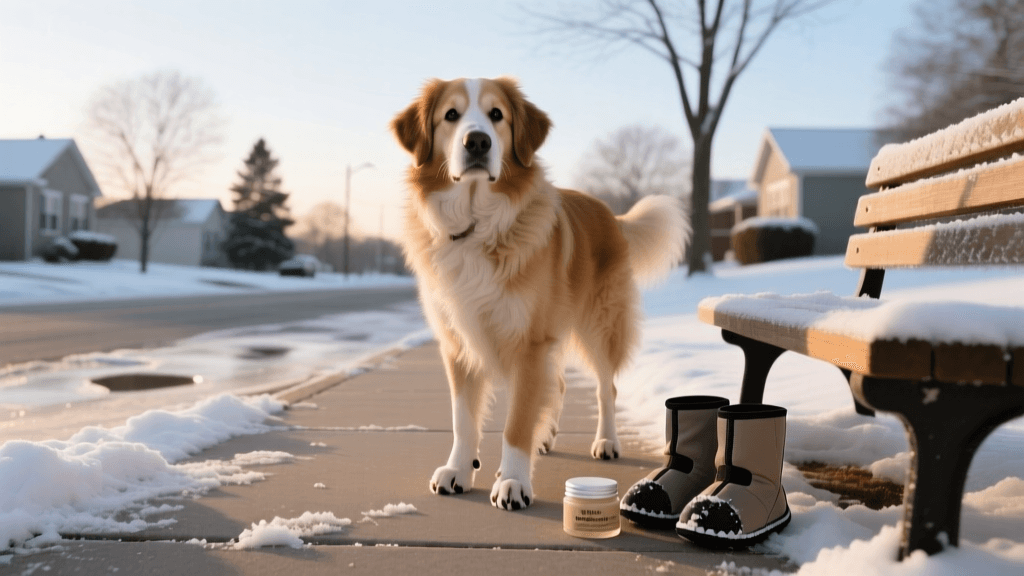
Protecting your dog's paws requires a physical barrier between their skin and the frozen, chemically treated ground. You generally have two options: dog booties or paw balms. Here is a detailed comparison to help you choose the right product for your lifestyle.
1. Dog Booties
Booties offer the ultimate protection against ice, snow, and chemicals. They also provide excellent traction on slippery surfaces.
- Top Product: Ruffwear Grip Trex Dog Boots.
- Cost: Approximately $90 for a set of four.
- Pros: Complete coverage, rugged Vibram outsoles for grip, keeps paws completely dry.
- Cons: Requires an acclimation period (many dogs will "high-step" when first wearing them), can be difficult to size correctly, may slip off in deep snow without proper gaiter straps.
- Budget Alternative: Pawz Rubber Dog Boots ($15 for a pack of 12). These are essentially thick, biodegradable balloons. They offer great chemical protection but lack insulation and traction.
2. Paw Balms and Waxes
Balms create a semi-permeable, wax-based barrier that repels moisture and prevents snow from sticking to the fur between the toes.
- Top Product: Musher's Secret Paw Protection Natural Dog Paw Wax.
- Cost: Approximately $15 to $18 for a 2 oz tub.
- Pros: Easy to apply, no acclimation period required, nourishes dry and cracked pads with vitamin E and natural oils.
- Cons: Does not provide physical protection against sharp ice shards, requires reapplication during long walks, can leave greasy marks on indoor hardwood floors if not wiped off post-walk.
DIY Winter Paw Balm Recipe
If you prefer a natural, cost-effective approach, you can easily make your own paw balm at home. This recipe yields about 4 ounces of balm and costs less than $10 to make.
Ingredients:
- 2 oz (56g) Beeswax pellets (provides the protective barrier)
- 2 oz (56g) Shea butter (deeply moisturizes cracked pads)
- 2 oz (56g) Coconut oil (offers mild antibacterial properties)
- 10 drops of Vitamin E oil (promotes skin healing)
Instructions:
- Set up a double boiler on your stove over medium-low heat.
- Combine the beeswax, shea butter, and coconut oil in the top bowl.
- Stir gently until completely melted and blended (about 5-7 minutes).
- Remove from heat and stir in the Vitamin E oil.
- Carefully pour the mixture into small metal tins or silicone molds.
- Allow to cool and solidify at room temperature for 2 hours before use.
The Ultimate Pre- and Post-Walk Routine
To maximize your dog's safety and comfort, implement this strict routine during the winter months:
Pre-Walk Preparation (10 Minutes Before)
- Trim Paw Fur: Use blunt-nosed grooming scissors to carefully trim the hair between your dog's toe pads so it is flush with the skin. This prevents painful ice balls from forming.
- Apply Balm: Massage a generous layer of paw balm into the pads and between the toes. Allow it to absorb for 5 minutes before stepping outside.
- Fit Booties (Optional): If using booties, ensure the velcro straps are snug but not tight enough to restrict circulation. You should be able to slip one finger under the strap.
Post-Walk Cleanup (Immediately Upon Returning)
- The Warm Wipe: Keep a basin of warm (not hot) water and a microfiber towel by the front door. Gently wash each paw to remove salt, sand, and chemical residue. Never let your dog lick their paws before this step.
- Inspect for Damage: While drying, check for redness, cracking, bleeding, or embedded ice.
- Rehydrate: Once the paws are completely dry, apply a thin layer of balm or a pet-safe moisturizer like coconut oil to replenish lost moisture.
Adjusting Diet and Exercise in Winter
Winter often means a decrease in daily activity levels, which necessitates a change in your dog's diet to prevent unhealthy weight gain. If your dog's daily exercise drops from 60 minutes to 20 minutes due to cold weather, you should reduce their daily caloric intake by 10% to 15%. Conversely, working dogs or those who participate in high-energy winter sports like skijoring may require an increase in calories to maintain their core body temperature. Additionally, adding a high-quality Omega-3 fatty acid supplement (such as wild-caught salmon oil, dosed at 20mg per pound of body weight daily) can significantly improve the skin's natural barrier, reducing the likelihood of dry, cracked paw pads and flaky winter skin.
Recognizing Cold-Weather Emergencies
Despite your best efforts, emergencies can happen. The FDA warns pet owners to be vigilant for signs of hypothermia and frostbite.
- Hypothermia: Occurs when a dog's core body temperature drops below 99°F (37.2°C). Early signs include violent shivering, lethargy, and confusion. As it progresses, shivering will stop, muscles become stiff, and breathing slows. Action: Wrap the dog in warm (not hot) blankets, place warm water bottles wrapped in towels against their chest and groin, and seek immediate veterinary care.
- Frostbite: Most commonly affects the tips of the ears, tail, scrotum, and paw pads. The skin will appear pale, bluish-white, or gray, and feel unusually cold or brittle to the touch. As the tissue thaws, it will become red, swollen, and extremely painful. Action: Do NOT rub the affected area, as this can cause severe tissue damage. Do not use direct heat like a hair dryer or heating pad. Gently soak the area in warm water (around 100°F) and head straight to an emergency vet clinic.
Conclusion
Winter does not mean you and your dog have to hibernate indoors until spring. By understanding the specific hazards of the season, investing in proper protective gear like Ruffwear booties or a high-quality beeswax balm, and adhering to a strict pre- and post-walk routine, you can safely enjoy the snowy landscapes together. Always prioritize your dog's comfort over distance, and remember that a safe winter walk is a well-prepared one.
anouk-beaumont
All our authors care for dogs every day — read more of their work on the authors page.