The Step-by-Step Guide to Stress-Free Dog Car Rides
Learn how to train your dog to love car rides with our step-by-step guide. Discover gear, timing, and positive reinforcement techniques for calm travel.
Why Car Training Matters for Your Dog
For many dog owners, the car is an essential part of daily life. Whether you are heading to the veterinarian, picking up supplies, or embarking on a cross-country road trip, your dog needs to feel secure and relaxed in the vehicle. Unfortunately, not all dogs are natural travelers. Some experience severe anxiety, whining, pacing, or even motion sickness the moment the engine starts. According to the ASPCA guidelines on pet travel, proper restraint and gradual desensitization are critical not only for your dog's emotional well-being but also for the safety of everyone in the vehicle.
Training your dog to enjoy car rides is not a one-day process. It requires patience, high-value rewards, and a systematic approach to desensitization. In this comprehensive guide, we will walk you through a step-by-step training protocol to transform your dog's car anxiety into calm, stress-free travel.
Essential Gear: Safety Restraints and Comfort
Before you begin training, you must establish a safe and consistent environment inside the car. Allowing a dog to roam freely in a vehicle is dangerous; in the event of a sudden stop or collision, an unrestrained dog can become a dangerous projectile. The American Kennel Club's car safety tips strongly recommend using crash-tested restraints.
Choosing the Right Restraint
You generally have two safe options: a crash-tested harness or a secured travel crate.
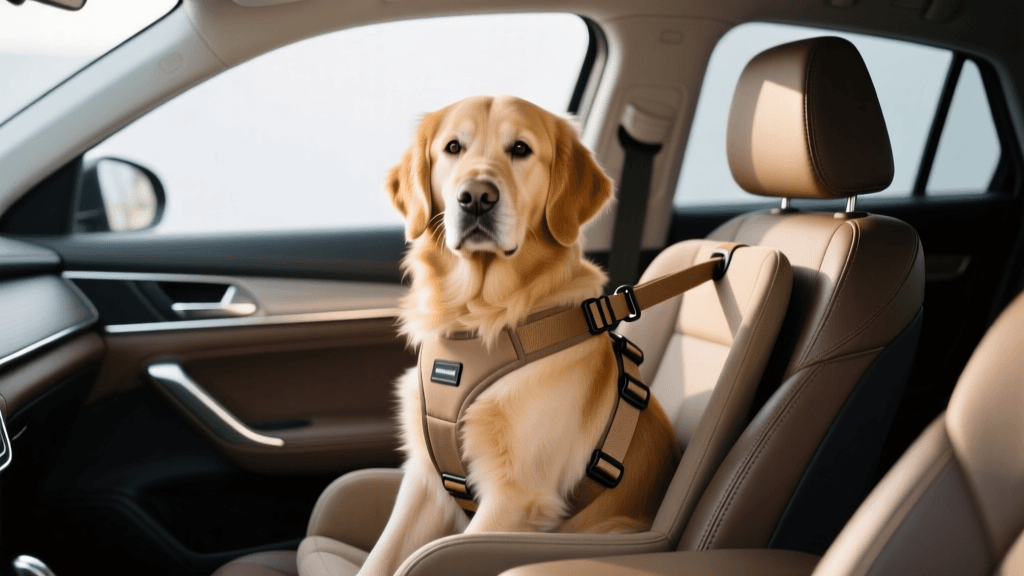
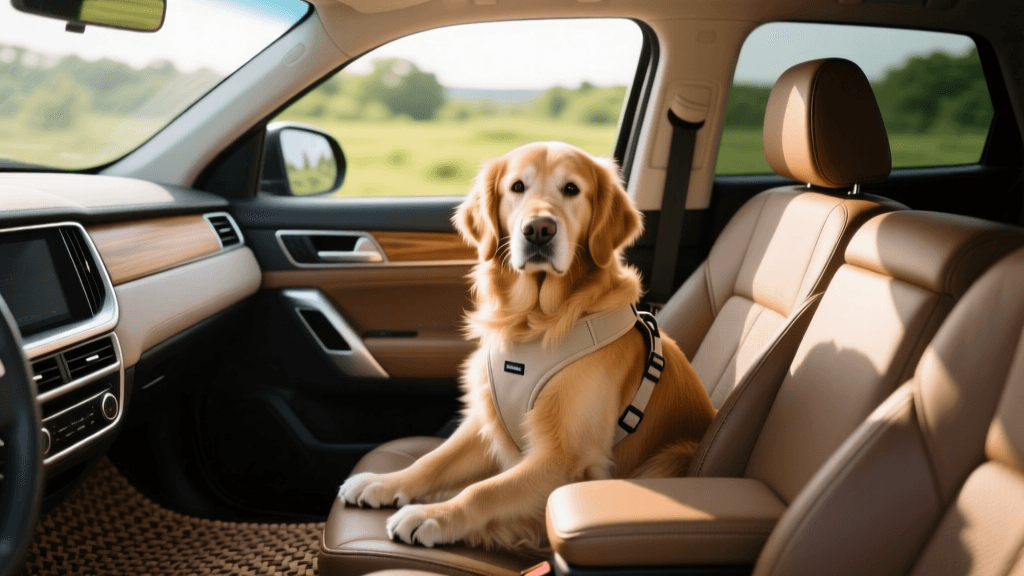
- Crash-Tested Harnesses: Products like the Kurgo Enhanced Strength Tru-Fit Smart Harness ($40-$50) or the Sleepypod Clickit Sport ($90-$100) are excellent choices. You must measure your dog's neck and the widest part of their chest girth to ensure a snug, secure fit. The harness should tether directly to the vehicle's seatbelt latch or LATCH system.
- Travel Crates: For dogs who prefer a den-like environment, a secured crate is ideal. High-end, crash-tested options like the Gunner G1 Kennel ($500+) or Ruff Land Performance Kennel ($250-$350) offer maximum protection. Ensure the crate is strapped down using heavy-duty tie-down straps in the cargo area of an SUV or the back seat of a sedan.
Comfort Items
Bring a familiar-smelling blanket or a dedicated 'car-only' chew toy, such as a Kong stuffed with frozen peanut butter and plain yogurt. This provides a positive distraction and helps build a favorable association with the car interior.
Phase 1: Desensitizing the Parked Car
The first phase of training takes place in your driveway with the engine completely turned off. The goal is to change your dog's emotional response to the sight and smell of the car.
- Open the Doors: Open all the car doors and sit in the backseat or cargo area with your dog. Do not force them to jump in; let them explore at their own pace.
- Treat Scattering: Toss high-value treats (like boiled chicken breast or freeze-dried liver) onto the floor and seats. Let your dog sniff and eat freely.
- Introduce the Restraint: Once your dog is happily entering the car, gently put on their harness or guide them into their crate. Feed them a continuous stream of treats while they are restrained, then immediately release them and end the session.
- Timing and Duration: Keep these initial sessions incredibly short—no more than 3 to 5 minutes. Repeat this process twice a day for 3 to 4 days, or until your dog eagerly jumps into the car anticipating treats.
Phase 2: Starting the Engine
Once your dog is completely relaxed in the parked car, it is time to introduce the sounds and vibrations of the engine.
- Secure Your Dog: Buckle your dog into their harness or secure them in their crate.
- Start the Car: Turn the ignition on, but do not put the car in gear. Keep the air conditioning or heater running to normalize the environmental sounds.
- Reward Calmness: Sit next to your dog. Use a marker word like 'Yes!' or a clicker the moment they display calm behavior (e.g., lying down, relaxed ears, soft eyes), followed immediately by a treat.
- Manage Stress Signals: If your dog begins to pant heavily, whine, or pace, do not reward the panic, but do not punish them either. Simply turn off the engine, wait for them to settle, reward the calm, and end the session. You may have moved too quickly; return to Phase 1 for another day.
Phase 3: Short, Positive Drives
Now that the engine is no longer a trigger, you can begin moving the vehicle. The key here is to keep the drives so short that your dog doesn't have time to become anxious.
- The Driveway Loop: Simply back out of the driveway and pull right back in. Praise and treat your dog upon returning.
- Around the Block: Progress to driving slowly around a single block. Keep the radio off or play soft, classical music, which has been shown to lower canine heart rates.
- End on a High Note: Always end the drive before your dog shows signs of stress. If they remain calm for a three-minute drive, pull over, give a jackpot reward (three or four treats in a row), and head home.
Phase 4: Building Duration and Destination
Many dogs associate the car solely with the veterinarian's office, which creates dread. To counter this, you must start driving to fun destinations.
Take your dog on short trips to their favorite hiking trail, the dog park, or a drive-through for a 'puppuccino.' By varying the destinations, your dog learns that the car is a gateway to adventure, not just medical exams. Gradually extend the duration of your trips from 5 minutes to 15, then 30, and eventually to multi-hour road trips.
Pro Tip for Multi-Pet Households: If you are traveling with multiple dogs, visual barriers can prevent overstimulation and reactivity. Use a pet barrier or cover adjacent crates with a light, breathable sheet so the dogs cannot stare each other down while the vehicle is in motion.
4-Week Step-by-Step Car Training Schedule
Use this structured timeline to track your dog's progress. Remember, every dog learns at their own pace. If your dog struggles at any step, drop back to the previous week's protocol.
| Week | Focus Area | Action Steps | Session Duration |
|---|---|---|---|
| Week 1 | Parked Car Desensitization | Open doors, treat scattering, harness/crate introduction with engine OFF. | 3-5 mins, twice daily |
| Week 2 | Engine Acclimation | Secure dog, start engine, reward calm posture, use white noise or soft music. | 5-10 mins, once daily |
| Week 3 | Micro-Movements | Driveway backing, driving to the end of the street and back, jackpot rewards. | 2-5 min drives, daily |
| Week 4 | Destination Association | Short drives (10-15 mins) to highly rewarding locations (parks, trails). | 1-2 trips per week |
Troubleshooting: Motion Sickness and Anxiety
Even with perfect training, some dogs face physiological hurdles. It is crucial to distinguish between behavioral anxiety and physical motion sickness.
Identifying Motion Sickness
According to the VCA Hospitals' resource on canine motion sickness, signs of nausea include excessive drooling, lip smacking, lethargy, and vomiting. Motion sickness is especially common in puppies because the inner ear structures responsible for balance are not fully developed.
- Environmental Fixes: Crack the windows for fresh air and keep the car cool. Use a booster seat or a crate positioned where the dog can see out the front windshield, which helps align their visual and vestibular (balance) systems.
- Natural Remedies: Ginger chews or a drop of peppermint oil on a bandana (never directly on the skin) can soothe mild nausea.
- Veterinary Intervention: For severe cases, consult your veterinarian about prescription anti-nausea medications like Cerenia (maropitant citrate), which is highly effective and safe for most dogs.
Managing Severe Anxiety
If your dog is trembling, hiding, or vocalizing intensely, they are experiencing fear. Do not push them through the panic.
- Pheromone Therapy: Spray Adaptil Dog-Appeasing Pheromone Spray ($25-$30) on the car's upholstery or your dog's travel blanket 15 minutes before the trip. This mimics the calming pheromones produced by nursing mother dogs.
- Pressure Wraps: A Thundershirt ($40-$50) applies gentle, constant pressure to the dog's torso, which can significantly reduce travel-related anxiety.
- Professional Help: If your dog's fear is deeply ingrained, consult a certified applied animal behaviorist (CAAB) or a veterinary behaviorist to discuss a tailored desensitization plan and potential short-term anti-anxiety medications like Trazodone.
Conclusion
Teaching your dog to ride calmly in the car is an investment in their safety and your shared quality of life. By selecting the proper crash-tested gear, breaking the training down into manageable phases, and utilizing high-value positive reinforcement, you can help your dog overcome their fears. Remember to be patient, celebrate the small victories, and always prioritize your dog's emotional and physical comfort. Soon, the sound of the car keys jingling will be met with a wagging tail rather than a hiding spot under the bed.
aaron-whyte
All our authors care for dogs every day — read more of their work on the authors page.