How Long Can You Leave Your Dog Home Alone Safely?
Discover how long you can safely leave a dog home alone, tips to prevent boredom, and expert advice on managing separation anxiety and daily work routines.
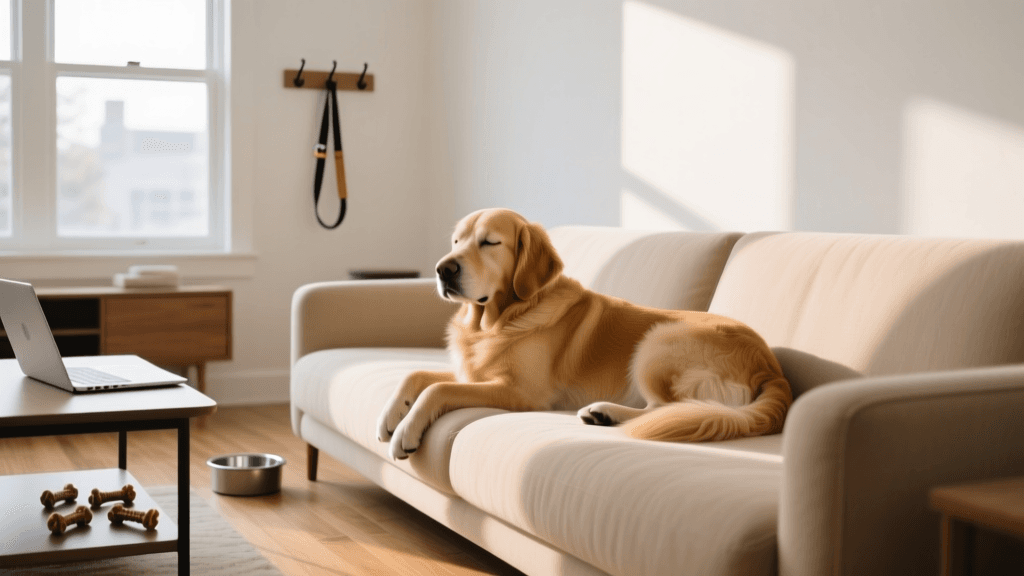
As a dog owner, balancing your career, social life, and pet care responsibilities is a daily juggling act. If you have ever typed 'how long can I leave my dog alone' into a search engine, you are not alone. It remains one of the most frequently searched questions by new and veteran pet parents alike. In this edition of our Google's Most-Asked Questions series, we are diving deep into the realities of leaving your dog home alone. We will explore bladder capacities, behavioral health, actionable enrichment strategies, and the real costs of midday pet care.
How Long Can I Safely Leave My Dog Home Alone?
The short answer is that adult dogs should not be left alone for more than four to six hours at a time on a regular basis. While many people assume that an eight-hour workday plus a commute is perfectly acceptable, animal welfare experts disagree. According to the PDSA (People's Dispensary for Sick Animals), dogs are highly social pack animals that require regular interaction, mental stimulation, and physical relief. Leaving an adult dog crated or confined to a small room for eight to ten hours straight can lead to severe physical discomfort and psychological distress. If you work a standard eight-hour shift, you must factor in a midday interruption, such as a dog walker or a trip home, to break up the isolation.
What Is the Rule of Thumb for Puppy Bladders?
Puppies require a completely different schedule. A widely accepted veterinary guideline for puppy bladder control is one hour for every month of age, up to a maximum of about six to eight hours once they reach adulthood. The American Kennel Club (AKC) notes that forcing a puppy to hold it beyond their physical capacity will severely set back your house-training efforts and can lead to painful urinary tract infections. You should aim to provide potty breaks well before their absolute limit is reached.
| Dog Age / Stage | Maximum Time Alone | Bladder Capacity Estimate | Recommended Midday Action |
|---|---|---|---|
| 8–10 Weeks | 1–2 Hours | 1–2 Hours | Potty break & play |
| 11–14 Weeks | 2–3 Hours | 2–3 Hours | Potty break & training |
| 15–18 Weeks | 3–4 Hours | 3–4 Hours | Midday walker visit |
| 6+ Months (Adult) | 4–6 Hours | 6–8 Hours | Midday walk or daycare |
| Senior Dogs (8+ Years) | 2–4 Hours | 4–6 Hours | Frequent gentle potty breaks |
How Can I Keep My Dog Entertained While I Work?
Boredom is the enemy of a peaceful home. When left to their own devices, an under-stimulated dog will create their own fun, which often translates to destroyed furniture, excessive barking, or digging at the carpets. To combat this, you need to implement a robust enrichment strategy before you walk out the door.
- KONG Classic Dog Toy ($15–$20): Fill this durable red rubber toy with a mixture of plain Greek yogurt, mashed bananas, and kibble, then freeze it overnight. A frozen KONG can keep an adult dog occupied for 45 to 60 minutes as they work to extract the melting contents.
- Nina Ottosson Dog Brick Puzzle ($20–$30): These interactive treat-dispensing puzzles require your dog to slide, lift, and flip compartments to find hidden treats. They engage the brain and tire your dog out mentally, which is just as exhausting as physical exercise.
- Furbo Dog Camera ($100–$170): For owners who experience guilt or worry while at the office, a two-way pet camera allows you to check in, speak to your dog, and even toss treats remotely. This provides a quick mental break for your pet and peace of mind for you.
- Snuffle Mats ($15–$25): Sprinkle your dog’s measured daily kibble into the deep fabric folds of a snuffle mat. This mimics the natural foraging behavior of wild canines and slows down fast eaters while providing excellent mental stimulation.
How to Dog-Proof Your Home Before Leaving
When you are not home to supervise, your house becomes an obstacle course of potential hazards. Before you walk out the door, you must ensure the environment is completely safe. Start by securing all household chemicals, medications, and toxic foods (like chocolate, xylitol, and grapes) behind locked cabinets or in high pantries. Use baby gates to block off staircases or rooms that contain fragile items or exposed electrical cords. If your dog is prone to chewing, invest in cord protectors and bitter apple spray for baseboards. Finally, ensure that all windows and balcony doors are securely locked, as curious dogs can easily push through loose screens and suffer fatal falls.
Is My Dog Bored or Do They Have Separation Anxiety?
It is crucial to distinguish between a dog who is simply bored and one who suffers from separation anxiety. Boredom typically results in localized destruction (like chewing a single shoe or digging in a trash can) and occurs whether you are gone for ten minutes or ten hours. Separation anxiety, on the other hand, is a severe panic disorder. The ASPCA notes that dogs with separation anxiety exhibit extreme distress behaviors almost immediately after the owner departs. Symptoms include relentless howling, inappropriate elimination despite being house-trained, pacing, drooling, and destructive behavior focused exclusively on exit points like doors and windows. If your dog displays these severe symptoms, leaving them alone longer will not cure them; it will only deepen the trauma. You will need to consult a certified veterinary behaviorist for a desensitization protocol and potentially anti-anxiety medications.
Mastering Departure and Arrival Cues
Dogs are incredibly perceptive and can read your micro-expressions and routines. Grabbing your car keys, putting on your shoes, or picking up your briefcase can trigger a spike in cortisol (the stress hormone) before you have even left the house. To mitigate this, animal behaviorists recommend desensitizing your dog to these departure cues. Pick up your keys, and then simply sit back down on the couch. Put on your coat, and then make a cup of coffee. By randomizing these actions, you strip them of their anxiety-inducing power. Furthermore, when you return home, ignore your dog until they are completely calm. Making a massive, high-energy fuss when you walk through the door reinforces the idea that your return is a monumental event, which inadvertently makes your departure seem equally catastrophic. Keep your arrivals and departures low-key and boring.
What Are the Costs and Options for Midday Dog Care?
If you work away from home for more than six hours a day, you need a reliable midday care strategy. Here is a breakdown of the most common options and their associated costs:
- Professional Dog Walkers: Hiring a local dog walker for a 30-minute midday walk typically costs between $15 and $25 per visit. This breaks up the day, provides a necessary bathroom break, and offers physical exercise.
- Doggy Daycare: Drop-off daycare facilities range from $25 to $50 per day. This is an excellent option for high-energy, highly social dogs who thrive in a pack environment. However, it is not recommended for senior dogs, reactive dogs, or puppies who have not completed their vaccination series.
- Pet Sitters / Drop-In Visits: Services like Rover or Wag offer 30-minute drop-in visits for $15 to $20. The sitter will let the dog out to the yard, refresh water, and spend a few minutes playing.
- Dog Doors and Secure Yards: If you have a fully fenced, secure yard, installing a high-quality electronic dog door (like the SureFlap Microchip Pet Door, approx. $150) allows your dog to let themselves out for bathroom breaks. Note: This solves the bladder issue but does not solve the loneliness or boredom issue.
Final Thoughts on Daily Routines
Ultimately, sharing your life with a dog means accommodating their biological and emotional needs. While dogs are incredibly adaptable, they are not solitary creatures designed to be ignored for half the day. By utilizing interactive toys, hiring midday help, and understanding the limits of your dog's physical endurance, you can ensure that your pet remains happy, healthy, and well-adjusted, even when your schedule demands time away from home.
jonas-cole
All our authors care for dogs every day — read more of their work on the authors page.