Step-by-Step Crate Training Guide for Adult Rescue Dogs
Learn how to crate train an adult rescue dog with our step-by-step guide. Discover timelines, crate sizes, and positive reinforcement tips.
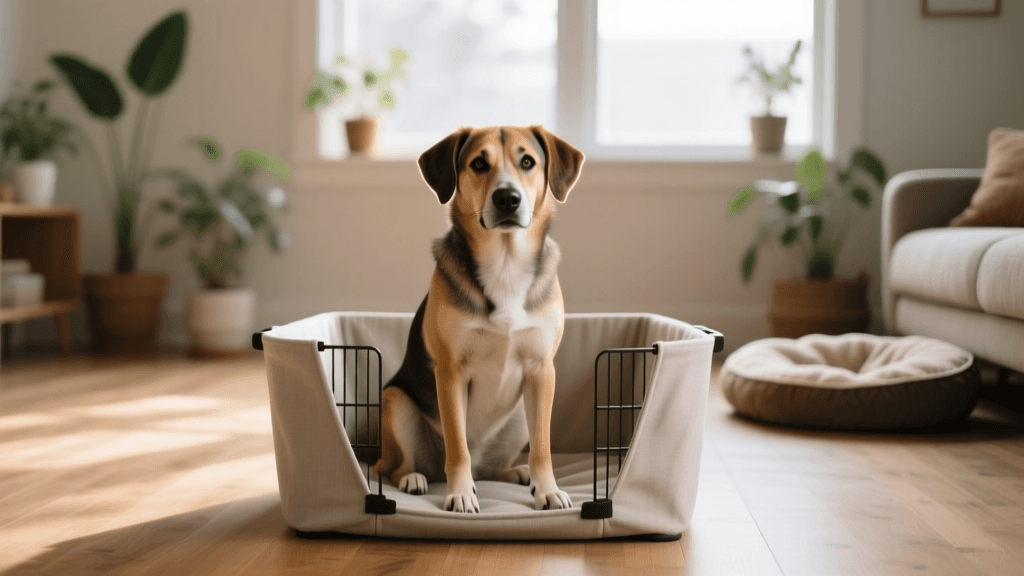
Why Crate Training Matters for Adult Rescue Dogs
Bringing an adult rescue dog into your home is an incredibly rewarding experience, but it often comes with unique behavioral challenges. Many rescue dogs have experienced trauma, neglect, or frequent environment changes, leading to anxiety and a lack of boundaries. According to The Humane Society of the United States, providing a predictable, safe space is one of the most critical steps in helping a newly adopted dog decompress. Crate training is not about confinement; it is about creating a personal sanctuary where your dog can retreat when overwhelmed.
When executed with patience and positive reinforcement, crate training aids in housebreaking, prevents destructive behavior born from separation anxiety, and gives your rescue dog a sense of territorial security. This comprehensive, step-by-step guide will walk you through the exact timeline, measurements, and tools needed to successfully crate train an adult rescue dog.
The 3-3-3 Rule: Understanding the Decompression Period
Before introducing a crate, you must understand the '3-3-3 Rule' of rescue dog adoption. This rule dictates the emotional timeline your dog will experience:
- 3 Days: The dog feels overwhelmed, scared, and unsure of their new surroundings. They may not eat or drink normally.
- 3 Weeks: The dog starts to settle, showing their true personality and potential behavioral issues as they learn your routine.
- 3 Months: The dog finally feels completely at home, building trust and a secure bond with you.
Because of this timeline, do not force a rescue dog into a crate on day one. Allow them to explore the home and associate the crate purely with positive experiences during those first crucial weeks.
Step 1: Selecting and Sizing the Perfect Crate
The right crate acts as a den. If it is too large, the dog may use one corner as a bathroom and the other for sleeping. If it is too small, it will cause physical discomfort and claustrophobia. To measure your dog correctly, measure from the tip of their nose to the base of their tail, and add 2 to 4 inches. For height, measure from the top of their head (or the tip of their ears if they are erect) to the floor, and add 2 inches.
Below is a comparison chart to help you choose the right crate material for your rescue dog's specific needs:
| Crate Type | Best For | Average Cost | Pros | Cons |
|---|---|---|---|---|
| Wire Crate | Home use, high visibility | $50 - $80 | Folds flat for storage, excellent airflow, removable divider panels | Heavy, requires a fabric cover to create a 'den' feel |
| Plastic Kennel | Anxious dogs, travel, flying | $60 - $100 | Cozy, enclosed den-like feel, airline approved, harder to escape | Poor airflow in hot weather, bulky to store |
| Soft-Sided | Small dogs, supervised car rides | $30 - $60 | Lightweight, highly portable, comfortable | Easily destroyed by anxious chewers, difficult to clean |
For most adult rescue dogs experiencing anxiety, a Plastic Kennel or a Wire Crate with a dark cover is highly recommended to simulate a secure, enclosed den environment.
Step 2: Gathering Essential Gear
Setting up the crate correctly is just as important as the training itself. You will need a few specific items to encourage positive associations:
- High-Value Treats: Use soft, smelly treats like Zuke's Mini Naturals or boiled chicken breast. Reserve these exclusively for crate time.
- Interactive Toys: A KONG Classic ($15) stuffed with frozen peanut butter and ketchup keeps the dog occupied and creates a positive association with the crate.
- Calming Aids: An Adaptil Calm Diffuser ($25) plugged in near the crate releases synthetic dog-appeasing pheromones that clinically reduce stress.
- Washable Bedding: Avoid plush beds initially if your rescue is a nervous chewer. Opt for a durable, chew-resistant mat like the Kuranda Chewproof Dog Bed ($120) until the dog is fully decompressed.
Step 3: The 4-Week Step-by-Step Training Protocol
The ASPCA emphasizes that crate training should always proceed at the dog's pace. Rushing this process can result in severe confinement distress. Follow this 4-week timeline for adult rescues.
Week 1: The Open-Door Policy
Place the crate in a high-traffic family area, like the living room, but out of direct foot traffic. Leave the door securely tied open. Throughout the day, casually toss high-value treats into the back of the crate. Do not force the dog inside. Let them enter, grab the treat, and exit. Feed them their regular meals near the crate, gradually moving the food bowl further inside with each subsequent meal. By the end of week one, the dog should willingly walk into the crate to eat and search for treats.
Week 2: Closing the Door (Briefly)
Once your rescue dog is comfortably eating meals inside the crate, close the door while they eat. Do not latch it yet. Just gently push it shut. As soon as they finish their meal, open the door and praise them. Next, introduce the latch. Close and latch the door while they eat, then open it the second they finish. Gradually increase the time the door remains closed after the meal by 1-minute increments. Sit right next to the crate, speaking in a calm, soothing voice.
Week 3: Extending Time and Creating Distance
Now, introduce a stuffed KONG toy. Give it to your dog inside the crate, close and latch the door, and sit across the room. If the dog whines, do not open the door immediately, as this teaches them that whining equals freedom. Wait for a brief moment of silence before releasing them. Slowly increase your distance by leaving the room for 30 seconds, then 1 minute, then 5 minutes. Always return before the dog becomes distressed. According to VCA Animal Hospitals, keeping departures and arrivals low-key prevents the dog from viewing the crate as a predictor of your abandonment.
Week 4: Real-World Departures
Begin crating your dog for short periods while you are actually home but in another room. Then, transition to leaving the house for very short errands (10 to 15 minutes). Provide a long-lasting chew, like a bully stick, to keep them occupied. When you return, ignore the dog for the first two minutes to avoid reinforcing hyperactive greetings. Only let them out of the crate when they are calm and all four paws are on the floor.
Troubleshooting Rescue-Specific Challenges
Rescue dogs may present unique hurdles during this process. Here is how to handle the most common issues:
- Nighttime Whining: If the dog whines at night, ensure they have been fully exercised and have eliminated outside right before bed. If they continue to whine, take them outside on a leash to potty in silence, then return them to the crate. This ensures they aren't whining due to a full bladder, but prevents them from learning that whining leads to playtime.
- Separation Anxiety: True separation anxiety is a clinical panic disorder. If your dog is injuring themselves trying to escape the crate, drooling excessively, or destroying the bedding, stop crate training immediately. Consult a veterinary behaviorist, as these dogs often require medication combined with desensitization training.
- Regression: It is normal for rescue dogs to regress during the 3-week mark as their true personality emerges. If they suddenly refuse to enter the crate, revert to Week 1 protocols. Toss treats inside and rebuild the positive association without forcing confinement.
Final Thoughts on Patience and Consistency
Crate training an adult rescue dog is a marathon, not a sprint. By respecting the 3-3-3 decompression rule, selecting the appropriately sized crate, and utilizing high-value rewards, you are teaching your dog that their crate is the safest, most comfortable place in the world. Stay consistent, keep your training sessions short (under 15 minutes), and celebrate the small victories. Over time, you will find your rescue dog voluntarily retreating to their crate for a peaceful nap, proving that they finally feel truly at home.
priya-sutaria
All our authors care for dogs every day — read more of their work on the authors page.