Bringing a New Dog Home in Winter: Cold Weather Prep
Learn how to prepare your home and gear for bringing a new dog or puppy home in winter. Essential cold-weather tips for a safe, cozy transition.
Why Winter Adoptions Require Special Preparation
Bringing a new dog or puppy into your life is a monumental and joyous occasion, but doing so in the dead of winter introduces a unique set of challenges. Unlike spring or summer adoptions, where you can easily spend hours outdoors bonding and acclimating, winter demands strategic planning to ensure your new companion stays warm, safe, and comfortable. The transition from a shelter or breeder to a new home is already stressful for a dog; adding freezing temperatures, icy paws, and dry indoor air to the mix requires proactive seasonal care from day one.
According to the ASPCA's Cold Weather Safety guidelines, pets are susceptible to frostbite and hypothermia just like humans, and newly adopted dogs may not yet understand how to communicate their discomfort to you. Furthermore, a dog's acclimation to cold depends heavily on their breed, age, and coat type. A newly adopted Greyhound or Chihuahua will experience the cold vastly differently than a Husky or Malamute. Understanding these nuances before your dog's paws ever touch the snow is the hallmark of a responsible new owner.
Essential Winter Gear for Your New Dog
Before your new dog arrives, you must curate a winter-specific inventory. Standard adoption checklists focus on bowls, crates, and leashes, but a winter adoption requires specialized gear to protect against the elements. Investing in high-quality cold-weather equipment not only keeps your dog safe but also makes outdoor potty breaks and walks significantly less stressful for both of you.
Coats, Booties, and Paw Protection
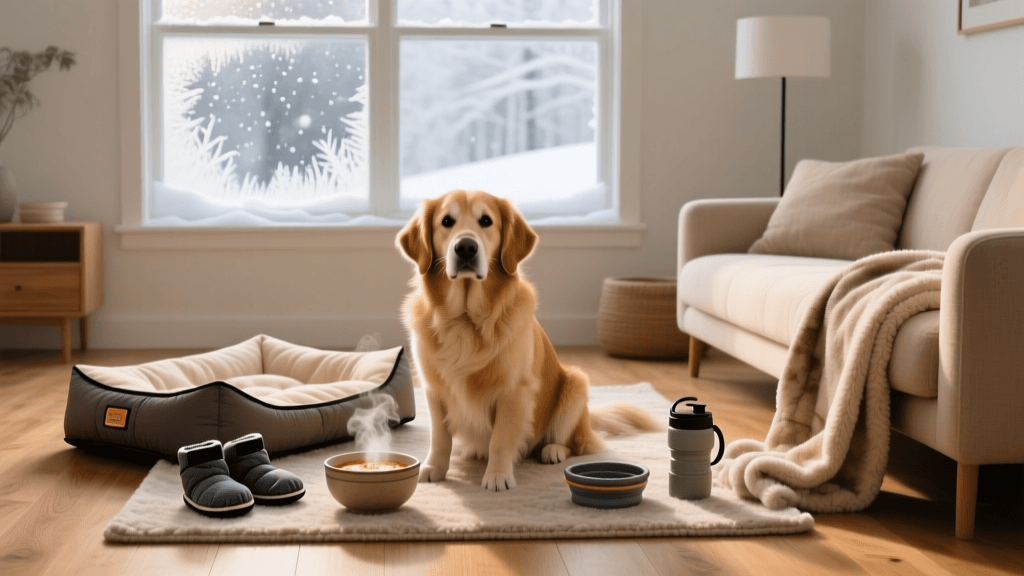
If you are adopting a short-haired, senior, or small-breed dog, a well-fitted winter coat is non-negotiable. Look for coats that cover the belly and have a water-resistant outer shell with a fleece lining. Booties are equally important for protecting paw pads from ice-melting chemicals like sodium chloride, which can cause severe chemical burns and toxicity if licked off. If your dog refuses to tolerate booties—a common hurdle for newly adopted dogs still adjusting to new sensations—you must use a protective paw wax like Musher’s Secret before every outing and wipe their paws with a warm, damp cloth immediately upon returning indoors.
| Item | Purpose | Estimated Cost | Recommended Features |
|---|---|---|---|
| Insulated Dog Coat | Core body warmth, wind/rain protection | $30 - $75 | Belly coverage, reflective trim, harness hole |
| Dog Booties | Paw pad protection from ice and salt | $20 - $50 | Rugged rubber sole, adjustable velcro straps |
| Paw Protection Wax | Alternative to booties, prevents cracking | $15 - $25 | 100% natural waxes (beeswax, shea butter) |
| LED Collar Light | Visibility during early winter sunsets | $10 - $20 | USB rechargeable, multiple flash modes |
| Indoor Pee Pads / Grass Patch | Emergency indoor potty for extreme cold | $25 - $60 | Washable, odor-neutralizing base |
Winterizing Your Home and Yard Before Arrival
Your home needs to be a warm sanctuary for your newly adopted dog. Winterizing goes beyond simply turning up the thermostat. The American Red Cross recommends ensuring that pets have a warm, draft-free place to sleep, raised off the floor. For a new dog, this means setting up their crate or bed in a central, insulated room away from drafty windows and exterior doors.
Safe Heating and Hazard Prevention
Space heaters and fireplaces pose severe burn risks to dogs unfamiliar with your home's layout. A newly adopted dog, especially one with a history of trauma or poor socialization, may seek out heat sources without understanding the danger of getting too close. Always use pet-safe space heaters with automatic tip-over shutoffs and cool-touch exteriors. Install a sturdy fireplace screen, and never leave your new dog unsupervised in a room with an active heat source.
Additionally, winter brings toxic hazards into the home. Antifreeze (ethylene glycol) is highly toxic and has a sweet taste that attracts dogs. Ensure your garage and driveway are completely free of spills, and consider switching to a pet-safe, propylene glycol-based antifreeze for your vehicles. Similarly, store ice-melting salts in secure, elevated cabinets where a curious new dog cannot reach them.
Managing Indoor Humidity and Skin Health
Winter air is notoriously dry, and indoor heating systems exacerbate the problem, stripping moisture from the air and your new dog's skin. A sudden drop in humidity can lead to itchy skin, dandruff, and cracked paw pads, which can make a newly adopted dog highly uncomfortable and irritable during their critical adjustment period. To combat this, invest in a high-capacity humidifier for the rooms where your dog spends the most time. Aim to keep indoor humidity levels between 30% and 50%. Additionally, consider adding a veterinarian-approved Omega-3 fatty acid supplement to your dog's daily meals to support their skin barrier and promote a healthy, insulated winter coat.
Nutrition and Hydration Adjustments
A common misconception is that all dogs need more food in the winter to stay warm. While it is true that a dog who spends hours outdoors working or hiking in the snow burns significantly more calories, a newly adopted house dog who only goes outside for brief potty breaks and short walks actually requires fewer calories due to decreased overall activity levels. Overfeeding during the sedentary winter months is a primary driver of canine obesity. Monitor your new dog's body condition score closely during the first month. Conversely, hydration remains just as critical in winter as in summer. Dogs dehydrate quickly in dry, heated environments. Ensure multiple fresh water bowls are available, and consider using a heated outdoor water bowl if your dog spends time in an enclosed outdoor run.
The First Week: Potty Training in the Cold
Potty training a new dog or puppy in freezing temperatures is arguably the most frustrating aspect of a winter adoption. Many dogs will refuse to eliminate outdoors when their paws touch cold snow, leading to indoor accidents and heightened stress. To combat this, establish a 'potty zone' in your yard before the dog arrives. Shovel a dedicated, clear 4x4 foot patch of grass or dirt, and keep it salt-free. This provides a familiar, comfortable texture for the dog to use.
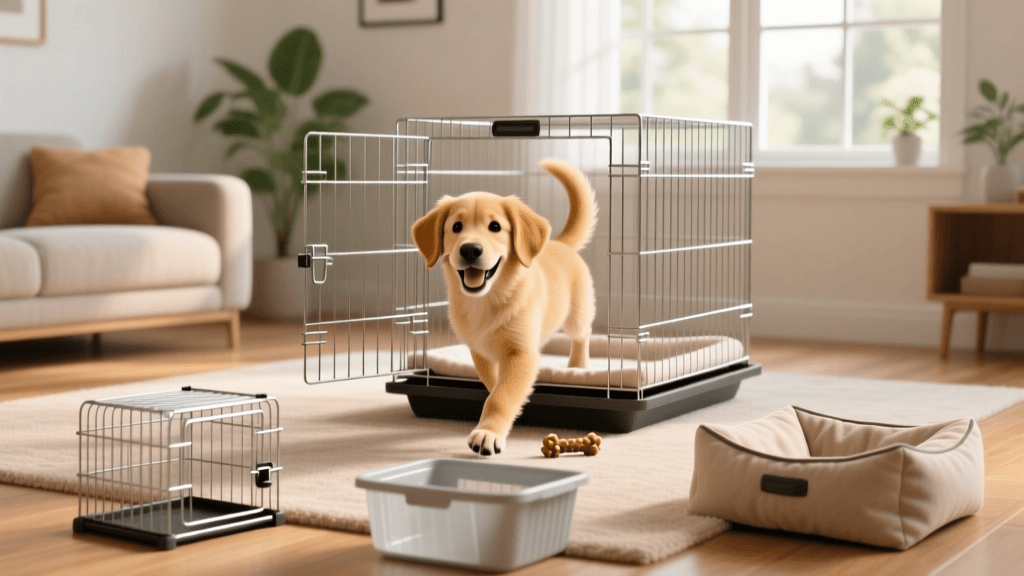
When taking your new dog out, use a long training leash rather than a retractable one, guiding them directly to the cleared zone. Stand with them, offering high-value treats (like freeze-dried liver) the moment they finish. If the temperature drops below 20°F (-6°C), limit potty trips to 5 minutes. For puppies or toy breeds that physically cannot hold their bladders but refuse to go outside in the cold, set up an indoor dog litter box or a real-grass delivery patch in a mudroom or garage as a temporary winter bridge.
Winter Acclimation and Activity Guidelines
While it is tempting to keep your new dog indoors for the first few weeks to bond, mental and physical stimulation remains critical to preventing destructive behaviors. However, winter activities must be carefully managed based on your dog's physical profile. The American Veterinary Medical Association (AVMA) notes that pets with arthritis, heart disease, or very young/old ages are particularly vulnerable to cold stress.
- Week 1 (Days 1-7): Focus on indoor bonding, scent work, and basic obedience. Keep outdoor trips strictly for elimination. Use puzzle toys and snuffle mats to drain mental energy.
- Week 2 (Days 8-14): Introduce short, 10-minute neighborhood walks during the warmest part of the day (usually between 11 AM and 2 PM). Practice coat and bootie desensitization indoors using positive reinforcement.
- Week 3 (Days 15-21): Extend walks to 20 minutes if the dog shows no signs of shivering, lifting paws, or whining. Introduce low-impact winter games like indoor fetch or tug-of-war to maintain physical fitness.
Conclusion
Adopting a dog in the winter requires an extra layer of preparation, empathy, and specialized gear. By winterizing your home, investing in protective clothing, and adapting your potty training and exercise routines to accommodate the cold, you set your new companion up for a successful, cozy transition. Remember that your new dog is looking to you for guidance and safety; showing them that you can protect them from the harsh winter elements will forge a deep, trusting bond that will last through all the seasons to come.
priya-sutaria
All our authors care for dogs every day — read more of their work on the authors page.