Winter Dog Paw Care: Safe Snow Hiking and Ice Tips
Learn essential winter dog paw care tips for snow hiking. Discover the best paw balms, dog booties, and cold-weather safety guidelines to protect your pup.
Embracing the Winter Wonderland Safely
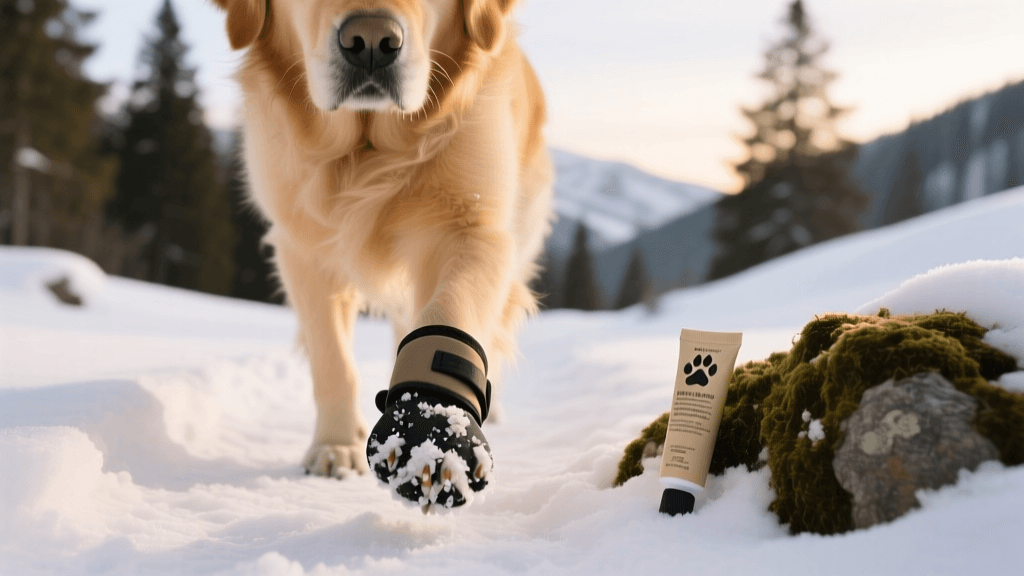
Winter transforms familiar trails and neighborhood sidewalks into breathtaking, snow-covered wonderlands. For active dog owners, the crisp air and pristine snow offer an inviting backdrop for hiking, running, and daily walks. However, beneath the picturesque surface lies a harsh environment that can wreak havoc on your dog’s most vulnerable extremities: their paws. Ice shards, freezing temperatures, and toxic chemical de-icers pose significant risks that can turn a joyful winter hike into a veterinary emergency. Proper winter dog paw care is not just a luxury; it is an absolute necessity for any pet parent who shares their life with a canine companion during the colder months.
The Hidden Dangers of Winter Walks and Hikes
When we step outside in winter, we slip on insulated, thick-soled boots. Our dogs, however, walk barefoot on the same frozen surfaces. Understanding the specific threats of the winter landscape is the first step in protecting your furry friend.
Chemical De-Icers and Rock Salt
Municipalities and homeowners frequently use chemical de-icers like sodium chloride, calcium chloride, and magnesium chloride to melt ice on roads and sidewalks. These chemicals are highly irritating to canine paw pads, capable of causing severe chemical burns, dryness, and painful cracking. Furthermore, when dogs lick their paws after a walk to clean them, they ingest these toxic substances, which can lead to drooling, vomiting, diarrhea, and in severe cases, life-threatening poisoning. According to the ASPCA's Cold Weather Pet Care guidelines, keeping pets away from these chemicals and thoroughly wiping their paws after outdoor exposure is critical to preventing toxic ingestion and localized burns.
Ice Accumulation and Physical Trauma
Snow often melts slightly against the warmth of a dog's paw pads, only to refreeze into hard, sharp ice balls between their toes. These ice clumps force the toes apart, causing immense pain, restricted movement, and micro-tears in the sensitive webbing. Additionally, hidden ice shards can act like broken glass, slicing into the paw pads and leading to deep lacerations that require veterinary intervention.
Frostbite and Extreme Cold
Just like human fingers, a dog's paw pads, ear tips, and tail are highly susceptible to frostbite. When temperatures plummet, the body redirects blood flow away from the extremities to protect vital organs. Prolonged exposure to freezing surfaces can cause the tissue in the paw pads to freeze, leading to cell death, blistering, and permanent damage.
Essential Winter Dog Paw Care Routine
Implementing a strict pre- and post-walk routine is the cornerstone of winter paw maintenance. This regimen ensures your dog's paws remain supple, protected, and free of harmful debris.
Pre-Walk Preparation
- Trim the Paw Fur: Use blunt-nosed grooming scissors to carefully trim the hair that grows between and around your dog's paw pads. Keeping this fur level with the pads drastically reduces the surface area where snow and ice can cling and form painful ice balls.
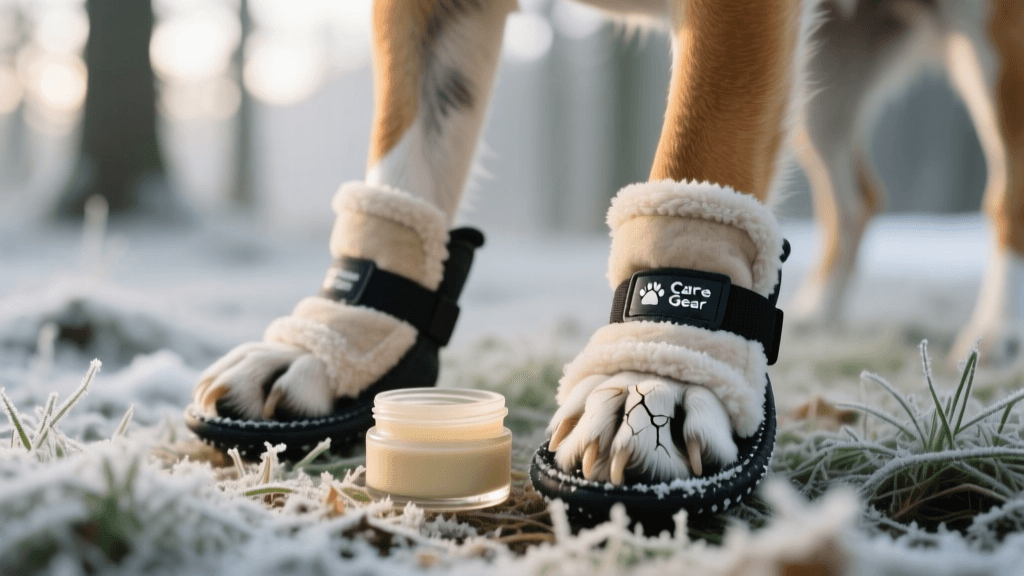
- Apply a Protective Paw Balm: About 15 minutes before heading outside, massage a generous layer of dog-safe paw wax into the pads. Products like Musher's Secret Paw Wax (typically costing around $15 to $20) create a semi-permeable, breathable barrier that shields the skin from ice, salt, and freezing winds while preventing the pads from drying out.
- Nail Maintenance: Keep your dog's nails trimmed short. Long nails can push the toes apart, exposing the sensitive webbing to the snow and making it easier for ice to accumulate.
Post-Walk Cleanup
Never allow your dog to air-dry or simply walk onto your carpets after a winter hike. Keep a dedicated 'paw station' by your front door. Use a damp, warm microfiber towel or unscented pet-safe wipes to thoroughly clean each paw, paying special attention to the spaces between the toes. This removes any lingering salt, sand, or antifreeze residue. After washing, dry the paws completely and apply a moisturizing dog paw balm to replenish lost moisture and heal micro-abrasions. The American Kennel Club strongly recommends this immediate wipe-down routine to prevent both chemical ingestion and localized skin irritation.
Paw Balms vs. Dog Booties: A Comprehensive Comparison
While paw balms offer a great baseline of protection, extreme conditions, deep snow, and rugged hiking trails often demand the heavy-duty armor of insulated dog booties. Choosing between the two depends on your specific activity level, the severity of the weather, and your dog's tolerance.
| Feature | Paw Balms (e.g., Musher's Secret) | Insulated Booties (e.g., Ruffwear Polar Trex) |
|---|---|---|
| Average Cost | $15 - $25 per tin | $70 - $100 per set of four |
| Protection Level | Moderate (Chemicals, mild cold, dryness) | High (Deep snow, sharp ice, extreme cold, chemicals) |
| Application Time | 1-2 minutes | 3-5 minutes (requires proper fitting and strapping) |
| Dog Tolerance | High (dogs rarely notice the wax) | Low to Moderate (requires acclimation and training) |
| Best Activity | Neighborhood walks, light potty breaks, mild winter days | Winter hiking, running, deep snow, heavily salted urban areas |
| Durability | Wears off after 1-2 hours of active walking | Lasts multiple seasons with proper care |
How to Measure Your Dog's Paws for Booties
If you opt for booties, a proper fit is non-negotiable. Booties that are too tight will restrict circulation, while loose booties will twist and cause friction blisters. To measure, place your dog's front paw on a piece of paper. Gently press down to simulate weight-bearing. Mark the widest part of the paw from left to right, and the longest part from the tip of the claw to the back of the pad. Compare these measurements to the manufacturer's sizing chart. For example, Ruffwear recommends measuring the width of the paw to select between their XXS to XL sizes.
Cold-Weather Hiking Safety Guidelines
Beyond paw care, sharing your life with a dog in winter requires adjustments to your hiking strategy and your dog's nutritional needs to ensure a safe and enjoyable experience.
Temperature Thresholds and Exposure Limits
Not all dogs handle the cold equally. A Siberian Husky with a thick double coat will thrive in sub-zero temperatures, while a Greyhound or Chihuahua will quickly succumb to the cold. As a general rule, when temperatures drop below 20°F (-6°C), limit outdoor hikes to essential bathroom breaks or very short, monitored excursions. The American Veterinary Medical Association advises pet owners to closely monitor their animals for signs of distress and to keep them indoors during severe cold snaps.
Caloric Adjustments for Winter Hiking
Dogs burn significantly more calories in the winter. The physiological process of thermoregulation—maintaining core body heat in freezing environments—requires massive energy expenditure. If you are hiking with your dog in the snow, they may require a 10% to 20% increase in their daily caloric intake. Consult your veterinarian about adding a high-protein, high-fat winter supplement or switching to an active-dog formula during the peak winter hiking season.
Hydration and Trail Visibility
A common misconception is that dogs can simply eat snow to stay hydrated. Eating snow actually lowers a dog's core body temperature, forcing them to burn even more calories to warm up, and can lead to gastrointestinal upset. Always carry an insulated thermos of lukewarm water and a collapsible silicone bowl on your winter hikes. Additionally, winter days are short, and dusk falls quickly. Equip your dog with a rechargeable LED collar and a reflective harness to ensure they remain visible against the snow and in low-light conditions.
Recognizing and Treating Cold-Weather Emergencies
Even with the best preparation, emergencies can happen. Knowing how to identify and respond to cold-weather injuries is a vital skill for any winter dog owner.
Signs of Hypothermia
Hypothermia occurs when a dog's core body temperature drops below normal. Early signs include violent shivering, lethargy, and a reluctance to continue walking. As it progresses, the dog may exhibit shallow breathing, stiffness, and confusion. If you suspect hypothermia, immediately wrap your dog in a dry, insulated blanket or your own jacket, and carry them back to a warm vehicle or home.
Signs of Frostbite
Frostbite typically affects the paw pads, ear tips, and tail. The skin may appear pale, gray, or bluish, and feel unusually cold or brittle to the touch. As the tissue thaws, it may become red, swollen, and extremely painful. Never rub frostbitten tissue, as this can cause severe cellular damage. Furthermore, avoid applying direct heat like heating pads or hot water, which can burn the compromised skin. Instead, soak the affected area in warm (not hot) water around 100°F (38°C) and seek immediate veterinary care.
Conclusion
Sharing your life with a dog means embracing all seasons together. By understanding the unique hazards of winter landscapes, investing in quality protective gear like insulated booties and premium paw waxes, and adhering to strict pre- and post-hike routines, you can ensure your canine companion stays safe, comfortable, and happy. Winter dog paw care is an ongoing commitment, but the reward of seeing your dog joyfully bounding through a pristine, snow-covered forest makes every bit of preparation entirely worthwhile.
beth-carrasco
All our authors care for dogs every day — read more of their work on the authors page.