Dog Travel Myths Debunked: Flying And Road Trip Facts
Discover the truth behind common dog travel myths. Learn factual, actionable tips for safe road trips and flying with your furry best friend.
Introduction: Navigating the World of Dog Travel
Traveling with your dog can be one of the most rewarding experiences of pet ownership, whether you are embarking on a cross-country road trip or flying to a new destination. However, the internet is flooded with outdated advice, well-meaning but dangerous tips, and outright myths regarding pet travel. Believing these myths can lead to stressful journeys, denied boarding at the airport, or even severe health risks for your furry companion.
In this comprehensive guide, we are separating fact from fiction. We will debunk the most common dog travel myths and provide you with actionable, expert-backed advice, specific product recommendations, and exact measurements to ensure your next trip is safe and enjoyable.
Myth 1: Sedation is the Safest Way for Dogs to Fly
The Myth
Many pet owners believe that giving their dog a tranquilizer or sedative before a flight will keep them calm, quiet, and safe in the cargo hold or cabin.
The Fact
The American Veterinary Medical Association (AVMA) strongly advises against sedating pets for air travel. Sedation depresses the respiratory and cardiovascular systems. In the pressurized, temperature-fluctuating, and low-oxygen environment of an airplane cargo hold, this depression can be fatal. Even in the cabin, the altitude changes can cause unpredictable and dangerous reactions to sedatives.
Actionable Advice
Instead of pharmaceutical sedatives, opt for natural, non-respiratory-depressing calming aids. Products like the Thundershirt ($45) apply gentle, constant pressure that naturally soothes anxiety. You can also use Adaptil Dog Calming Pheromone Spray ($15) inside the crate 15 minutes before travel. For severe anxiety, consult your vet about non-sedating anti-anxiety protocols, such as behavioral desensitization or specific non-sedating supplements containing L-theanine.
Myth 2: Dogs Love Sticking Their Heads Out of Car Windows
The Myth
The classic image of a happy dog with its ears flapping in the wind suggests that sticking their head out the window is a perfectly safe and enjoyable activity.
The Fact
While many dogs enjoy the sensory overload, allowing them to ride unrestrained with their heads out the window is incredibly dangerous. Flying debris, pebbles, and insects can cause severe corneal ulcers or traumatic eye injuries. Furthermore, sudden stops, swerves, or minor collisions can result in the dog being ejected from the vehicle.
Actionable Advice
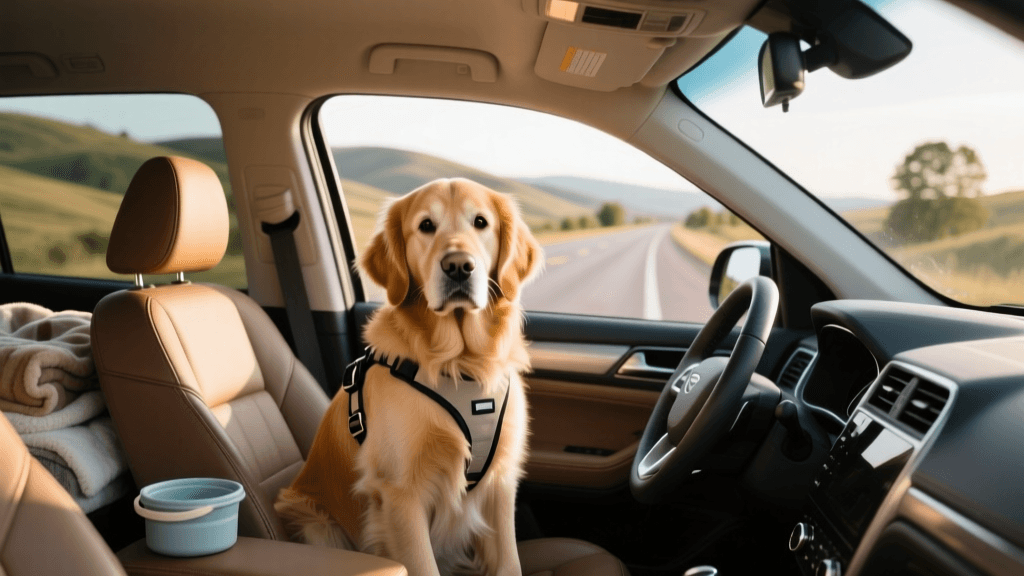
Secure your dog using a crash-tested harness or a secured crate. The Center for Pet Safety conducts rigorous crash testing on pet travel gear. Look for their certified products, such as the Sleepypod Clickit Sport Harness ($85), which has passed safety standards for dogs up to 90 pounds. Alternatively, use a hard-sided crate like the Ruff Land Performance Kennel ($250), strapped down with ratchet straps in the trunk or back seat to prevent it from becoming a projectile.
Myth 3: Any Soft-Sided Carrier Works for In-Cabin Flights
The Myth
If a carrier fits your dog, it will fit under the airplane seat and be accepted by the airline.
The Fact
Airlines have incredibly strict, non-negotiable dimensions for under-seat storage. If your carrier is even an inch too tall, too wide, or lacks proper mesh ventilation, you will be denied boarding at the gate, and your dog will not be allowed in the cabin.
Actionable Advice
Always check your specific airline's current guidelines before purchasing a carrier. For example, the Delta Air Lines Pet Policy mandates that soft-sided carriers must not exceed 18 x 11 x 11 inches for most aircraft. A highly reliable option is the Sherpa Original Deluxe Carrier ($60), which is specifically designed to meet the under-seat dimensions of most major airlines. Remember to factor in the pet fee, which typically ranges from $95 to $125 each way, and book your pet's spot well in advance, as airlines cap the number of in-cabin pets per flight (usually between 4 and 6 pets).
Myth 4: Withholding Water Prevents Car Sickness and Accidents
The Myth
Owners often withhold water for hours before a road trip to prevent the dog from needing to urinate or from vomiting due to motion sickness.
The Fact
Dehydration is a severe risk during travel, especially in warm weather or dry airplane cabins. Withholding water will not stop motion sickness and can lead to dangerous electrolyte imbalances and lethargy.
Actionable Advice
Keep your dog hydrated using a spill-proof travel bowl like the Kurgo Zippy Bowl ($15). Offer small, frequent sips of water every 45 to 60 minutes during road trips. If you are worried about potty breaks, plan your route around designated pet relief areas at rest stops, and use a high-quality leash like the Ruffwear Roamer Leash ($35) to give them safe freedom to explore and relieve themselves.
Dog Travel Safety Gear: Comparison Chart
| Travel Method | Recommended Safety Gear | Estimated Cost | Best For |
|---|---|---|---|
| Car (Front/Back Seat) | Crash-Tested Harness (e.g., Sleepypod Clickit Sport) | $80 - $120 | Dogs under 90 lbs; frequent road trippers |
| Car (Trunk/Cargo Area) | Hard-Sided Crate (e.g., Ruff Land Kennel) | $200 - $350 | Large breeds; multi-dog households |
| Airline Cabin | Airline-Approved Soft Carrier (e.g., Sherpa Deluxe) | $50 - $80 | Dogs under 20 lbs (combined weight with carrier) |
| Walking at Rest Stops | Hands-Free Bungee Leash (e.g., Ruffwear Roamer) | $30 - $40 | Active dogs needing safe exploration |
Myth 5: Motion Sickness is Purely Physical and Untreatable
The Myth
If a dog drools or vomits in the car, it is strictly an inner-ear balance issue that they will simply have to endure.
The Fact
In many dogs, motion sickness is deeply rooted in anxiety, fear, and a lack of positive association with the vehicle, rather than just a physical vestibular imbalance. The stress triggers the gastrointestinal response.
Actionable Advice
Implement a desensitization protocol. Start by feeding your dog high-value treats (like freeze-dried Stella & Chewy's patties) in the parked car with the engine off for 10 minutes a day. Gradually progress to turning the engine on, then short drives around the block. If physical nausea persists, ask your vet about Cerenia (maropitant citrate), a non-drowsy, FDA-approved medication specifically designed to prevent vomiting in dogs caused by motion sickness.
Myth 6: Feed a Large Meal Before Travel to Keep Them Sleepy
The Myth
A full stomach will make your dog sleepy and content for a long flight or drive.
The Fact
A full stomach exacerbates motion sickness and increases the likelihood of vomiting or severe discomfort during transit. Digestion naturally slows down during high-stress situations.
Actionable Advice
Feed your dog a light, easily digestible meal 3 to 4 hours before departure. Stick to their regular kibble rather than introducing new, rich foods that could cause gastrointestinal upset. For flights, the USDA requires that pets be offered food and water within 4 hours of check-in if they are traveling in cargo, so you will need to provide a signed certification of feeding time attached to the outside of the crate. For in-cabin or car travel, a small handful of bland treats is sufficient.
Conclusion: Travel Smart and Safe
Debunking these common myths is the first step toward becoming a responsible and prepared pet traveler. By prioritizing crash-tested safety gear, respecting airline dimensions, and focusing on your dog's hydration and emotional well-being, you can transform travel from a stressful chore into a bonding adventure. Always consult with your veterinarian before embarking on a long journey, especially if your dog has underlying health conditions or severe travel anxiety. Safe travels!
beth-carrasco
All our authors care for dogs every day — read more of their work on the authors page.