Winter Dog Paw Care: Best Boots, Balms, and Walking Tips
Protect your dog's paws this winter. Learn how to choose the right boots, apply paw balms, and safely navigate cold weather walks with our expert guide.
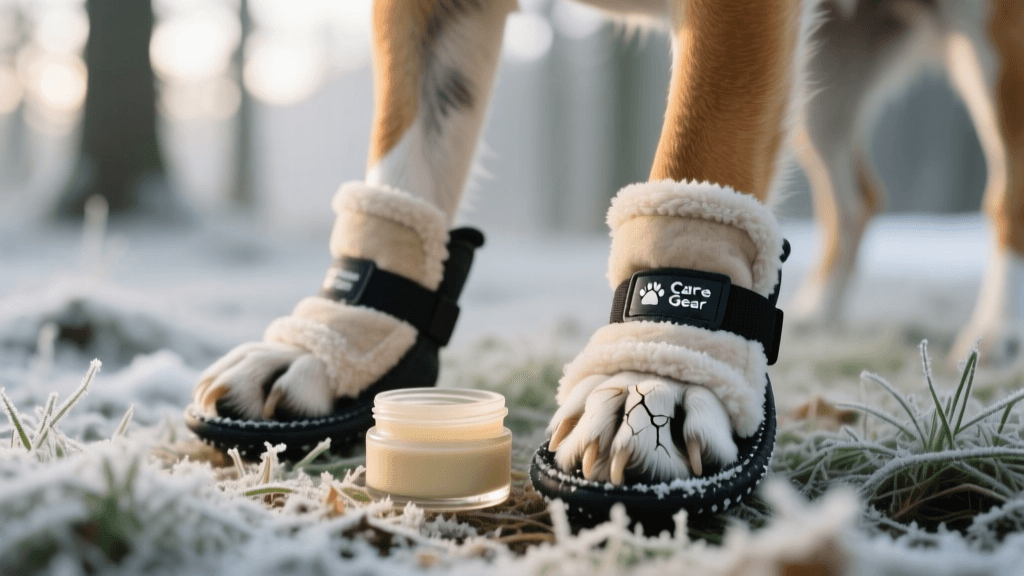
The Hidden Dangers of Winter Walks
When the temperature drops and the snow begins to fall, sharing your life with a dog means adapting your daily routines to protect your furry best friend. While many dogs love romping through fresh snow, winter environments present unique and severe hazards to their most vulnerable extremities: their paws. The combination of freezing temperatures, abrasive ice, and toxic chemical de-icers can quickly turn a joyful winter walk into a painful ordeal.
Most municipalities use rock salt (sodium chloride) or calcium chloride to melt ice on sidewalks and roads. According to the ASPCA, these chemicals are not only highly irritating to canine paw pads, causing dryness, cracking, and chemical burns, but they are also toxic if ingested. Dogs frequently lick their paws after a walk, which can lead to gastrointestinal distress, drooling, and in severe cases, systemic toxicity. Furthermore, sharp ice shards can easily slice the delicate webbing between your dog's toes, leading to painful lacerations that are slow to heal in cold, damp conditions.
Understanding Your Dog's Paw Anatomy
To properly care for your dog's paws, it helps to understand how they are built. The American Kennel Club (AKC) notes that a dog's paw pads are composed of thick, pigmented skin layered over dense fat tissue. This fat acts as an insulator, helping to keep the paws warm and providing shock absorption during runs and jumps. However, this natural insulation has its limits. Prolonged exposure to surfaces below freezing will eventually deplete the heat in the paw pads, leading to tissue damage. Additionally, unlike human skin, dog paw pads contain eccrine sweat glands, which can cause the paws to become damp and subsequently freeze if the dog is standing in snow for extended periods.
Paw Balms vs. Dog Boots: Making the Right Choice
When it comes to protecting your dog's paws, the two primary options are paw balms and dog boots. Choosing between them depends on your dog's temperament, the severity of the weather, and the length of your typical walks.
When to Use Paw Balms
Paw balms are wax-based ointments typically made from natural ingredients like beeswax, shea butter, and vitamin E. They create a semi-permeable barrier that locks in moisture and provides a mild shield against salt and ice. Balms are ideal for quick potty breaks, dogs who absolutely refuse to wear footwear, and urban environments where sidewalks are cleared but lightly salted. However, balms do not offer thermal insulation or physical protection against sharp ice shards.
When to Use Dog Boots
Dog boots provide comprehensive protection. They offer a physical barrier against toxic chemicals, sharp ice, and hidden debris, while insulated models provide crucial thermal retention. Boots are mandatory for long winter hikes, walking in deep snow, or navigating heavily salted urban streets. The primary drawback is the acclimation period; many dogs require weeks of positive reinforcement training to walk normally in boots.
Comprehensive Winter Paw Protection Comparison
| Protection Method | Best Used For | Pros | Cons | Average Cost |
|---|---|---|---|---|
| Paw Balms | Quick walks, mild salt exposure, sensitive skin | Easy to apply, moisturizes pads, no acclimation needed | No thermal insulation, washes off in deep snow, requires reapplication | $10 - $18 |
| Insulated Boots | Long hikes, extreme cold, heavy chemical de-icers | Full physical and thermal protection, keeps paws dry | Requires training to accept, can slip off if sized incorrectly | $60 - $100 |
| Rubber Socks/Booties | Urban walks, salt protection, light rain/slush | Inexpensive, disposable, excellent grip on ice | No insulation, easily torn by sharp ice, not eco-friendly | $15 - $25 (per pack) |
Top-Rated Winter Gear for Dogs
Investing in high-quality gear ensures your dog remains safe and comfortable. Here are specific, actionable recommendations based on extensive field testing and veterinary endorsements.
1. Musher's Secret Dog Paw Wax
Cost: ~$15 for a 2 oz tin.
Application: Apply a generous layer to all pads and the webbing between toes 10 minutes before heading outside. This allows the wax to absorb slightly into the skin rather than just sitting on the surface. Wipe off excess salt and reapply every 45 minutes during long excursions.
2. Ruffwear Polar Trex Dog Boots
Cost: ~$95 per set of four.
Sizing: Have your dog stand on a piece of paper. Mark the widest part of the front and back paws. Measure the distance in millimeters. Ruffwear sizes range from 38mm to 83mm. The front paws are often wider than the back paws, so you may need to purchase two different sizes for a perfect fit. The Vibram outsoles provide exceptional traction on sheer ice.
3. Pawz Rubber Dog Boots
Cost: ~$18 for a pack of 12.
Usage: These are essentially heavy-duty rubber balloons. They are fantastic for keeping salt and chemical melters off the paws during short urban walks. Because they lack insulation, they should only be used when temperatures are above 20°F (-6°C) or paired with a thermal dog sock underneath.
The Essential Post-Walk Paw Cleaning Routine
Protection does not end when you step back inside. A rigorous post-walk routine is vital to remove lingering toxins and inspect for micro-abrasions.
- The Lukewarm Rinse: Keep a shallow basin of lukewarm water or a dedicated paw plunger cup (like the Dexas MudBuster, ~$25) by your front door. Never use hot water, as it can exacerbate inflammation on cold-constricted blood vessels.
- Microfiber Drying: Gently pat the paws dry with a highly absorbent microfiber towel. Pay special attention to the webbing between the toes, as trapped moisture can lead to fungal or bacterial yeast infections.
- Visual Inspection: Spread the toes apart and look for embedded ice balls, salt crystals, or small cuts. Use blunt-nosed grooming scissors to carefully trim the hair between the pads, which reduces the surface area for ice balls to form.
- Rehydration: Once the paws are completely dry, massage a small amount of dog-safe paw butter or coconut oil into the pads to restore moisture lost to the harsh winter air.
Recognizing Frostbite and Cold Stress
Even with the best gear, you must monitor your dog for signs of cold stress. The American Veterinary Medical Association (AVMA) warns that frostbite most commonly affects the extremities, including the paw pads, ear tips, and tail. If your dog's paw pads appear pale, gray, or feel unusually hard and cold to the touch, they may be suffering from early-stage frostbite. Other signs of cold stress include shivering, whining, slowing down, or lifting paws off the ground alternately.
If you suspect frostbite, do not rub the affected area, as this can cause severe tissue damage. Instead, wrap your dog in a warm blanket and apply a warm (not hot) compress to the area, then contact your veterinarian immediately. As a general rule, when temperatures drop below 20°F (-6°C), limit outdoor walks to essential bathroom breaks, regardless of your dog's breed or coat type, unless they are fully equipped with insulated boots and a protective winter coat.
By understanding the specific hazards of winter and equipping yourself with the right balms, boots, and cleaning routines, you can ensure that your life with your dog remains active, joyful, and safe all season long.
jonas-cole
All our authors care for dogs every day — read more of their work on the authors page.