Choosing the Right Apartment Dog: Greyhound vs Frenchie
Discover whether a Greyhound or French Bulldog is the best apartment dog for your lifestyle. Compare space needs, exercise, and daily routines.
The Urban Dilemma: Choosing an Apartment-Friendly Dog
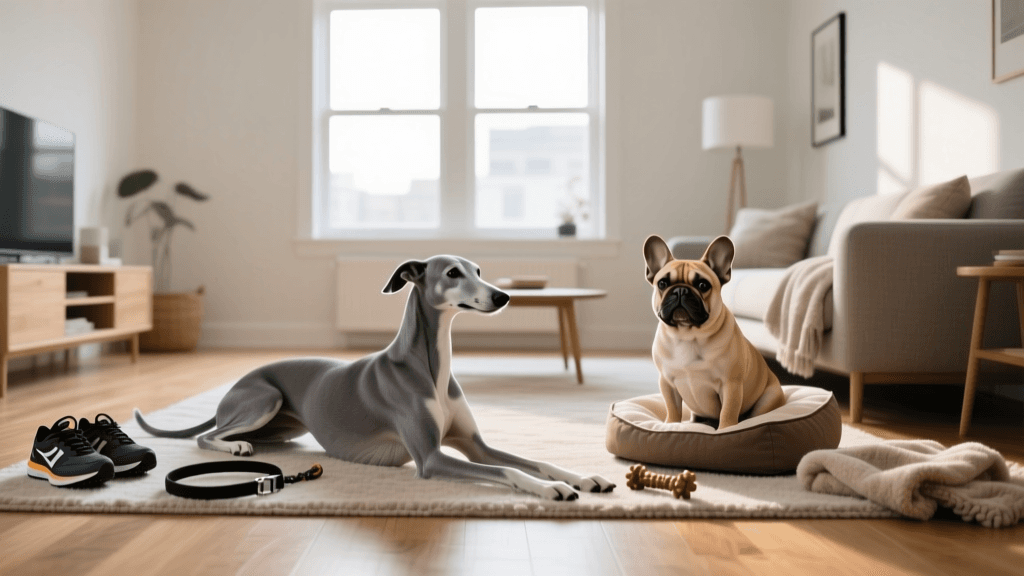
Moving into an apartment or condo doesn't mean you have to sacrifice your dream of dog ownership. However, sharing a confined space with a canine companion demands a realistic look at spatial constraints, noise ordinances, and daily logistics. When prospective urban dog owners begin their breed comparison and selection journey, the French Bulldog frequently tops the list of ideal small apartment dogs. Surprisingly, retired racing Greyhounds are also champion apartment dwellers, famously earning the nickname "45-mph couch potatoes." But how do these two vastly different breeds actually compare when navigating hallway elevators, shared walls, and limited square footage? In this guide, we break down the practical realities of living with a Greyhound versus a French Bulldog in an urban environment.
Meet the Contenders: The Sprinter and The Companion
The Greyhound is an ancient sighthound breed originally developed for coursing game and, more recently, track racing. Despite their athletic background, they are sprinters, not endurance runners, meaning they expend their energy quickly and spend the rest of the day sleeping. The French Bulldog, on the other hand, was bred specifically as a companion animal. Descended from toy bulldogs brought to France by lace workers, they are muscular, compact, and deeply devoted to their human families. Both breeds share a profound love for lounging on the sofa, but their physical needs and temperaments diverge significantly.
Space Requirements and Indoor Temperament
Greyhounds are large dogs, with males typically weighing between 65 and 70 pounds, and females between 60 and 65 pounds. Despite their impressive size, they are notorious for sleeping up to 18 hours a day. They do not pace, roam, or bounce off the walls indoors. However, you must accommodate their long, lean frames. A standard 40-inch crate or a raised orthopedic bed, such as the Kuranda PVC Chewproof Dog Bed (retailing around $140), is essential to prevent painful pressure sores on their bony prominences. Furthermore, Greyhounds can struggle on slippery surfaces like polished apartment lobby tiles or hardwood floors, sometimes requiring dog booties or toe grips for traction.
French Bulldogs are compact, muscular dogs weighing strictly under 28 pounds. They easily fit into standard city elevators, small studio apartments, and tight café corners. However, Frenchies are known to be vocal. While not excessive barkers, they will readily alert-bark at hallway noises, delivery drivers, or neighboring dogs, which can test the patience of neighbors in buildings with thin walls.
Daily Exercise Routines and Outdoor Logistics
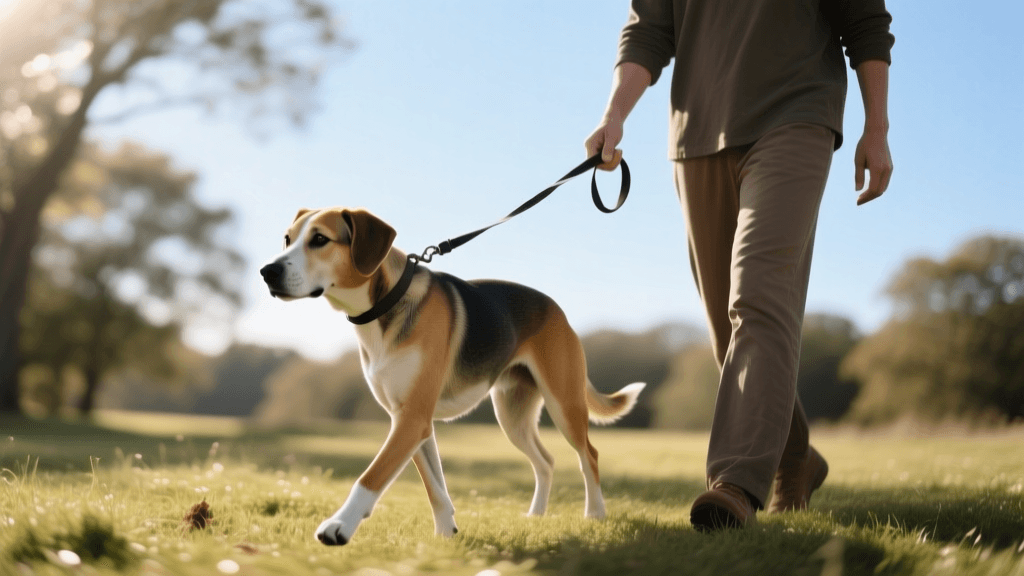
The daily routine for an urban Greyhound involves short bursts of energy followed by deep rest. A typical morning consists of a 20-minute leash walk for sniffing and potty breaks, followed by a weekend visit to a securely fenced dog park for a full-out sprint. According to the American Kennel Club, Greyhounds require moderate exercise but are highly adaptable to a sedentary indoor lifestyle once their sprinting needs are met. It is crucial to note that Greyhounds should never be let off-leash in unfenced areas, as their prey drive will override any recall training.
French Bulldogs require much less physical exertion. A 15-minute morning stroll and an evening "sniffari" are usually sufficient to keep them physically and mentally stimulated. Because Frenchies are a brachycephalic (flat-faced) breed, they are highly susceptible to heat exhaustion and respiratory distress. During summer months, outdoor time must be strictly limited to early mornings or late evenings, and you must always carry a portable water bowl and a cooling mat.
Health Profiles, Grooming, and Financial Costs
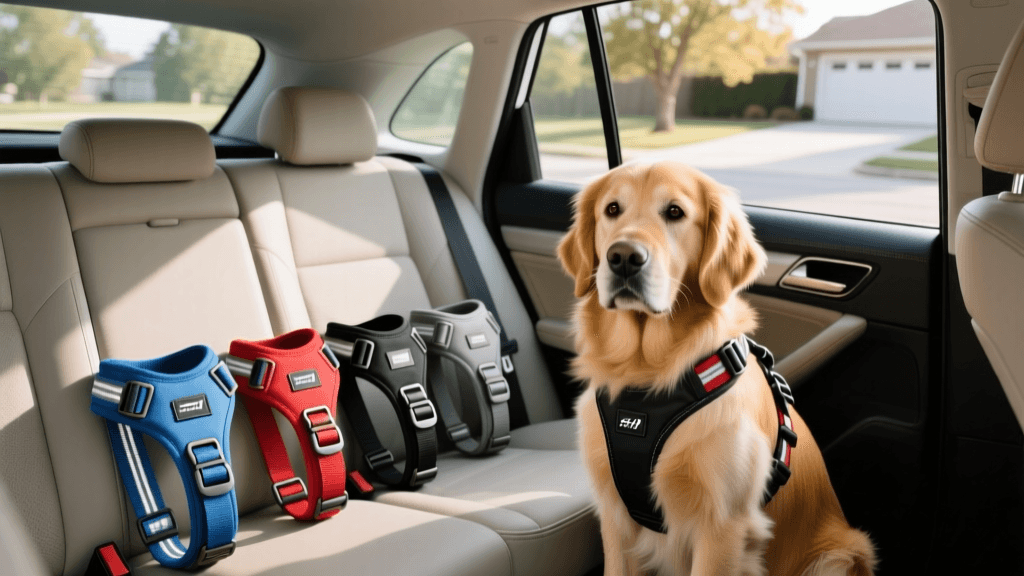
Financial planning is a critical aspect of breed selection, especially regarding veterinary care. French Bulldogs come with significant health caveats. As highlighted in the AKC French Bulldog profile, the breed is prone to Brachycephalic Obstructive Airway Syndrome (BOAS), skin fold dermatitis, and spinal issues like IVDD. Pet insurance for a Frenchie can easily exceed $80 to $120 per month. Furthermore, you must invest in a well-fitted harness, like the Ruffwear Front Range Harness ($40), to avoid putting pressure on their compromised airways during walks.
Greyhounds are generally robust and lack the genetic joint issues common in other large breeds. However, their unique physiology requires specific veterinary knowledge. They have very low body fat, which drastically alters their metabolism of certain anesthetics. You must find a veterinarian experienced with sighthounds before any surgical procedures. Additionally, Greyhounds are highly prone to dental disease, requiring daily brushing and annual professional cleanings. Food costs will also differ: a Greyhound will consume roughly 3 to 4 cups of high-quality kibble daily (about $60-$80 a month), while a Frenchie will eat roughly 1 to 1.5 cups (about $25-$40 a month).
Multi-Pet Households and Socialization
If you live in a multi-pet household or frequently visit communal dog runs, social dynamics matter immensely. Greyhounds possess a strong prey drive. While many retired racers can be trained to live peacefully with cats and small dogs, introductions must be handled with extreme caution. Resources from Greyhound Pets of America emphasize the importance of careful, supervised integration, often requiring a muzzle during the initial transition period when bringing a sighthound into a home with smaller animals.
French Bulldogs are generally highly sociable, eager to please, and less driven by prey instincts, making them excellent candidates for multi-dog households and busy communal dog parks. However, their stubborn streak can make recall training a challenge, and they can sometimes display same-sex aggression if not properly socialized during puppyhood.
Travel, Commuting, and Navigating Shared Spaces
Taking public transit or using rideshares with a dog requires logistical foresight. Greyhounds are large, which can make standard rideshares (like Uber or Lyft) difficult unless you book an UberXL or find a driver willing to accommodate a 70-pound dog in the backseat. They also take up significant space on public transit during rush hour. Frenchies, conversely, are the ultimate urban commuters. They easily fit into an airline-approved soft-sided carrier (like the Sherpa Original Deluxe, ~$50) and are generally welcomed in pet-friendly cafes, retail stores, and outdoor dining patios due to their small, unobtrusive stature.
Head-to-Head Comparison Chart
| Feature | Greyhound | French Bulldog |
|---|---|---|
| Average Weight | 60 - 70 lbs | Under 28 lbs |
| Daily Exercise | 45 mins (including sprinting) | 20 - 30 mins (leisurely) |
| Barking Level | Very Low | Moderate (Alert Barking) |
| Heat Tolerance | Moderate | Very Low (Brachycephalic) |
| Prey Drive | High | Low to Moderate |
| Estimated Monthly Food Cost | $60 - $80 | $25 - $40 |
| Insurance Costs | $30 - $50 / month | $80 - $120 / month |
Final Verdict: Which Breed Fits Your Lifestyle?
Choosing between a Greyhound and a French Bulldog ultimately comes down to your specific living situation, budget, and daily routine. If you have a slightly larger apartment, a moderate budget for food, and enjoy spending your weekends at fenced-in dog parks or hiking trails, the Greyhound is a remarkably gentle, quiet, and affectionate roommate. They are perfect for those who want a large dog with a small dog's indoor energy level.
On the other hand, if you live in a compact studio, rely on public transit, frequent pet-friendly cafes, and are prepared for the higher veterinary costs associated with brachycephalic breeds, the French Bulldog is an unparalleled urban companion. Both breeds offer immense love and loyalty, proving that the best apartment dog is the one whose needs align perfectly with your lifestyle.
marcus-aldridge
All our authors care for dogs every day — read more of their work on the authors page.