Winter Dog Hiking: Essential Paw Care and Safety Gear
Discover essential winter dog hiking tips, including paw care routines, cold-weather gear, and temperature safety charts to keep your pup safe on the trails.
Embracing the Winter Trails with Your Canine Companion
Winter transforms familiar hiking trails into breathtaking, snow-covered wonderlands. For avid outdoorsmen and their canine companions, the crisp air and quiet forests offer an unparalleled hiking experience. However, sharing your life with a dog means taking on the responsibility of their safety in extreme conditions. Cold weather hiking requires meticulous preparation, specialized gear, and a deep understanding of your dog's physiological limits. According to the American Kennel Club (AKC), winter conditions pose unique risks ranging from hypothermia to chemical burns on paw pads. This comprehensive guide will equip you with the actionable knowledge needed to tackle winter trails safely.
Decoding Cold Weather Tolerance: Know Your Dog's Limits
Before stepping onto the snow, you must assess your dog's cold-weather tolerance. Factors such as coat type, body fat percentage, age, and overall health dictate how long your dog can safely remain outdoors. While a Siberian Husky or Alaskan Malamute thrives in sub-zero temperatures, a Greyhound or Chihuahua can develop hypothermia in a matter of minutes when the thermometer drops below freezing.
| Temperature Range | Risk Level | Suitable Breeds & Conditions |
|---|---|---|
| Above 45°F (7°C) | Low | All breeds; standard hiking conditions. |
| 32°F to 45°F (0°C to 7°C) | Moderate | Cold-averse breeds need monitoring; thick-coated breeds are fine. |
| 20°F to 32°F (-6°C to 0°C) | High | Small, short-haired, or senior dogs should limit exposure. Use jackets. |
| Below 20°F (-6°C) | Severe | Only cold-weather working breeds with proper conditioning and gear. |
The Ultimate Winter Paw Care Protocol
Your dog's paw pads are incredibly resilient, but they are not impervious to winter hazards. Ice shards can cause micro-lacerations, while municipal de-icing salts (often containing sodium chloride or calcium chloride) can cause severe chemical burns and systemic toxicity if ingested during grooming. The ASPCA strongly recommends wiping your dog's paws after every winter walk to remove these toxic chemicals.
Pre-Hike Preparation
- Pad Wax Application: Apply a generous layer of a high-quality paw wax like Musher's Secret Pet Paw Protectant (approx. $16 for a 2oz tin). Massage it into the pads and between the toes 15 minutes before heading out. This creates a semi-permeable barrier against salt and prevents snow from clumping into painful ice balls.
- Trimming Paw Fur: Use blunt-nosed grooming scissors to trim the hair between your dog's toe pads flush with the skin. Excess fur acts as a magnet for snow accumulation.
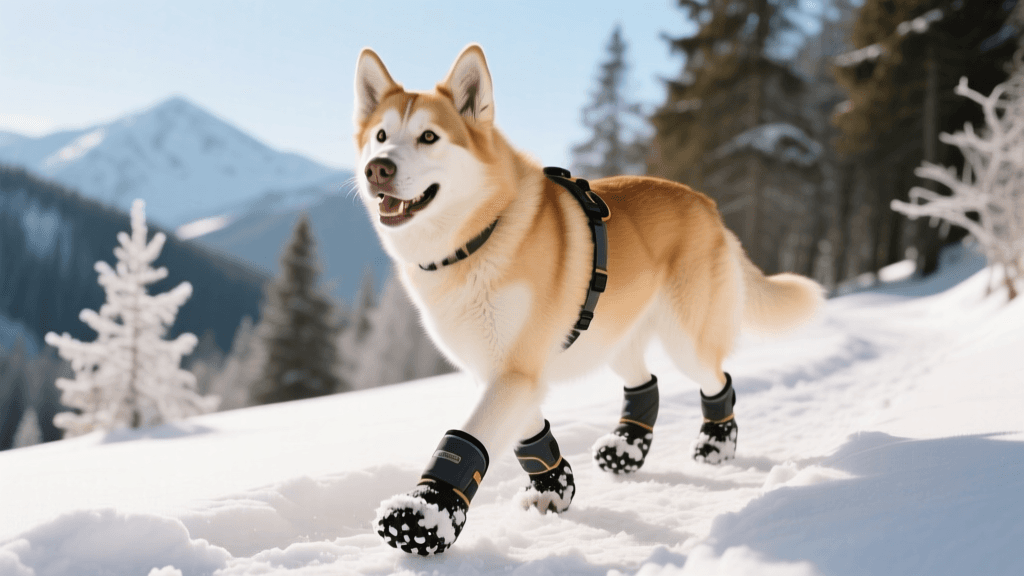
- Canine Footwear: For rugged, icy terrain, invest in durable dog boots. The Ruffwear Grip Trex boots (approx. $120 for a set of four) feature Vibram outsoles for traction and breathable mesh that keeps snow out while allowing the paw to breathe.
Post-Hike Recovery
Upon returning to the trailhead or home, immediate paw care is non-negotiable. Keep a portable paw washer like the Dexas MudBuster (approx. $25) in your car. Fill it with lukewarm water and a dash of dog-safe shampoo to gently dissolve road salt and melt ice. Dry each paw thoroughly with a microfiber towel, paying special attention to the spaces between the toes to prevent fungal or bacterial infections caused by trapped moisture. Inspect each pad for cracks, redness, or embedded ice shards.
If you notice severe cracking or bleeding, apply a dog-safe antibacterial ointment and consult your veterinarian. Avoid using human lotions, as they can soften the pads too much, making them more susceptible to tearing on rough terrain.
Essential Cold-Weather Gear for Active Dogs
Beyond paw protection, equipping your dog with the right winter apparel is crucial for maintaining core body temperature and ensuring visibility during shorter winter days.
Insulated Trail Jackets
A waterproof, insulated jacket is mandatory for dogs with single coats or low body fat. The Hurtta Summit Parka (approx. $110) is an industry favorite, featuring a thermal foil lining that reflects the dog's body heat and a high, protective collar that shields the neck from biting winds. Ensure the jacket covers the dog's core, from the base of the neck to the base of the tail, without restricting shoulder movement.
Canine Eye Protection
Snow blindness (photokeratitis) is a real threat when hiking at high altitudes or on bright, sunny days where UV rays reflect off the snow. Rex Specs Dog Goggles (approx. $85) provide UV400 protection and shatterproof lenses. Introduce the goggles gradually in a controlled indoor environment, using high-value treats to build a positive association before taking them onto the snowy trails.
Visibility and Tracking
Winter days are short, and dusk can fall rapidly in forested areas. Equip your dog's collar or harness with an LED light, such as the Nite Ize SpotLit LED Carabiner (approx. $25). Additionally, ensure your dog's GPS tracker (like the Fi Smart Collar or Whistle Go Explore) is fully charged, as cold temperatures can drain lithium-ion batteries up to 30% faster than in mild weather. For dogs with long, floppy ears that drag in the snow, consider a snood or neck gaiter to keep ice out of their ear canals, which can lead to painful ear infections.
Trail Hazards and Emergency Preparedness
Even with the best gear, winter environments present hidden dangers. Antifreeze (ethylene glycol) is highly toxic and has a sweet taste that attracts dogs. According to the Humane Society of the United States, even a few licks of antifreeze from a driveway puddle can cause fatal kidney failure. Keep your dog on a leash near parking lots and trailheads, and carry a pet-specific first aid kit.
Recognizing Hypothermia: If your dog exhibits violent shivering, lethargy, shallow breathing, or a stiff gait, they may be suffering from hypothermia. Immediately halt the hike, wrap them in an emergency Mylar space blanket, and provide a safe, external heat source like a chemical hand warmer wrapped in a towel (never apply heat directly to the skin).
Frostbite is another critical concern, typically affecting the extremities such as the tail tip, ear edges, and scrotum. The skin may appear pale or grayish and feel unusually cold or brittle to the touch. If you suspect frostbite, do not rub the affected area, as this can cause severe tissue damage. Instead, warm the area gradually with lukewarm (not hot) water and seek immediate veterinary care.
Hydration and Caloric Needs
Dogs burn significantly more calories trying to maintain their core temperature in the cold. Increase your dog's daily food intake by 10% to 25% during heavy winter hiking seasons, depending on the intensity of the exercise. Furthermore, dogs still dehydrate in the winter. Carry an insulated water bottle to prevent the water from freezing, and offer frequent drinking breaks. Never allow your dog to eat snow as a substitute for water, as this lowers their core temperature and forces their body to expend vital energy warming the ice.
Conclusion
Sharing your life with a dog means adapting your routines to ensure their safety and happiness year-round. Winter hiking can be a profoundly rewarding experience that strengthens the bond between you and your canine companion. By respecting temperature thresholds, implementing a rigorous paw care protocol, and investing in high-quality cold-weather gear, you can confidently explore the winter wilderness. Always prioritize your dog's well-being over reaching the summit, and remember that a safe return to the trailhead is the true mark of a successful hike.
beth-carrasco
All our authors care for dogs every day — read more of their work on the authors page.