Senior Dog Care: Adjusting Daily Routines for Aging Pets
Learn how to adjust your senior dog's daily routine, diet, and home environment to ensure comfort, mobility, and cognitive health in their golden years.
Embracing the Golden Years: A Proactive Approach to Senior Dog Care
Sharing your life with a dog is a profound privilege, but as the years pass, the vibrant puppy or energetic adult you once knew begins to slow down. The transition into a dog's senior years requires a proactive shift in how you manage their daily routine, environment, and healthcare. Aging is not a disease, but it does bring about physiological changes that demand adjustments to maintain your dog's quality of life. According to the American Kennel Club (AKC), senior dogs require specialized attention to their joints, cognitive function, and metabolic needs to thrive. This comprehensive guide will walk you through the practical, actionable steps to adapt your life and home for your aging companion, ensuring their golden years are as comfortable, mobile, and joyful as possible.
Understanding the Senior Timeline: When Does Aging Begin?
Not all dogs age at the same rate. The common myth that one dog year equals seven human years is a vast oversimplification. A dog's size, genetics, and breed heavily influence their lifespan and the exact age at which they are considered "senior." The American Animal Hospital Association (AAHA) notes that larger breeds age significantly faster than smaller breeds, meaning a Great Dane may enter their senior years while a Chihuahua is still in their prime adulthood. Knowing your dog's specific timeline allows you to implement preventative care before mobility issues or metabolic slowdowns become severe.
| Size Category | Weight Range | Senior Age Threshold | Common Aging Concerns |
|---|---|---|---|
| Small Breeds | Under 20 lbs | 10 - 12 Years | Dental disease, luxating patellas, tracheal collapse |
| Medium Breeds | 21 - 50 lbs | 8 - 10 Years | Arthritis, weight gain, early cognitive decline |
| Large Breeds | 51 - 90 lbs | 7 - 9 Years | Hip dysplasia, osteoarthritis, cardiac issues |
| Giant Breeds | 90+ lbs | 5 - 7 Years | Severe joint degradation, bloat, rapid muscle loss |
Modifying the Daily Exercise Routine
Exercise remains critical for senior dogs to maintain muscle mass, support joint health, and manage weight. However, the type and intensity of exercise must change. High-impact activities like agility, frisbee, or long-distance running on hard pavement should be phased out to prevent micro-fractures and joint inflammation.
The "Sniffari" and Low-Impact Movement
Replace one of your standard brisk walks with a "sniffari." Allow your dog to dictate the pace, spending 15 to 20 minutes simply sniffing their environment. Sniffing lowers a dog's heart rate and provides immense mental enrichment, tiring them out just as effectively as physical exertion. For physical conditioning, swimming or using an underwater treadmill (often available at canine physical therapy centers for $60–$90 per session) provides zero-impact resistance training that preserves hindquarter muscle mass without stressing the joints.
Supportive Gear for Mobility
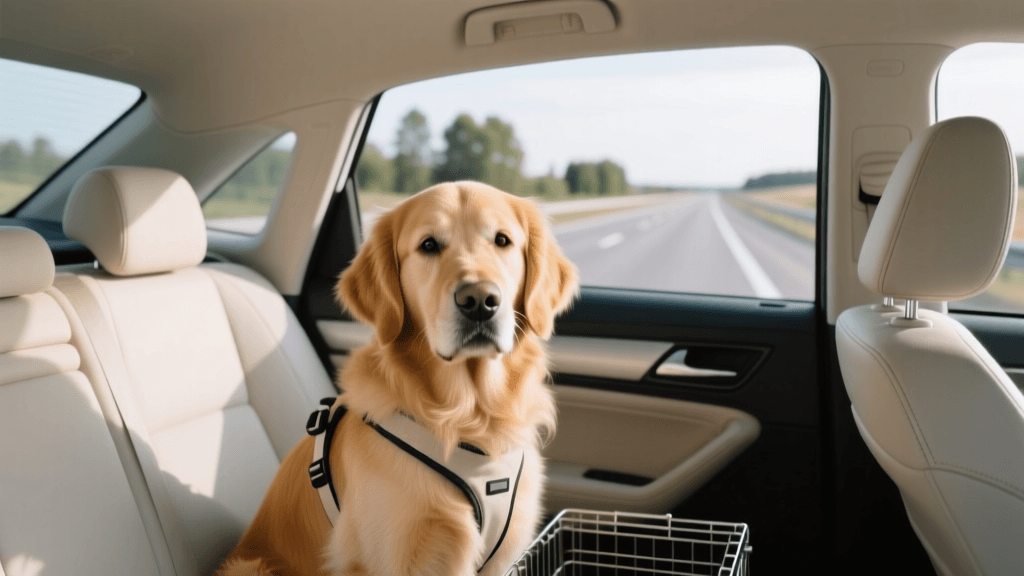
If your dog struggles with stairs, car rides, or slippery floors, invest in a supportive harness. The Ruffwear Web Master Harness (approx. $90) features a padded chest and a sturdy top handle, allowing you to gently lift and support your dog's hindquarters or chest when navigating obstacles. For daily walks, switch from a neck collar to a front-clip no-pull harness to prevent tracheal pressure, which is especially important for older dogs prone to respiratory issues.
Dietary Shifts and Targeted Supplementation
As a dog's metabolism slows, their caloric needs decrease by roughly 10% to 20%. Continuing to feed them the same volume of high-fat adult kibble can lead to obesity, which places catastrophic stress on aging joints. Transition to a high-quality senior dog food that features moderate, highly digestible proteins (aim for 25-30% crude protein) and added fiber to promote satiety without excess calories.
Essential Joint and Cognitive Supplements
Diet alone is rarely enough to combat the cellular degradation of aging. Consult your veterinarian about integrating the following targeted supplements into your dog's daily routine:
- Glucosamine & Chondroitin: Look for veterinary-grade brands like Dasuquin Advanced or Cosequin ($40–$80 for a two-month supply). These compounds provide the building blocks for cartilage repair and synovial fluid lubrication.
- Omega-3 Fatty Acids (EPA/DHA): Sourced from wild-caught salmon or green-lipped mussel oil. The therapeutic dose for joint inflammation is generally 75-100 mg of combined EPA/DHA per kilogram of body weight. Products like Nordic Naturals Omega-3 Pet ($25) offer reliable purity.
- MCT Oil and Antioxidants: Medium-chain triglycerides (MCTs) provide an alternative energy source for the aging brain, helping to stave off Canine Cognitive Dysfunction (CCD). A daily dose of 1 teaspoon of dog-safe coconut oil or a specialized brain-support supplement can improve alertness.
Home Environment and Comfort Modifications
Your home environment can either support your senior dog's independence or become a daily obstacle course. Making a few strategic, cost-effective modifications can drastically improve their daily comfort and prevent catastrophic falls.
Orthopedic Sleeping Arrangements
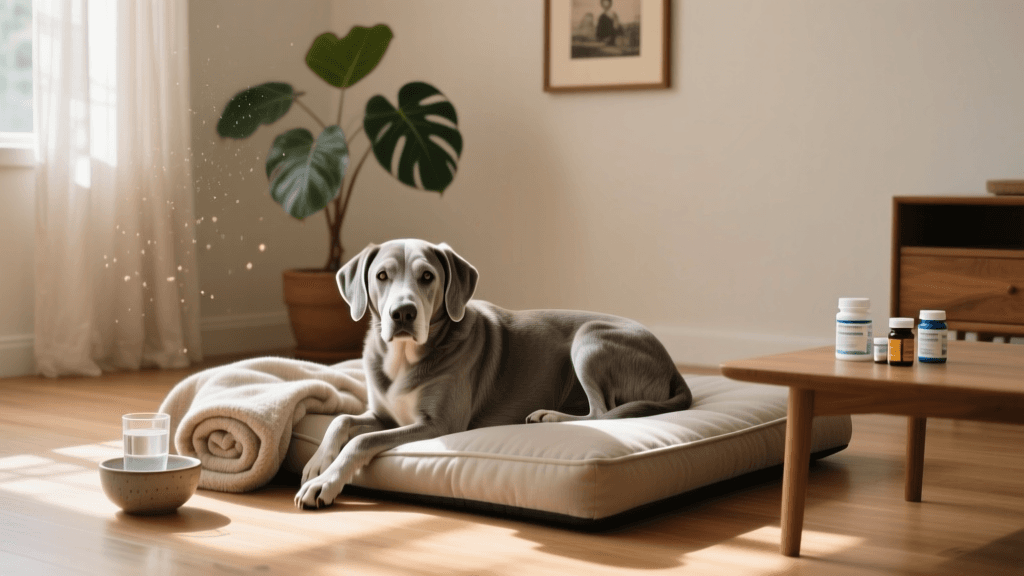
Thin, polyester-stuffed dog beds offer zero support for arthritic joints. Invest in an orthopedic bed featuring a minimum of 4 inches of high-density memory foam. Brands like Big Barker ($200–$300) offer 10-year warranties and therapeutic support, while budget-friendly options like Furhaven Orthopedic Sofa Beds ($40–$70) provide decent bolsters for neck support. Place beds in draft-free areas, away from direct HVAC vents, as senior dogs struggle to regulate their body temperature.
Ramps, Stairs, and Traction
Jumping on and off furniture or into SUVs can cause spinal compression or torn cruciate ligaments. Use a folding pet ramp with an incline no steeper than 18 to 20 degrees. The PetSafe Happy Ride Folding Ramp ($80–$110) features a high-traction surface and supports up to 150 lbs. Inside the home, hardwood and tile floors are incredibly dangerous for dogs with weakened hind legs. Lay down interlocking foam puzzle mats or secure non-slip rubber-backed runners ($30–$60) in high-traffic areas and near their water bowls to provide reliable grip.
Cognitive Enrichment and Mental Health
Physical decline is only half the battle; cognitive aging is equally impactful. Canine Cognitive Dysfunction (CCD) is akin to Alzheimer's in humans, presenting as disorientation, altered sleep-wake cycles, and decreased interaction. Keeping the brain active builds cognitive reserve.
Aging is not a disease to be cured, but a life stage to be supported with empathy, science, and patience. Mental enrichment is just as vital as physical comfort for the senior dog.
Ditch the standard food bowl and introduce puzzle feeders. A Snuffle Mat ($20–$30) encourages natural foraging behaviors and can turn a 2-minute meal into a 15-minute brain game. For anxiety relief and mental stimulation, use a Lick Mat ($10–$15) spread with plain pumpkin puree or dog-safe peanut butter, then freeze it for 30 minutes. Licking releases endorphins in the canine brain, promoting calmness. Keep training sessions short—just 3 to 5 minutes a day—focusing on low-mobility tricks like "touch" (targeting your hand with their nose) or "look" to maintain neural pathways without physical strain.
Veterinary Screening and Preventative Care
The ASPCA strongly recommends that senior dogs transition from annual to bi-annual veterinary examinations. Because dogs age rapidly, a six-month gap is equivalent to several human years, allowing for the early detection of silent diseases like chronic kidney disease (CKD), hypothyroidism, and diabetes.
The Senior Blood Panel
Request a comprehensive senior wellness panel at least once a year. This should include a Complete Blood Count (CBC), a full chemistry panel (specifically looking at BUN, Creatinine, and SDMA for kidney function), a urinalysis to check for protein loss and concentration ability, and a thyroid panel (Total T4). The cost for a senior panel typically ranges from $150 to $300, depending on your geographic location and clinic. Early detection of microalbuminuria (protein in the urine) or elevated SDMA can allow you to implement renal diets and fluid therapy years before the dog shows clinical signs of illness.
Daily Routine Chart for the Senior Dog
| Time of Day | Activity | Purpose & Details |
|---|---|---|
| Morning (7:00 AM) | 15-Minute Sniffari & Potty | Low-impact movement, mental stimulation, joint warm-up. |
| Breakfast (7:30 AM) | Senior Diet + Supplements | Hydrate kibble with warm water or low-sodium bone broth; administer joint meds. |
| Midday (12:00 PM) | Lick Mat & Potty Break | Frozen lick mat for cognitive enrichment and anxiety reduction. |
| Afternoon (3:00 PM) | Orthopedic Rest & Massage | 10 minutes of gentle effleurage massage on hindquarters to stimulate blood flow. |
| Evening (6:00 PM) | Dinner & 5-Min Training | Snuffle mat feeding followed by low-mobility trick training for brain health. |
Conclusion
Caring for a senior dog is a labor of love that requires observation, adaptation, and a willingness to change long-held routines. By modifying their exercise to prioritize joint health, optimizing their diet with targeted supplements, and transforming your home into a supportive sanctuary, you can dramatically enhance their quality of life. The golden years may be slower, but with the right care, they can be some of the most deeply bonded and peaceful years you share together.
anouk-beaumont
All our authors care for dogs every day — read more of their work on the authors page.