Winter Dog Hiking: Essential Gear and Paw Protection
Discover essential winter dog hiking gear, paw protection tips, and safety advice to keep your furry friend warm and safe on cold-weather trails.
Embracing the Winter Wilderness With Your Dog
Winter transforms familiar hiking trails into breathtaking, snow-covered wonderlands. For avid dog owners, the crisp air and quiet landscapes offer a unique opportunity to bond with their canine companions away from the crowded summer paths. However, sharing your life with a dog means taking responsibility for their safety in extreme conditions. Cold weather hiking requires specialized preparation, from understanding your dog's physiological limits to investing in the right protective gear. This comprehensive guide covers everything you need to know about seasonal winter care, ensuring your outdoor adventures remain safe, comfortable, and joyful for both you and your four-legged best friend.
Understanding Your Dog's Cold Tolerance
Not all dogs are built for the snow. A dog's ability to withstand cold temperatures depends on a variety of factors including their coat type, body fat percentage, age, and overall health. Breeds with thick double coats, such as Siberian Huskies, Alaskan Malamutes, and Bernese Mountain Dogs, possess a natural insulation that allows them to thrive in sub-zero temperatures. Conversely, short-haired breeds like Greyhounds, Boxers, and Chihuahuas lose body heat rapidly and require significant external insulation.
Age and health also play critical roles. Puppies, senior dogs, and those with underlying health conditions like arthritis or hypothyroidism struggle to regulate their body temperature. According to the American Society for the Prevention of Cruelty to Animals (ASPCA), it is vital to recognize that if it is too cold for you, it is likely too cold for your pet. Always monitor your dog's behavior and adjust your hiking duration based on their specific cold tolerance.
Essential Winter Hiking Gear for Dogs
Insulated Jackets and Parkas
For dogs that lack a heavy undercoat, a high-quality insulated jacket is non-negotiable. Look for jackets that cover the chest, back, and belly, as the belly is highly susceptible to heat loss and snow accumulation. The Ruffwear Overcoat Fuse (approximately $90 to $110) is a popular choice among hikers due to its durable water-repellent (DWR) finish and built-in harness. Alternatively, the Hurtta Polar Parka offers exceptional warmth for extreme cold, featuring a fleece-lined collar that protects the neck and chest. When measuring your dog for a jacket, use a soft tape measure to find the girth (the widest part of the ribcage) and the back length (from the base of the neck to the base of the tail) to ensure a snug, chafe-free fit.
Protective Dog Booties
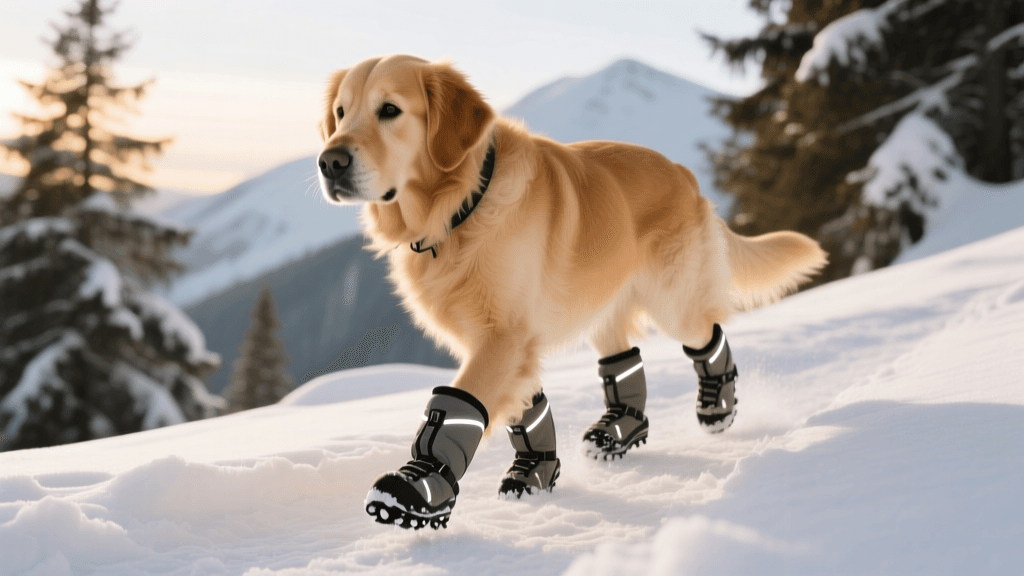
Snow, ice, and jagged frozen terrain can wreak havoc on unprotected paws. Dog booties provide a physical barrier against abrasive ice crusts and toxic chemical de-icers. The Ruffwear Polar Trex boots (around $95) feature insulated uppers and Vibram outsoles for excellent traction on ice. Another excellent option is Muttluks, which offer various tiers of insulation depending on the severity of the climate. Getting your dog accustomed to booties takes time. Start by letting them wear the boots indoors for five-minute intervals, rewarding them with high-value treats like freeze-dried liver, before gradually transitioning to short outdoor walks.
Visibility Gear for Shorter Days
Winter days are short, and dusk can fall rapidly on the trail, reducing visibility. Equip your dog with an LED collar or a clip-on light. The Nite Ize SpotLit (under $15) is a budget-friendly, weather-resistant LED that clips directly to your dog's existing collar or harness, ensuring you can keep eyes on them during twilight hours or in dense, snow-filled forests.
Paw Protection: Navigating Ice and De-icers
Even if your dog tolerates booties, paw care remains a cornerstone of winter dog ownership. When hiking near urban trails or parking lots, your dog's paws are exposed to rock salt and chemical ice melts. These substances can cause severe chemical burns on the paw pads and are highly toxic if ingested when the dog licks their paws later. The American Kennel Club (AKC) strongly recommends wiping your dog's paws with a warm, damp cloth immediately after any winter outing to remove these hazardous residues.
For trails where booties are impractical or for dogs that absolutely refuse to wear them, a high-quality paw wax is essential. Musher's Secret Paw Wax (approximately $15 to $20) is a dense, natural wax made from food-grade ingredients. When applied generously to the paw pads and between the toes before a hike, it creates a semi-permeable barrier that prevents snow from packing into ice balls between the toes—a painful condition that can cause limping and micro-tears in the skin. Reapply the wax every 45 to 60 minutes during long hikes.
Trail Nutrition and Hydration
A common misconception is that dogs only need extra water in the summer heat. In reality, the dry winter air and the sheer caloric energy required to trek through snow and maintain body heat make winter hydration and nutrition equally critical. A dog hiking in deep snow can burn up to 30% more calories than on a summer dirt trail.
Pack an insulated water bottle designed for dogs, such as the Kurgo Gourd, to prevent the water from freezing solid. Offer small, frequent sips every 20 minutes. For nutrition, bring high-fat, high-protein trail snacks. Zuke's Z-Bones or freeze-dried minnow treats provide dense caloric energy that helps fuel your dog's internal furnace without adding excessive bulk to your pack.
Recognizing Cold Stress and Hypothermia
Hypothermia occurs when a dog's core body temperature drops below the normal range of 101°F to 102.5°F. Prolonged exposure to cold, wet, and windy conditions accelerates heat loss. According to veterinary experts at PetMD, early intervention is critical to preventing severe cardiovascular and neurological complications. Familiarize yourself with the signs of cold stress so you can act before an emergency develops.
| Severity Level | Symptoms of Cold Stress | Immediate Action Required |
|---|---|---|
| Mild | Shivering, whining, lifting paws alternately, seeking shelter | Increase hiking pace to generate body heat, offer high-calorie treats, check paws for ice accumulation |
| Moderate | Intense shivering, lethargy, slow breathing, pale gums | End the hike immediately, wrap the dog in an emergency Mylar blanket, carry them if possible |
| Severe | Shivering stops, muscle stiffness, dilated pupils, unresponsiveness | This is a life-threatening emergency. Wrap in warm layers and transport to the nearest emergency veterinarian immediately |
Post-Hike Recovery Routine
The care for your dog does not end when you reach the trailhead. A structured post-hike recovery routine is vital for maintaining their long-term joint and skin health. Follow this checklist after every winter excursion:
- The Paw Soak: Use a portable paw plunger cup filled with lukewarm water and a drop of dog-safe shampoo to thoroughly clean between the toes, removing salt, dirt, and microscopic ice shards.
- The Towel Dry: Vigorously towel dry the coat, paying special attention to the underbelly, armpits, and groin, where moisture can linger and cause a rapid drop in core temperature.
- The Pad Inspection: Examine the paw pads for cracks, redness, or abrasions. Apply a restorative balm containing shea butter and vitamin E to promote overnight healing.
- Joint Support: Cold weather exacerbates arthritis and joint stiffness. Consider adding a joint supplement containing glucosamine and chondroitin to their dinner, or provide a heated orthopedic bed for them to rest on.
By respecting the elements and preparing meticulously, you can safely extend your hiking season year-round. Winter hiking with your dog is a profoundly rewarding experience that strengthens your bond, provided you prioritize their comfort, visibility, and physical well-being on every step of the snowy trail.
priya-sutaria
All our authors care for dogs every day — read more of their work on the authors page.