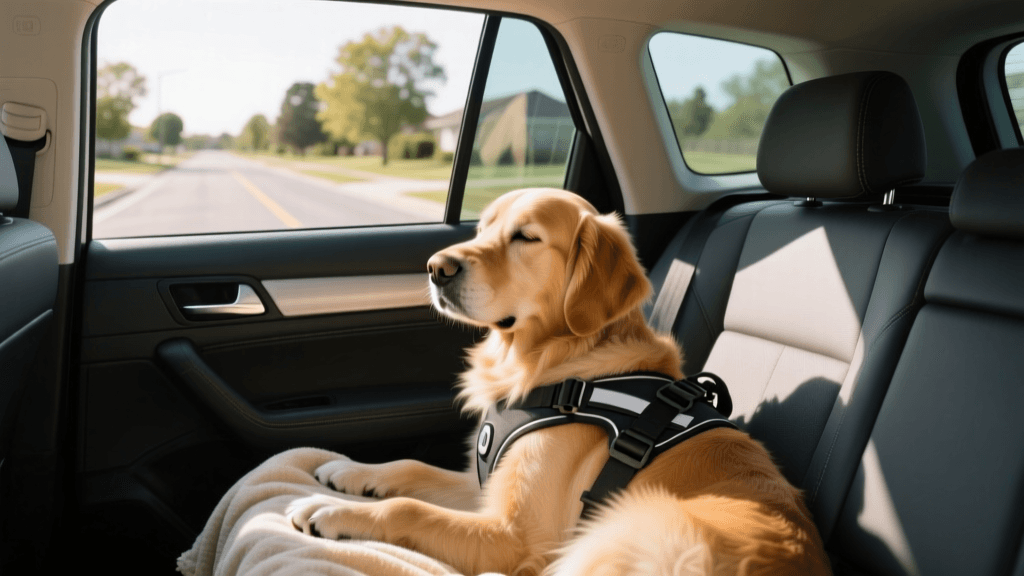
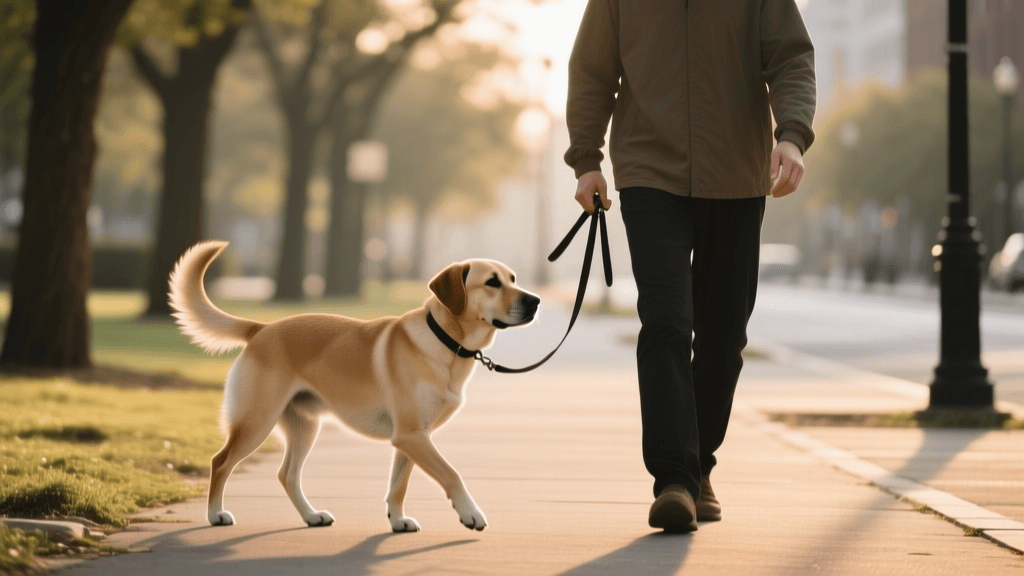
Best Crash-Tested Dog Car Harnesses for Safe Travel
Discover the best crash-tested dog car harnesses for safe road trips. Compare top CPS-certified brands, sizing tips, and travel safety advice.
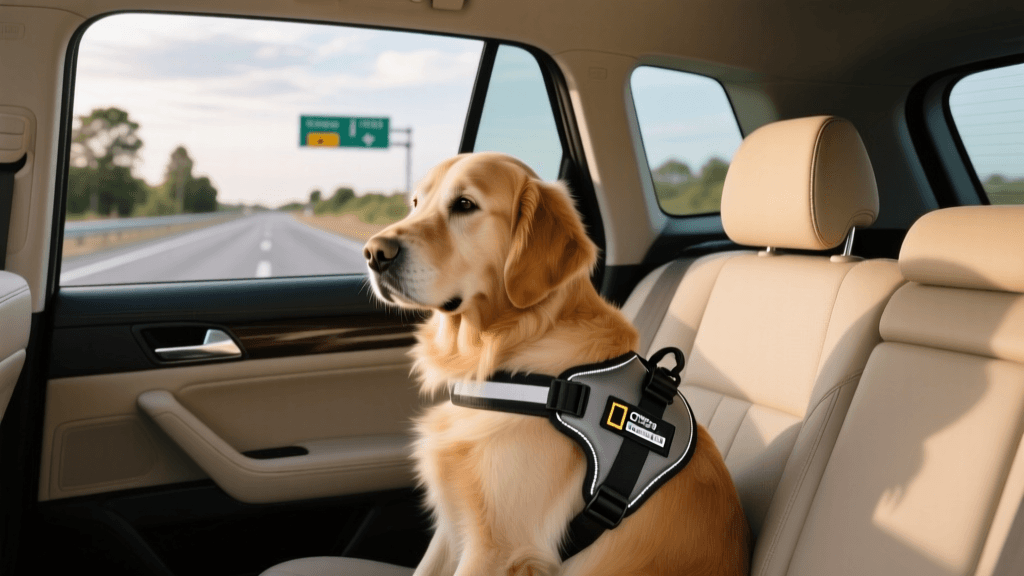
The Hidden Danger of Unrestrained Dogs in Vehicles
Road trips with your canine companion are one of life’s greatest joys. Whether you are heading to a local hiking trail, visiting family across the state, or embarking on a cross-country adventure, bringing your dog along makes the journey infinitely better. However, amidst the excitement of travel, many pet parents overlook a critical aspect of daily life with a dog: vehicular safety. While it might seem harmless to let your dog roam freely in the backseat or stick their head out the window, an unrestrained dog in a moving vehicle is a severe safety hazard to themselves, you, and your passengers.
Consider the physics of a car crash. In a collision occurring at just 35 miles per hour, an unrestrained 60-pound dog is transformed into a projectile exerting roughly 2,700 pounds of force. This immense impact can cause fatal injuries to the dog and devastating trauma to any human in the vehicle's path. Furthermore, a frightened, loose dog can distract the driver, crawl under the brake pedal, or escape through a broken window post-accident. To mitigate these risks, investing in a certified, crash-tested dog car harness is not just a recommendation; it is an absolute necessity for responsible pet owners.
What Makes a Harness "Crash-Tested"?
The pet industry is largely unregulated, meaning any manufacturer can slap the words "safety tested" or "crash-proof" on a standard walking harness. True crash testing requires rigorous, independent, and scientific evaluation. This is where the Center for Pet Safety (CPS) steps in. As a non-profit research and advocacy organization, CPS conducts independent crash testing on pet products using the same Federal Motor Vehicle Safety Standard (FMVSS 213) criteria that the government uses to test child safety seats.
To earn a CPS certification, a dog car harness must undergo dynamic crash testing using specially engineered, realistic dummy dogs equipped with internal sensors. The harness must keep the dummy securely in place, prevent excessive rotation, and maintain structural integrity without tearing, breaking, or releasing the buckle under extreme G-force loads. When you see a product bearing the CPS Certified logo, you can trust that it has survived the most stringent safety tests available in the pet industry.
Top 3 Crash-Tested Dog Car Harnesses Reviewed
After analyzing structural designs, ease of use, comfort, and independent safety ratings, we have narrowed down the top crash-tested car harnesses on the market. Here is our buyer's guide to the best options for your furry co-pilot.
1. Sleepypod Clickit Sport
The Sleepypod Clickit Sport is widely regarded as the gold standard for canine car safety. It was one of the first harnesses to pass the rigorous CPS dynamic crash tests with a perfect 5-star rating. The design features a broad, energy-absorbing padded vest that distributes force across the dog's chest and shoulders during a sudden stop or collision.
What makes the Clickit Sport incredibly practical for daily life is its three-point connection system. It secures the dog using the vehicle's existing lap and shoulder belt, routing it through the harness's rear loops to keep the dog firmly planted in the seat. As a bonus, it doubles as an excellent everyday walking harness, complete with a D-ring for leash attachment.
Best For: Everyday use, dogs that need a walking harness that seamlessly transitions to car travel, and owners prioritizing maximum impact distribution.
2. Sleepypod Clickit Terrain
If you love the safety profile of the Clickit Sport but want a more rugged, outdoor-ready design, the Sleepypod Clickit Terrain is the premium upgrade. Also boasting a 5-star CPS certification, the Terrain model utilizes high-strength aluminum buckles inspired by rock-climbing gear, making it incredibly durable and much easier to put on and take off than the Sport model.
The Terrain harness features a quick-release buckle system, meaning you don't have to thread the seatbelt through loops every single time you get in the car; you simply click the heavy-duty carabiners into the vehicle's latch anchors or seatbelt receptacles. It also includes reflective strips for high visibility during nighttime walks and a rugged top handle for lifting or assisting your dog into tall SUVs.
Best For: Active, outdoor dogs, owners who want a faster buckle-in/buckle-out experience, and large breeds that need extra durability.
3. Kurgo Enhanced Strength Tru-Fit Smart Harness
The Kurgo Tru-Fit Smart Harness (specifically the Enhanced Strength version) is a highly popular, budget-friendly option that has successfully passed CPS crash testing when used with its included 10-inch seatbelt tether. The standout feature of this harness is its steel nesting buckles, which are modeled after mountaineering harnesses, ensuring they will never snap under pressure.
It features five distinct adjustment points, allowing for a highly customized fit that accommodates deep-chested breeds like Greyhounds or barrel-chested breeds like Bulldogs. The padded chest plate reduces stress on the trachea and neck, making it a great dual-purpose harness for dogs that pull on walks. However, note that to maintain the CPS safety rating, you must use the specific short tether provided by Kurgo to connect the harness's rear D-ring to the seatbelt buckle.
Best For: Budget-conscious buyers, dogs with hard-to-fit body shapes, and owners who prefer a tether-style connection over threading the full seatbelt.
Comparison Chart: Top Certified Car Harnesses
| Brand & Model | CPS Rating | Weight Range | Connection Type | Approx. Price |
|---|---|---|---|---|
| Sleepypod Clickit Sport | 5 Stars | 18 - 90 lbs | Seatbelt Thread-Through | $95.00 |
| Sleepypod Clickit Terrain | 5 Stars | 18 - 110 lbs | Quick-Release Carabiners | $105.00 |
| Kurgo Enhanced Tru-Fit | Certified* | 5 - 110 lbs | 10-inch Steel Tether | $70.00 |
*Note: The Kurgo harness is certified only when used with the included specific tether and attached to the vehicle's seatbelt buckle, not the LATCH anchors.
How to Measure and Fit Your Dog's Car Harness
A crash-tested harness is only effective if it fits correctly. A loose harness will allow the dog to be ejected or suffer internal injuries from the straps, while a harness that is too tight will restrict breathing and cause chafing. Follow these steps to ensure a perfect fit:
- Measure the Neck: Use a soft measuring tape around the thickest part of your dog's neck, right above the shoulders.
- Measure the Girth (Chest): This is the most crucial measurement. Wrap the tape measure around the widest part of your dog's ribcage, usually right behind the front legs.
- Consult the Sizing Chart: Never guess your dog's size based on weight alone. Always use the manufacturer's girth and neck measurements.
- The Two-Finger Rule: Once the harness is on, you should be able to slide exactly two fingers flat between the harness straps and your dog's body. If you can fit more, it is too loose. If you cannot fit two fingers, it is too tight.
Common Mistakes Pet Owners Make in the Car
Even with the best intentions, many dog owners make critical errors when traveling with their pets. Avoid these common pitfalls to ensure your dog's safety:
- Attaching a Seatbelt to a Neck Collar: Never, under any circumstances, clip a seatbelt tether to your dog's standard walking collar. In a crash, the entire force of the impact will be concentrated on the dog's delicate trachea and cervical spine, leading to fatal strangulation or broken necks.
- Using a Standard Walking Harness: Standard mesh or nylon walking harnesses are designed to handle the forward pulling force of a dog on a leash, not the extreme multidirectional G-forces of a vehicular collision. They will shred or snap instantly in a crash.
- Allowing Dogs in the Front Seat: Just as children under 13 must ride in the back, dogs should never ride in the front passenger seat. If the airbag deploys during a collision, the explosive force can easily kill a dog, even if they are secured in a harness.
- Letting Dogs Ride in Truck Beds: According to the American Kennel Club, riding in the back of a pickup truck is incredibly dangerous. Dogs can be thrown into traffic, suffer severe burns from hot metal, or jump out at moving speeds.
Essential Tips for Traveling with Your Dog
Beyond securing your dog with a CPS-certified harness, managing the overall travel experience is vital for reducing stress and ensuring a smooth trip. The ASPCA recommends acclimating your dog to the car gradually. Start by sitting in the parked car with your dog, offering treats and praise. Progress to short drives around the block before attempting a long road trip.
"A safe dog is a relaxed dog. By combining a properly fitted, crash-tested harness with frequent breaks and positive reinforcement, you transform car travel from a stressful ordeal into a bonding experience."
During long drives, plan to stop every two to three hours. This allows your dog to stretch their legs, relieve themselves, and rehydrate. Always keep a dedicated pet travel kit in the trunk, including a collapsible water bowl, bottled water, waste bags, a canine first-aid kit, and a physical copy of your dog's vaccination records in case of an emergency vet visit. Finally, keep the car climate-controlled and crack a window just enough for fresh air, but never enough for your dog to stick their head out, which can lead to severe eye injuries from flying debris.
Final Thoughts
Sharing your life with a dog means taking responsibility for their well-being in every environment, especially inside a moving vehicle. By investing in a high-quality, crash-tested harness from reputable brands like Sleepypod or Kurgo, you are not just buying a piece of gear; you are purchasing peace of mind. Measure carefully, fit properly, and hit the road knowing your best friend is as safe as they can possibly be.
beth-carrasco
All our authors care for dogs every day — read more of their work on the authors page.