Winter Dog Care: Keep Your Pup Safe, Warm, and Active
Discover essential winter dog care tips, from paw protection and cold-weather gear to safe outdoor activities and indoor exercises for freezing days.
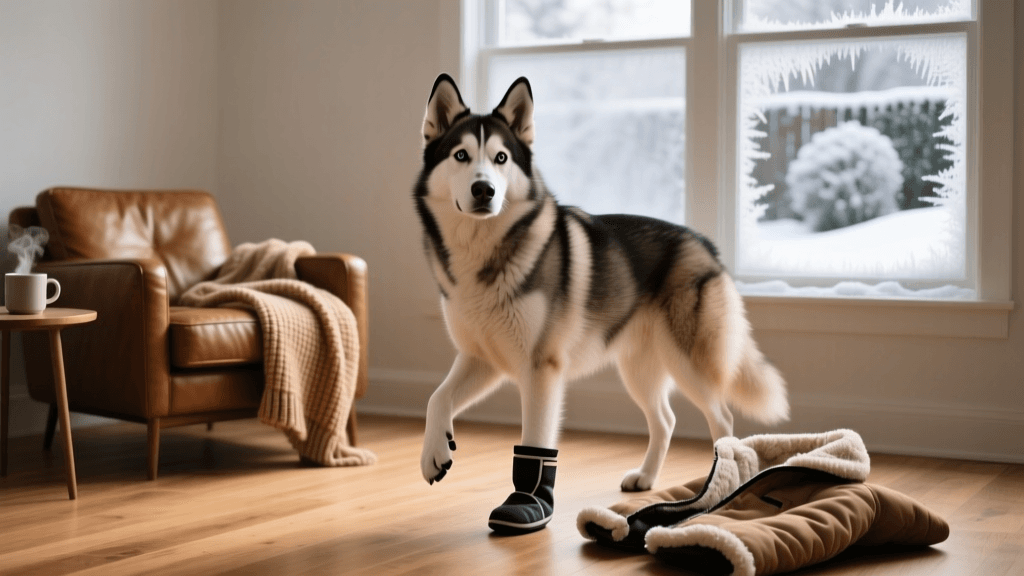
As the temperature drops and the first snowflakes begin to fall, dog owners face a unique set of challenges. Winter brings magical landscapes and crisp air, but it also introduces freezing temperatures, toxic de-icing chemicals, and the risk of hypothermia. Whether you have a thick-coated Siberian Husky or a short-haired Greyhound, understanding how to navigate the colder months is crucial for your dog's health and happiness. This comprehensive guide covers everything from essential cold-weather gear and paw protection to safe outdoor activities and indoor enrichment strategies.
Understanding Your Dog's Cold Tolerance
Not all dogs experience the cold in the same way. A dog's ability to withstand low temperatures depends on several factors, including their breed, coat type, body fat percentage, age, and overall health. While northern breeds with dense double coats thrive in sub-zero conditions, toy breeds and short-haired dogs can become dangerously cold in a matter of minutes when the thermometer dips below freezing.
To help you gauge how long your dog can safely stay outside, refer to the cold tolerance chart below. These guidelines assume your dog is actively moving and acclimated to cooler weather.
| Dog Profile & Breed Examples | Coat Type | Safe Outdoor Time (20°F to 32°F) | Safe Outdoor Time (Below 20°F) |
|---|---|---|---|
| Small & Toy Breeds (e.g., Chihuahua, Toy Poodle) | Single, Short, or Thin | 10 - 15 Minutes | 5 Minutes or Less (Potty Only) |
| Medium & Large Short-Haired (e.g., Greyhound, Boxer, Pitbull) | Single, Short, Smooth | 15 - 20 Minutes | 10 Minutes Maximum |
| Medium Double-Coated (e.g., Beagle, Corgi, Australian Shepherd) | Double, Medium Length | 30 - 45 Minutes | 15 - 20 Minutes |
| Large Thick-Coated (e.g., Siberian Husky, Malamute, Newfoundland) | Double, Dense, Long | 60+ Minutes | 30 - 45 Minutes |
Note: Senior dogs, puppies, and dogs with arthritis or metabolic conditions like hypothyroidism will have significantly lower cold tolerance and require stricter time limits.
Essential Winter Gear and Paw Protection
Investing in high-quality winter gear is not just a luxury; it is a necessity for many breeds. The right equipment prevents heat loss and protects vulnerable extremities from frostbite and chemical burns.
Insulated Dog Jackets
For dogs that lack a natural insulating undercoat, a well-fitted winter jacket is mandatory. Look for coats that cover the chest, back, and belly. The Hurtta Extreme Warmer (typically costing between $70 and $90) is a top-tier choice. It features a heat-reflective foil lining that reflects the dog's own body heat back to them, alongside a water-resistant outer shell. Ensure you measure your dog's back length, chest girth, and neck circumference to guarantee a snug fit that doesn't restrict movement or bathroom breaks.
Paw Protection: Boots vs. Balms
A dog's paw pads are highly susceptible to cracking, drying, and frostbite. Furthermore, walking on snow can cause painful ice balls to form between their toes. You have two primary lines of defense:
- Dog Boots: For deep snow, hiking, or extended walks, boots are the best option. The Ruffwear Polar Trex Dog Boots ($89.95 for a set of four) offer excellent insulation and Vibram outsoles for traction on ice. They come in eight sizes, ranging from 1.5 inches to 3.25 inches wide. It is crucial to measure your dog's paws while they are bearing weight to get the correct size.
- Paw Balms: If your dog refuses to wear boots, a protective wax is essential. Musher's Secret Dog Paw Wax ($15 to $20 for a 2oz tin) creates a semi-permeable shield against snow, ice, and salt. Apply a generous layer to the pads and between the toes 10 minutes before heading outside to allow it to absorb slightly.
Post-Walk Paw Care Routine
Never let your dog lick their paws after a winter walk. Road salts and de-icers are highly irritating and toxic if ingested. Within 5 minutes of returning indoors, wash your dog's paws using lukewarm water (around 85°F to 90°F) and a gentle, pet-safe shampoo or unscented baby wipe. Dry them thoroughly with a microfiber towel, paying special attention to the spaces between the toes, and apply a moisturizing paw balm to prevent cracking.
The Hidden Dangers of Ice Melt and Antifreeze
Winter introduces severe environmental toxins that every dog owner must be vigilant about. Standard rock salt (sodium chloride) and chemical de-icers can cause severe gastrointestinal distress, neurological damage, and painful chemical burns on paw pads. The ASPCA strongly recommends wiping your dog's paws immediately after walks and avoiding areas heavily treated with commercial salts.
If you need to de-ice your own driveway or walkways, opt for a 100% salt-free, pet-safe ice melt like Safe Paw (approximately $20 for a 15lb jug). These products use modified crystalline amides that melt ice without posing a toxic threat to pets or the environment.
Even more dangerous than ice melt is antifreeze (ethylene glycol). Antifreeze has a sweet taste that is highly attractive to dogs, but even a few licks can cause fatal kidney failure. According to the American Veterinary Medical Association (AVMA), you must clean up any garage or driveway spills immediately and store all automotive chemicals in tightly sealed, elevated containers. If you suspect your dog has ingested antifreeze, treat it as a life-threatening emergency and transport them to a veterinary clinic immediately.
Adjusting Outdoor Activities for the Cold
Just because it is cold does not mean your dog's exercise needs disappear. However, you must adapt your routines to match the weather. Instead of one long 60-minute walk, break your dog's exercise into three 20-minute sessions during the warmest parts of the day (typically between 11:00 AM and 2:00 PM).
For high-energy, cold-tolerant breeds, winter opens up exciting new activities:
- Snowshoeing: A fantastic way to explore trails that are otherwise impassable. Keep your dog on a hands-free leash and bring plenty of liquid water, as eating large amounts of snow can lower their core body temperature and cause stomach upset.
- Skijoring: This involves your dog pulling you on cross-country skis. It requires specialized harnesses and bungee lines to prevent injury to your dog's spine and your joints. Only attempt this with fully grown, physically conditioned dogs weighing over 35 pounds.
- Scent Work in the Snow: Snow changes how scent travels, making tracking games more challenging and mentally exhausting for your dog. Hide high-value treats or scented articles in the snow and let them hunt.
Indoor Enrichment for Deep Freeze Days
When the wind chill drops to dangerous levels, or during severe winter storms, outdoor time should be limited to brief bathroom breaks. The Humane Society of the United States advises that pets should be kept indoors during extreme cold alerts. To prevent boredom and destructive behavior, you must replace physical exercise with mental stimulation.
Food Puzzles and Slow Feeders
Ditch the food bowl and make your dog work for their meals. Stuff a classic Kong toy with a mixture of plain pumpkin puree, low-sodium chicken broth, and kibble, then freeze it solid. Licking and chewing on frozen treats can keep a dog occupied for up to 45 minutes and provides natural stress relief.
Snuffle Mats and Scatter Feeding
A snuffle mat mimics the act of foraging in tall grass. Scatter your dog's daily kibble ration into the deep fleece strips of the mat. Studies show that 15 minutes of active sniffing can burn as much mental energy as a one-hour walk, making it an invaluable tool for deep freeze days.
DIY Indoor Agility and Training
Transform your living room into an obstacle course. Use sofa cushions for them to jump over, broomsticks balanced on books for weaving, and cardboard boxes to crawl through. Pair this with 15-minute focused training sessions teaching new tricks like spin, play dead, or fetch specific toys by name. Mental fatigue is just as effective as physical fatigue in keeping your dog calm and satisfied indoors.
Winter Health Hazards: Recognizing Hypothermia and Frostbite
Despite your best efforts, accidents happen. It is vital to recognize the early warning signs of cold-related illnesses so you can intervene before they become life-threatening.
Signs of Hypothermia
Hypothermia occurs when a dog's core body temperature drops below 99°F. Early signs include violent shivering, lethargy, and weakness. As the condition worsens, the shivering may paradoxically stop, and the dog may exhibit shallow breathing, dilated pupils, and confusion. If you suspect hypothermia, wrap your dog in warm blankets and apply warm (not hot) water bottles to their chest and abdomen, then seek immediate veterinary care.
Signs of Frostbite
Frostbite typically affects the extremities: the tips of the ears, the tail, the scrotum, and the paw pads. The affected skin may initially appear pale, gray, or bluish, and feel unusually cold or brittle to the touch. As the tissue thaws, it will become red, swollen, and extremely painful, eventually peeling or blistering. Never rub frostbitten skin, as this causes severe tissue damage. Instead, gently warm the area with lukewarm water and consult your veterinarian.
Conclusion
Winter dog care requires a proactive approach, blending the right gear, environmental awareness, and adjusted routines. By investing in protective jackets and paw balms, utilizing pet-safe ice melts, and providing robust indoor enrichment, you can ensure your dog remains safe, healthy, and happy all season long. Embrace the beauty of the winter landscape together, but always prioritize your dog's comfort and safety above all else.
robin-maitland
All our authors care for dogs every day — read more of their work on the authors page.