The Viral Sniffari Trend: Transforming Daily Dog Walks
Discover the viral Sniffari trend! Learn how decompression walks and canine enrichment reduce dog anxiety and improve behavior on daily outings.
The Rise of the 'Sniffari': More Than Just a Viral Trend
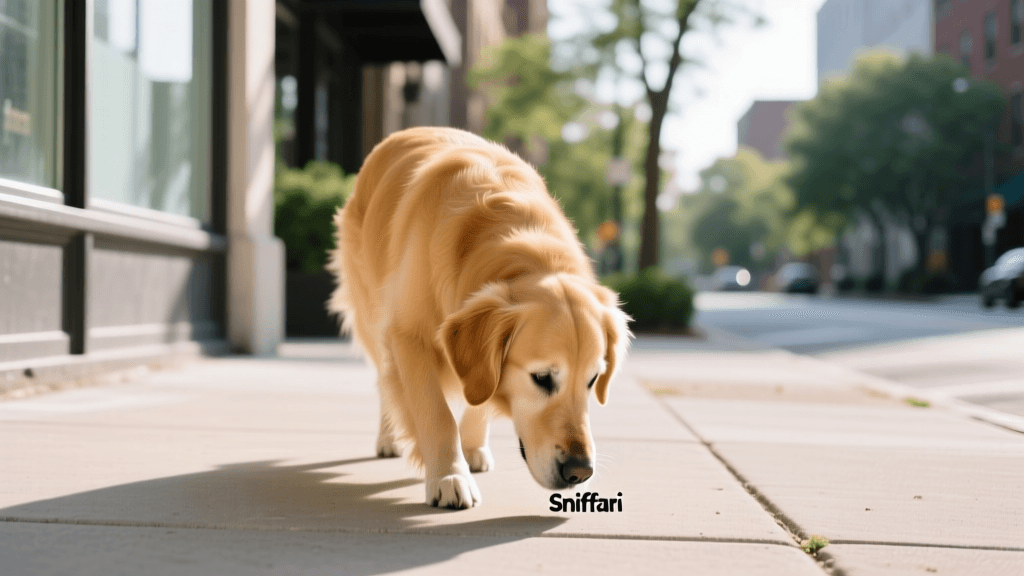
If you have spent any time on DogTok or canine Instagram recently, you have likely encountered the term 'Sniffari' or 'decompression walk.' What started as a niche concept among veterinary behaviorists and certified dog trainers has exploded into a viral movement, fundamentally changing how millions of pet parents approach daily exercise. But a Sniffari is not just a cute internet buzzword; it is a scientifically backed approach to canine enrichment that prioritizes mental stimulation over physical exhaustion.
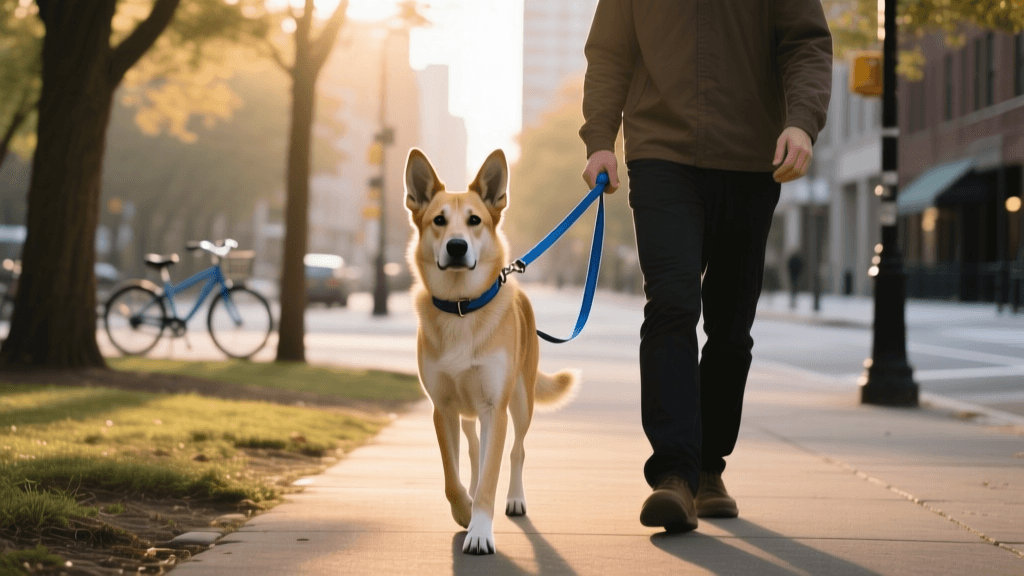
Traditionally, dog owners have been taught that a 'good walk' means a dog heeling perfectly at their side for three miles. However, modern canine behavior science tells a different story. For many dogs, especially those with anxiety, reactivity, or high working drives, a structured, fast-paced walk can actually increase cortisol levels and lead to leash frustration. The Sniffari flips the script, allowing the dog to lead the way, process their environment, and engage their most powerful sense: smell.
The Neurology of the Sniff: Why Mental Stimulation Matters
To understand why the Sniffari trend has taken the dog training world by storm, we have to look at canine anatomy. A dog's olfactory system is vastly superior to ours. While humans have about 6 million olfactory receptors, dogs have up to 300 million. Furthermore, the part of a dog's brain that is devoted to analyzing smells is proportionally 40 times greater than ours.
When a dog sniffs, they are not just smelling a fire hydrant; they are reading a complex chemical newspaper. They can determine the age, gender, diet, and even the emotional state of the animals and humans who have passed by. This intense cognitive processing requires a massive amount of energy. In fact, many canine behaviorists note that 15 to 20 minutes of intense, uninterrupted sniffing can tire a dog out as much as a one-hour physical walk. According to VCA Animal Hospitals, providing adequate mental stimulation is crucial for reducing anxiety, preventing destructive behaviors, and promoting overall psychological well-being in dogs.
Essential Gear for a Successful Decompression Walk
You cannot execute a proper Sniffari with a standard six-foot nylon leash and a choke collar. The goal is to give the dog freedom to explore while maintaining safety. Here is the exact gear you need, along with estimated costs:
- The Harness ($25 - $45): Opt for a well-fitted, Y-front harness that does not restrict shoulder movement. A back-clip harness is ideal for Sniffaris because it prevents the leash from tangling under the dog's legs when they turn sharply to investigate a scent. Popular choices include the Rabbitgoo No-Pull Harness or the Ruffwear Front Range.
- The Long Line ($30 - $55): This is the most critical piece of equipment. You need a 15-foot to 30-foot long line. Biothane is the gold standard material because it is waterproof, durable, and does not absorb mud or odors. Brands like High Tail Hikes or Modern Icon make excellent biothane long lines that glide smoothly through your hands.
- High-Value Treat Pouch ($15 - $25): While the sniffing itself is the reward, you will need treats for recall practice and checking in. Use a silicone treat pouch that is easy to clean, filled with high-value, smelly treats like freeze-dried beef liver or boiled chicken.
Traditional Structured Walk vs. The Sniffari
Understanding the difference between a traditional walk and a decompression walk is crucial for setting the right expectations. Here is a side-by-side comparison to help you plan your routine:
| Feature | Traditional Structured Walk | The Sniffari (Decompression Walk) |
|---|---|---|
| Primary Goal | Physical exercise and obedience | Mental stimulation and stress relief |
| Pace | Steady, human-determined | Variable, dog-determined |
| Leash Tension | Short leash, loose or tight | Long line (15-30 ft), always loose |
| Route | Repetitive, high-traffic sidewalks | Novel, low-traffic nature trails |
| Fatigue Type | Physical (muscle tiredness) | Mental (sensory processing) |
Step-by-Step Guide to Your First Sniffari
Ready to take your dog on their first decompression walk? Follow these actionable steps to ensure a successful outing.
1. Choose the Right Location and Time
Location is everything. A busy city sidewalk with heavy foot traffic and loud cars is not a Sniffari. Look for quiet, low-traffic areas such as empty sports fields, wooded nature trails, or quiet suburban cul-de-sacs. Timing matters, too; early mornings (before 7 AM) or late evenings are best for avoiding crowds and giving your dog uninterrupted time to explore.
2. Implement the 'Yo-Yo' Technique
When you arrive at your location, attach the long line and give your dog a release cue like 'Go sniff!' As they walk forward, let the line slide through your fingers. When they reach the end of the 20-foot line, gently call their name or make a kissing noise. When they turn back toward you, take a few steps backward, reeling in the slack line like a yo-yo. This teaches them to check in with you voluntarily without feeling restrained.
3. Embrace the 'Boring' Moments
Your dog might spend five full minutes sniffing a single patch of grass. This can feel tedious for a human used to power-walking, but you must resist the urge to pull them away. The American Kennel Club (AKC) notes that scent work and nose games build confidence and naturally tire out high-energy breeds. Let them process the information at their own pace.
Bringing the Sniffari Indoors: DIY Enrichment
What happens when the weather is terrible, or you do not have access to a safe, outdoor long-line area? You can replicate the neurological benefits of a Sniffari inside your home. As highlighted by behavior experts in The Humane Society of the United States, indoor enrichment activities are vital for keeping dogs busy and preventing cabin fever.
- Snuffle Mats ($20 - $35): These are fabric mats with deep felt strips. Scatter your dog's daily kibble or some freeze-dried treats deep into the strips, forcing them to use their nose to forage for their meal. A 10-minute snuffle mat session can replace a 30-minute walk in terms of mental fatigue.
- Scatter Feeding: Simply toss a handful of kibble into your backyard grass or across your living room rug. This mimics the natural foraging behavior of wild canines.
- Lick Mats and Kongs ($10 - $20): Spread plain, dog-safe peanut butter or plain Greek yogurt onto a textured silicone lick mat and freeze it. Licking releases endorphins in a dog's brain, providing a soothing, self-regulating activity that is perfect for decompression after a stressful event (like a thunderstorm or a vet visit).
Troubleshooting Common Sniffari Challenges
Challenge: My dog just pulls to the end of the long line and chokes themselves.
Solution: This happens when dogs are not used to the freedom of a long line. Start with a shorter 10-foot line and practice the 'Yo-Yo' technique in your backyard before hitting the trails. Reward them heavily with high-value treats every time they choose to look back at you or loosen the leash.
Challenge: My dog eats garbage or dangerous items off the ground.
Solution: Safety is paramount. If your dog is an indiscriminate eater (a condition known as pica or severe scavenging), a Sniffari in an uncontrolled environment is not safe. Instead, utilize a basket muzzle (like the Baskerville Ultra, approx. $25) which allows the dog to pant, drink, and sniff, but prevents them from ingesting dangerous debris. Alternatively, stick to indoor snuffle mats and controlled scatter feeding in a clean, swept area.
Conclusion: Redefining the Daily Routine
The viral Sniffari trend is a powerful reminder that our dogs experience the world entirely differently than we do. By trading the rigid, fast-paced neighborhood march for a slow, intentional decompression walk, you are not just exercising your dog's body; you are honoring their biology. Incorporating just two or three Sniffaris into your weekly routine, supplemented by indoor foraging games, can drastically reduce leash reactivity, lower baseline anxiety, and result in a calmer, happier companion at home. Put down the short leash, pick up the long line, and let your dog lead the way.
robin-maitland
All our authors care for dogs every day — read more of their work on the authors page.