Getting a Dog in Winter: Prep, Breeds, and Essentials
Adopting a puppy or rescue in winter? Discover essential tips for winter dog adoption, cold-weather breeds, and first-day indoor prep for your new pet.
Why Adopt a Dog in the Winter?
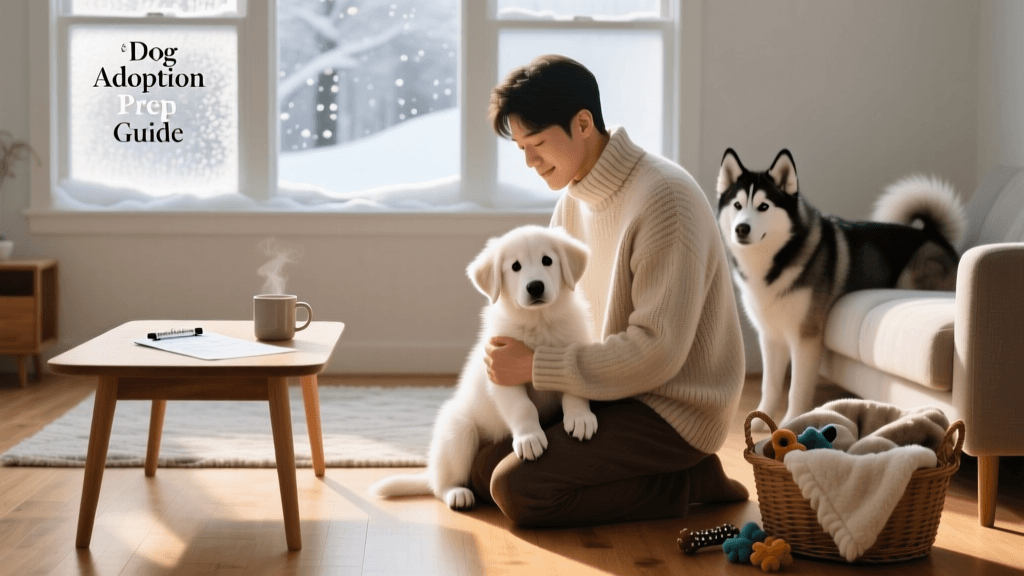
When most people think about bringing a new furry friend home, they picture sunny spring days or lazy summer afternoons. However, getting a dog in winter offers unique, often overlooked advantages. Animal shelters frequently experience a lull in adoptions during the colder months, meaning your local rescue is likely overflowing with wonderful dogs in desperate need of a warm home. According to the Humane Society of the United States, winter adoption not only saves a life but also frees up critical shelter resources during a season when outdoor stray intake can still occur.
Furthermore, winter forces you to spend more time indoors. This is actually a massive benefit for the crucial bonding phase. Without the distraction of busy outdoor environments, you and your new dog can focus entirely on building trust, establishing house rules, and mastering basic obedience in a controlled, cozy environment. But bringing a dog home in freezing temperatures requires specialized preparation, specific gear, and a solid understanding of cold-weather safety.
Choosing the Right Breed for Cold Climates
If you are currently in the breed-selection phase and live in a region with harsh winters, considering a dog's natural cold tolerance is vital. While all dogs need proper shelter and care, certain breeds are biologically engineered to thrive in the snow. The American Kennel Club (AKC) notes that double-coated breeds and larger, deep-chested dogs generally handle freezing temperatures much better than short-haired or toy breeds.
| Breed | Coat Type | Cold Tolerance | Winter Exercise Needs |
|---|---|---|---|
| Siberian Husky | Dense Double Coat | Excellent (Down to -20°F) | High (Requires rigorous snow play) |
| Bernese Mountain Dog | Thick Double Coat | High (Down to 10°F) | Moderate (Loves pulling and hiking) |
| Greyhound | Short, Single Coat | Very Low (Needs a coat above 40°F) | Low (Short sprints, then indoors) |
| Chihuahua | Short or Long Single | Extremely Low (Prone to hypothermia) | Very Low (Indoor play preferred) |
If you opt for a cold-sensitive breed or a senior rescue with a thinning coat, you must budget for winter apparel and limit outdoor bathroom breaks to strictly necessary trips.
Winterizing Your Home Before Arrival
Preparing your home for a new dog always involves puppy-proofing, but winter introduces specific environmental hazards. Before your dog's first day, take a weekend to winterize your living space.
1. Create a Winter 'Mudroom' Station
Snow, ice, and toxic road salts will be tracked into your home multiple times a day. Set up a dedicated paw-cleaning station at your primary entryway. Invest in a heavy-duty, microfiber chenille doormat (at least 24x36 inches) that absorbs water and traps salt. Keep a dedicated towel and a bottle of pet-safe paw wash right by the door. This prevents your new dog from slipping on hardwood floors and stops them from licking toxic ice melts off their paws.
2. Audit Your Heating Sources
Space heaters, radiators, and fireplaces are major burn risks for curious puppies and dogs seeking warmth. Install secure, chew-proof gates around fireplaces and wood stoves. If you use space heaters, ensure they have automatic tip-over shut-off features and place them in areas where the dog's crate or bed will not be positioned directly in front of the heating element.
3. Draft-Proof Dog Doors
If you are installing a dog door for backyard potty access, ensure it is insulated. Standard plastic flaps will freeze stiff in sub-zero temperatures and let cold drafts into your home. Look for magnetic, double-flap insulated doors that seal tightly against winter winds.
First-Day Winter Essentials Checklist
Your first-day shopping list needs to go beyond the standard leash, collar, and kibble. Budget between $75 and $150 for these winter-specific essentials to ensure your dog's comfort and safety from the moment they step out of the car.
- Insulated Dog Jacket: Brands like the Ruffwear Overcoat Fuse provide excellent wind and water resistance. Measure your dog's girth and back length carefully before ordering.
- Paw Protection Wax: Musher's Secret is a dense, natural wax that creates a semi-permeable shield on your dog's paw pads, preventing ice balls from forming between their toes and protecting against chemical burns from road salt.
- Pet-Safe Ice Melter: Never use standard sodium chloride rock salt. Stock up on a urea-based or magnesium chloride alternative like Safe Paw, which is non-toxic if ingested and gentle on concrete.
- Heated or Orthopedic Bed: Cold floors sap body heat. The K&H Pet Products Thermo-Snuggly Sleeper uses a low-wattage internal heater to keep the bed comfortably warm, which is especially soothing for arthritic senior rescues.
- Indoor Potty Backup: During blizzards or extreme wind chills, going outside isn't an option. Have an indoor grass patch (like Fresh Patch) or high-quality absorbent pads ready for emergencies.
Navigating Winter Potty Training
Potty training a puppy or a newly adopted rescue is challenging enough; doing it in freezing rain adds a layer of extreme difficulty. Dogs, especially those not accustomed to the cold, will often refuse to eliminate outdoors, choosing instead to hold it until they come back inside.
Pro Tip: Shovel a dedicated 'potty patch' in your yard. Clear a 4x4 foot area down to the grass or dirt right next to your back door. Dogs hate stepping into deep snow, and having a clear, accessible zone drastically reduces potty-training regression.
When you take your dog out, use a specific verbal cue like 'go potty' and keep high-value, soft treats (like Zuke's Mini Naturals) tucked inside your coat to keep them warm and aromatic. The moment they finish, reward them heavily and immediately head back inside to warm up. Consistency and positive reinforcement are your best tools to overcome their reluctance to face the cold.
The 3-3-3 Rule and Winter Decompression
When adopting a rescue, experts recommend following the '3-3-3 rule': 3 days of decompression, 3 weeks of learning your routine, and 3 months of feeling truly at home. Winter impacts this timeline significantly. Because you cannot take your new dog on long, stimulating neighborhood walks or to busy dog parks immediately, they may experience pent-up energy.
To support their mental decompression indoors, invest heavily in enrichment activities. Snuffle mats, frozen Kongs filled with low-sodium chicken broth, and puzzle toys will tire their brains out when the weather prevents physical exhaustion. This indoor focus often accelerates the bonding process, as the dog learns to look to you for mental stimulation and comfort.
Critical Winter Toxins and Health Risks
The ASPCA Animal Poison Control Center issues strict warnings every winter regarding seasonal toxins. As a new dog owner, you must be hyper-aware of what your dog might ingest during their first few weeks in your home.
Antifreeze (Ethylene Glycol)
Antifreeze has a sweet taste that is highly attractive to dogs, but even a few licks from a driveway puddle can cause fatal kidney failure. Always store automotive fluids in locked cabinets, and clean up any garage spills immediately with an absorbent material like kitty litter. Consider switching your vehicle to a propylene glycol-based antifreeze, which is significantly less toxic to pets.
Frozen Water Hazards
If you live near a lake or pond, a new dog does not know that the ice might be too thin to support their weight. Until your dog has a rock-solid recall command, keep them on a long line (15 to 30 feet) when walking near frozen bodies of water. Never chase a dog onto the ice if they break through; instead, call them back or throw a rope.
Conclusion
Getting a dog in winter is a deeply rewarding experience that requires foresight, specialized gear, and a commitment to indoor enrichment. By selecting the right breed or rescue for your climate, winterizing your home, and stocking up on paw-safe ice melts and insulated jackets, you set your new companion up for a safe, warm, and happy transition into their forever home. Embrace the cozy nights by the fire, and look forward to the spring adventures that await once your new best friend is fully settled.
anouk-beaumont
All our authors care for dogs every day — read more of their work on the authors page.