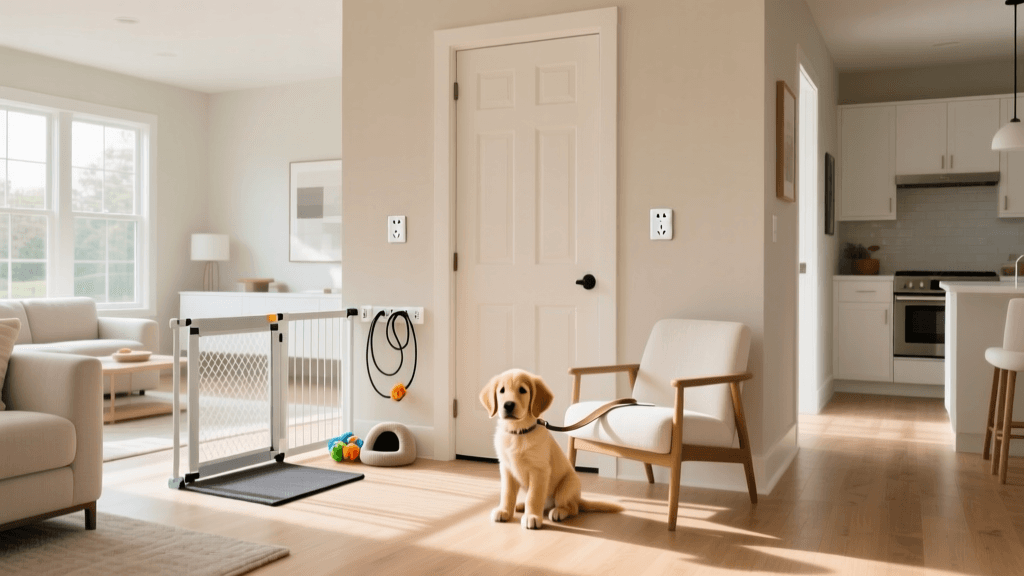
Getting a Senior Dog: Home Prep and First-Day Essentials
Discover how to prepare your home and gather first-day essentials for a senior dog. Learn costs, setup tips, and care guides for older adoptions.
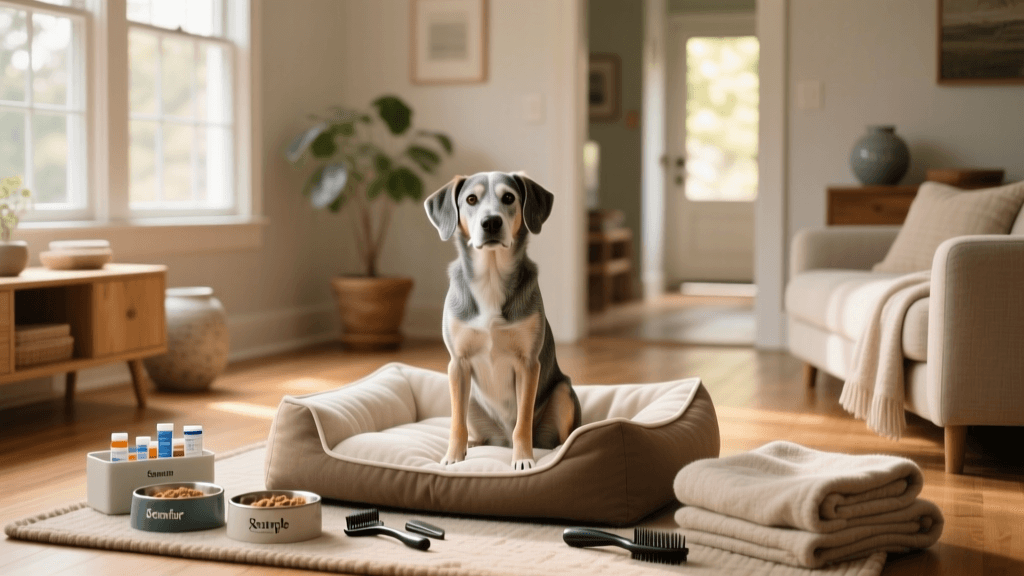
The Unique Appeal of the Senior Life Stage
When most prospective pet parents begin their journey into dog ownership, their minds immediately drift toward the chaotic, energetic world of puppies. While puppies are undeniably adorable, they require immense time, patience, and training. For many households, adopting a senior dog is a far more practical and deeply rewarding choice. Senior dogs typically arrive at shelters or rescues through no fault of their own—often due to the passing of an elderly owner, a family's financial hardship, or a sudden lifestyle change. By choosing to adopt an older dog, you are not only saving a life but also gaining a companion who is usually already house-trained, past the destructive chewing phase, and eager to settle into a comfortable routine.
Defining 'Senior': Breed Size and Aging
Before you prepare your home, it is crucial to understand what constitutes a 'senior' dog, as this varies significantly by breed size. The American Kennel Club (AKC) notes that smaller breeds age more slowly than their larger counterparts. A Chihuahua or Toy Poodle might not be considered a senior until they reach 10 to 12 years of age. Conversely, giant breeds like Great Danes or Bernese Mountain Dogs may enter their senior years as early as 5 or 6 years old. Medium-sized dogs, such as Border Collies or Cocker Spaniels, generally transition into seniorhood around 7 to 8 years of age. Understanding your prospective dog's life stage helps you anticipate their specific medical, nutritional, and environmental needs.
Preparing Your Home for Mobility and Comfort
Aging dogs frequently deal with osteoarthritis, hip dysplasia, and general muscle loss. Preparing your home to accommodate reduced mobility is the most critical step in your first-day prep.
Orthopedic Bedding
Standard plush dog beds do not provide adequate joint support. Invest in a high-quality orthopedic bed featuring memory foam or supportive bolster edges. The Big Barker 7-inch Orthopedic Dog Bed is a premium option (approximately $250) designed specifically to prevent joints from hitting the hard floor. For budget-conscious adopters, the Furhaven Orthopedic Sofa Bed (around $45) offers decent egg-crate foam support for smaller breeds.
Ramps and Stairs
If your senior dog is accustomed to sleeping on the bed or riding in the car, jumping can cause severe spinal or joint injuries. Purchase a pet ramp or stairs. The PetSafe Happy Ride Folding Pet Ramp (roughly $60) is lightweight and features a high-traction surface to prevent slipping. Measure the height of your bed or vehicle bumper to ensure the ramp's incline is gentle—ideally no steeper than a 20-degree angle.
Flooring and Lighting
Hardwood and tile floors are notorious for causing slips and falls in older dogs. Lay down interlocking foam mats or non-slip area rugs in high-traffic zones. Additionally, senior dogs may experience canine cognitive dysfunction (similar to dementia in humans), which can cause nighttime confusion or 'sundowning.' Plugging in motion-sensor LED nightlights along hallways and near their potty area can drastically reduce anxiety and prevent accidents.
Ergonomic Feeding and Walking Gear
Bending down to eat or drink can exacerbate neck and spinal pain. Invest in an adjustable raised bowl stand, setting the height so the rim of the bowl aligns with your dog's lower chest. For walks, abandon traditional neck collars. A step-in harness or a supportive lifting harness like the Ruffwear Web Master provides a handle over the dog's center of gravity. This allows you to gently assist your dog over curbs, up stairs, or into the car without putting pressure on their delicate trachea or spine.
First-Day Essentials and Estimated Costs
Beyond the standard leash and collar, senior dogs require specialized gear to ensure their safety and comfort. Below is a structured breakdown of first-day essentials tailored for an older dog.
| Item | Purpose | Estimated Cost |
|---|---|---|
| Step-In Harness (e.g., Ruffwear) | Reduces neck strain and assists with lifting | $40 - $90 |
| Raised Food and Water Bowls | Prevents neck and back bending during meals | $25 - $50 |
| Orthopedic Memory Foam Bed | Alleviates joint pressure and improves sleep | $50 - $250 |
| Non-Slip Pet Socks or Paw Wax | Provides traction on smooth indoor flooring | $15 - $30 |
| Pet Ramp or Stairs | Safe access to furniture and vehicles | $40 - $120 |
According to the American Veterinary Medical Association (AVMA), proactive environmental modifications can significantly extend the quality of life for aging pets by reducing daily physical stress.
Nutrition, Supplements, and Veterinary Care
Your first week with a senior dog should include a comprehensive veterinary wellness exam. Request a senior blood panel to check kidney and liver function, thyroid levels, and blood glucose. Transitioning to a senior-specific diet is often recommended. Formulas like Purina Pro Plan Bright Mind or Hill's Science Diet Senior are engineered with adjusted protein levels and added antioxidants to support cognitive and joint health.
Discuss joint supplements with your veterinarian. Glucosamine and chondroitin supplements, such as Dasuquin or Cosequin (approximately $30 for a one-month supply), are industry standards for managing canine osteoarthritis. If your dog has dental disease—a common issue in older rescue dogs—your vet may recommend a soft-food diet or a professional dental cleaning under anesthesia before introducing hard kibble.
Hydration Strategies
Senior dogs are more prone to dehydration, especially if they are on medications or suffering from kidney issues. Consider adding a pet-safe water fountain, like the Catit Flower Fountain (around $25), as the sound of running water often entices older dogs to drink more. You can also add low-sodium bone broth to their meals to boost both hydration and caloric intake.
The First 48 Hours: A Step-by-Step Timeline
Older dogs can become easily overwhelmed by sudden environmental changes. Follow this timeline to ensure a smooth transition.
Day 1: Arrival and Decompression
- Hour 1-2: Keep the environment quiet. Attach a secure step-in harness and allow your dog to sniff the perimeter of their designated 'safe room' or a small, gated area of the house.
- Hour 3-4: Offer a small meal of bland food (boiled chicken and white rice) to prevent gastrointestinal upset from stress. Provide fresh water in a raised bowl.
- Evening: Introduce the orthopedic bed. Sit quietly nearby and read a book aloud to help them acclimate to your voice and presence without demanding physical interaction.
Day 2: Routine and Exploration
- Morning: Take a short, 10-minute leash walk. Senior dogs may have limited stamina, so prioritize sniffing over distance. Sniffing provides excellent mental stimulation.
- Afternoon: Begin establishing a consistent potty schedule. Take them out every 3 to 4 hours, as older dogs may have weaker bladder control.
- Evening: Introduce gentle grooming. Use a soft-bristle brush to build trust and check for any hidden lumps, bumps, or skin irritations that require veterinary attention.
'Adopting a senior dog is an act of profound empathy. You are offering a safe harbor to an animal that has loved deeply before and simply needs a comfortable place to rest their head for their final chapters.'
Conclusion
Getting a senior dog requires a shift in perspective—from focusing on rigorous training and high-energy exercise to prioritizing comfort, pain management, and gentle companionship. By investing in the right mobility aids, specialized nutrition, and a patient, structured introduction to your home, you set the stage for a beautiful, low-stress relationship. The golden years of a dog's life can truly be the golden years of your life together, filled with quiet moments, unwavering loyalty, and the profound satisfaction of giving a deserving animal the loving retirement they deserve.
hannah-wickes
All our authors care for dogs every day — read more of their work on the authors page.