The Doodle Trend: Real Costs And Care Before You Buy
Thinking of getting a viral Doodle breed? Discover the real costs, grooming needs, and temperament facts before bringing a Labradoodle or Goldendoodle home.
The Viral Appeal of the 'Doodle'
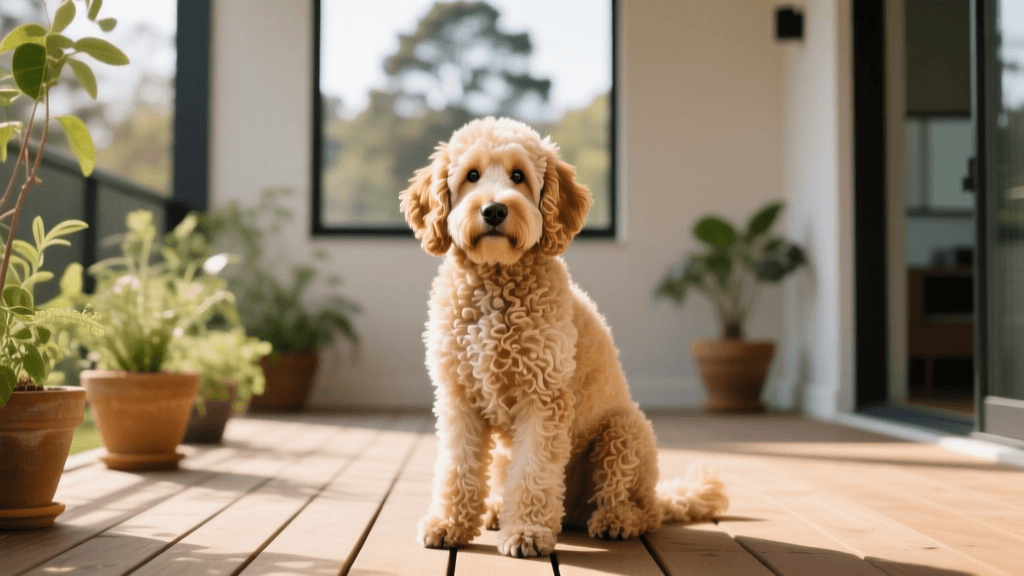
Scroll through TikTok or Instagram for more than five minutes, and you are guaranteed to see a 'Doodle.' Goldendoodles, Labradoodles, Bernedoodles, and Cavapoos have taken the internet by storm, celebrated for their teddy-bear faces, bouncy curls, and seemingly perfect family temperaments. As a senior writer for Paws-Tales, I see the search volume for these breeds skyrocketing every single year. The viral appeal is undeniable: they look like living stuffed animals, and influencers often portray them as low-maintenance, allergy-friendly couch potatoes.
However, the reality of bringing a Doodle into your home is vastly different from a curated 60-second social media reel. Behind the fluffy exterior lies a complex mix of working-dog genetics, demanding grooming requirements, and significant financial commitments. If you are in the 'Getting a Dog' phase and considering a Poodle mix, it is crucial to look past the viral trends and understand the day-to-day reality of owning these popular crosses.
The 'Hypoallergenic' Myth: What Science Says
One of the primary drivers of the Doodle trend is the widespread belief that these dogs are 100% hypoallergenic. Breeders often market them to allergy sufferers as the perfect solution. However, veterinary science tells a different story. According to the Asthma and Allergy Foundation of America (AAFA), there is no such thing as a completely hypoallergenic dog. Pet allergies are primarily triggered by dander (dead skin flakes), saliva, and urine, not just the hair itself.
While Poodles and their crosses tend to shed less hair than a Golden Retriever or a German Shepherd, they still produce dander and saliva. If a Doodle licks you, or if their dander becomes trapped in their dense, curly coat and is released when brushed, an allergic reaction can still occur. Before spending thousands of dollars on a puppy based on a viral allergy claim, spend time with adult Doodles and consult with an allergist to undergo specific dander testing.
The Real Cost of Owning a Doodle
The financial commitment of a Doodle extends far beyond the initial purchase price. Because they are highly sought after, reputable breeders charge a premium. Furthermore, their specialized coats require professional maintenance that can rival a monthly car payment. Below is a realistic breakdown of the costs you should anticipate during the first year and beyond.
| Expense Category | Estimated Cost | Frequency |
|---|---|---|
| Puppy Purchase (Reputable Breeder) | $2,500 - $4,500 | One-time |
| Professional Grooming | $90 - $160 | Every 6-8 weeks |
| High-Quality Kibble & Treats | $80 - $120 | Monthly |
| Pet Insurance (Accident & Illness) | $50 - $90 | Monthly |
| Initial Vet Care (Vaccines, Spay/Neuter, Microchip) | $600 - $1,200 | Year One |
| Preventatives (Flea, Tick, Heartworm) | $25 - $45 | Monthly |
As the table illustrates, the ongoing grooming and insurance costs mean you should budget at least $2,500 to $3,500 annually just for the routine maintenance of a healthy Doodle.
Grooming: The Hidden Time and Financial Sink
The most common reason Doodles end up in shelters or rescues is owner surrender due to grooming neglect. A Doodle's coat is a combination of a Poodle's continuously growing, curly hair and a Retriever's or Spaniel's softer undercoat. When these two textures mix, they create a prime environment for severe matting. Mats pull on the skin, restrict movement, and trap moisture, leading to painful hot spots and severe bacterial infections.
You cannot simply brush the top layer of a Doodle's coat; you must practice 'line brushing,' parting the hair and brushing from the skin outward. If you cannot commit to brushing your dog for 20 to 30 minutes every single day, you must budget for professional grooming every 4 to 6 weeks, keeping the coat clipped to a manageable 'puppy cut' length of about 1 to 2 inches.
Essential Grooming Toolkit
If you plan to maintain the coat at home between professional grooms, you must invest in professional-grade tools. Cheap brushes will scratch the skin and fail to penetrate the dense curls.
- Chris Christensen Big G Slicker Brush ($70+): The gold standard for Doodle owners. Its thick, polished pins glide through dense curls without breaking the hair.
- Greyhound Comb ($25-$40): Used immediately after the slicker brush to check for tangles. If the comb cannot slide effortlessly down to the skin, you have missed a mat.
- Earthbath Oatmeal & Aloe Shampoo ($15): A soothing, soap-free option for sensitive skin, which is common in Doodle breeds.
- High-Velocity Dog Dryer ($100-$150): Air-drying a Doodle causes immediate matting. A high-velocity dryer blows water out of the coat and straightens the curls for easier brushing.
Temperament: Working Dog DNA in a Teddy Bear Coat
Social media often portrays Doodles as perpetual puppies who just want to cuddle. In reality, you are mixing highly intelligent, high-energy working breeds. The American Kennel Club (AKC) notes that Poodles were originally bred as water retrievers, meaning they possess immense stamina, high intelligence, and a strong prey drive. When you cross a Poodle with a Golden Retriever (a bird dog) or a Bernese Mountain Dog (a draft and herding dog), the resulting offspring requires serious mental and physical stimulation.
A bored Doodle is a destructive Doodle. Without adequate exercise and mental enrichment, they will develop neurotic behaviors such as excessive barking, chewing, and digging. You must plan for at least 60 to 90 minutes of vigorous activity daily, combined with structured training sessions.
Mental Stimulation Essentials
Physical walks are not enough for these intelligent crosses. You must tire out their brains to prevent behavioral issues.
- Snuffle Mats ($25-$40): Hide dry kibble in a fabric mat to simulate foraging. This can burn as much mental energy as a one-mile run.
- Kong Classic & West Paw Toppl ($15-$25 each): Stuff these durable rubber toys with plain yogurt, pumpkin puree, and kibble, then freeze them to provide 30 minutes of quiet licking enrichment.
- Flirt Poles ($25): Excellent for safely satisfying the high prey drive of Retriever and Poodle mixes in a small backyard without exhausting the owner.
Buying vs. Adopting a Doodle
Because the viral trend has led to mass overbreeding by unethical puppy mills and backyard breeders capitalizing on the 'designer dog' craze, the rescue system is now seeing an influx of surrendered Doodles. Many of these dogs are surrendered between 8 and 18 months of age when their puppy energy peaks and their grooming needs become overwhelming for unprepared owners.
Before handing over $4,000 to a breeder, consider exploring dedicated rescue networks. Organizations like IDOG Rescue specialize in placing Poodle and Doodle mixes into foster-based homes. Adopting allows you to skip the intense puppy biting and potty training phases, and the dog's adult coat texture, size, and temperament are already known, removing the guesswork that often plagues buyers of mixed-breed puppies.
Final Verdict: Is a Doodle Right for You?
Doodles can make spectacular, deeply bonded, and hilarious companions for the right owner. They excel in agility, therapy work, and obedience training when given the proper outlet for their working-dog genetics. However, they are not the low-maintenance, allergy-free status symbols that viral videos might lead you to believe.
The Paws-Tales Takeaway: If you have the budget for professional grooming, the time for daily line-brushing, and the energy to train a highly intelligent working dog, a Doodle will reward you with a lifetime of devotion. If you are simply chasing a viral aesthetic, consider a lower-maintenance breed or a senior shelter dog instead.
Making an informed, research-backed decision is the first and most important step in your dog ownership journey. Look past the filters, understand the breed's true needs, and set yourself—and your future dog—up for a successful, happy life together.
anouk-beaumont
All our authors care for dogs every day — read more of their work on the authors page.