New Dog Emergency Kit: Essential Safety Prep Before Day One
Prepare for the unexpected before bringing your new dog home. Discover essential first-aid supplies, safety gear, and emergency contacts for new owners.
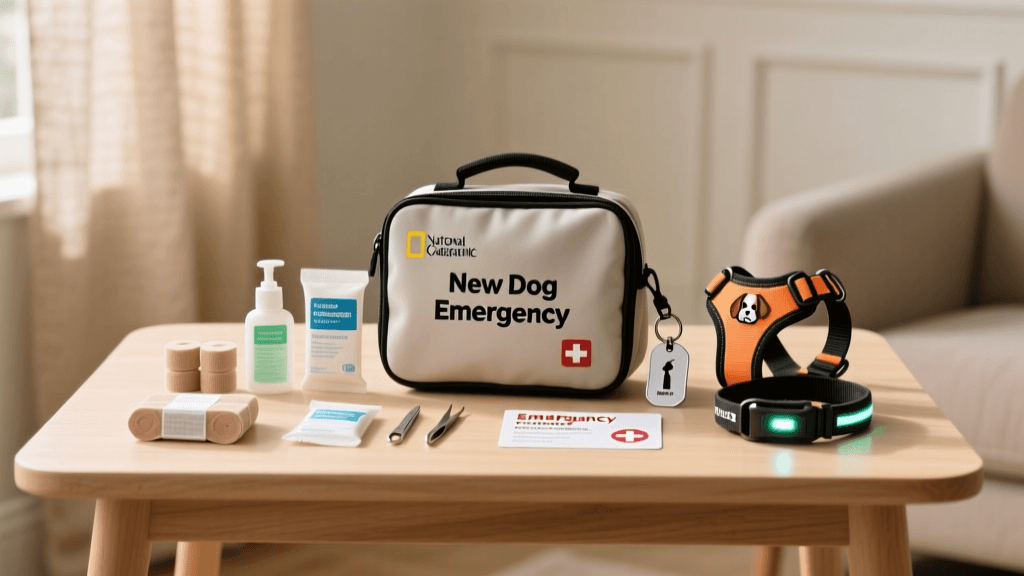
Why Every New Dog Owner Needs an Emergency Plan
Bringing a new dog or puppy into your home is one of life’s most rewarding experiences, but it also introduces a host of new responsibilities and potential hazards. Whether you are adopting a rescue from a shelter or bringing home a purebred puppy from a breeder, the first few weeks are a critical window for safety. New environments are inherently stressful for dogs, and stress can lead to unpredictable behaviors, gastrointestinal upset, and a heightened curiosity that often results in accidental injuries or toxic ingestions.
According to the American Veterinary Medical Association (AVMA), proactive preparedness is the cornerstone of responsible pet ownership. Having a dedicated emergency plan and a fully stocked first-aid kit before your dog arrives ensures that you are not scrambling for supplies during a crisis. When you are dealing with a bleeding paw or a potential poisoning, every second counts. This comprehensive guide will walk you through the essential safety preparations, from assembling a detailed medical kit to puppy-proofing your living space and securing your transport vehicle for the journey home.
The Ultimate New Dog First-Aid Kit Checklist
Before your new dog crosses the threshold of your home, you should have a dedicated, easily accessible pet first-aid kit assembled. While human first-aid kits share some overlap with pet supplies, dogs have unique physiological needs and require specific tools. Store these items in a waterproof, clearly labeled container in a central location known to all household members.
| Item | Primary Purpose | Estimated Cost |
|---|---|---|
| Styptic Powder | Stops bleeding from torn nails | $6 - $10 |
| Digital Pet Thermometer | Checks for fever or hypothermia | $10 - $15 |
| Saline Eye Wash | Flushes debris or chemicals from eyes | $5 - $8 |
| Blunt-Tipped Tweezers | Removes ticks, splinters, or thorns | $5 - $12 |
| Basket Muzzle | Prevents biting during pain/stress | $15 - $25 |
| Sterile Gauze & Vet Wrap | Bandages wounds and applies pressure | $10 - $15 |
| 3% Hydrogen Peroxide | Induces vomiting (ONLY if directed by vet) | $3 - $5 |
| Mylar Emergency Blanket | Retains body heat during shock/transport | $4 - $8 |
Critical Kit Items Explained
Hydrogen Peroxide (3%): This is a highly debated item. While it can induce vomiting in cases of recent toxic ingestion, it can also cause severe tissue damage or aspiration pneumonia if used incorrectly. Never administer hydrogen peroxide without explicit, real-time instructions from a veterinarian or poison control expert.
Styptic Powder: New dogs, especially puppies, will often break a nail while exploring or playing. Styptic powder (or a styptic pencil) quickly coagulates blood and stops the painful bleeding associated with the quick.
Basket Muzzle: Even the sweetest, most well-socialized dog may bite when in severe pain or panic. A basket muzzle allows the dog to pant and breathe normally while keeping your hands safe during emergency treatment or transport.
Digital Thermometer: A dog's normal resting temperature ranges from 101.0°F to 102.5°F. Temperatures above 104°F or below 99°F constitute a medical emergency requiring immediate veterinary intervention.
Home Safety Prep: Securing Your Space Before Arrival
Puppies and newly adopted adult dogs explore the world with their mouths. What looks like a harmless household object to you could be a lethal choking hazard or a toxic substance to your new pet. A thorough, room-by-room sweep is mandatory before day one.
- The Kitchen: This is the highest-risk zone. Secure all cleaning supplies behind childproof latches. Ensure that toxic foods—including xylitol (found in sugar-free gums and peanut butters), grapes, raisins, onions, garlic, and macadamia nuts—are stored in high, sealed cabinets. Never leave unattended food on low counters.
- The Living Room: Hide or secure loose electrical cords using PVC cord covers or bitter apple spray to prevent electrocution and intestinal blockages. Remove small decorative items, children's toys, and coins from the floor and low shelves.
- The Bedroom: Keep all human medications, including vitamins and supplements, in locked drawers. Many dogs are attracted to the sweet coating of pills and can easily chew through plastic amber bottles.
- The Yard: Inspect your fencing for gaps, loose boards, or areas where a determined digger could escape. Check your landscaping against the ASPCA's list of toxic plants to ensure you do not have sago palms, oleander, or lilies within your dog's reach. Secure compost bins and ensure no rat poison or snail bait is accessible.
Assembling Your Emergency Contact List
When panic sets in, you will not have the presence of mind to search the web for an open clinic. Print out an emergency contact sheet and tape it to your refrigerator, and save these numbers in your smartphone under clear, searchable labels.
- Primary Veterinarian: Include your regular vet's main line and their specific after-hours emergency protocol.
- 24/7 Emergency Animal Hospital: Find the closest 24-hour emergency clinic, note the address, and map out the fastest driving route from your home.
- ASPCA Animal Poison Control Center: Save their 24/7 hotline number (888-426-4435). Note that a consultation fee may apply, but their expertise can be life-saving.
- Local Animal Control / Non-Emergency Police: Useful for reporting aggressive stray animals or if your dog manages to slip their collar and escape the yard.
Transport Safety: Getting Your New Dog Home Securely
The journey home is your first safety test. Many new owners make the mistake of allowing a nervous new dog to roam freely in the car or sit on their lap. In the event of a sudden stop or collision, an unrestrained 50-pound dog becomes a 2,500-pound projectile, posing a fatal risk to both the dog and the human passengers.
For maximum safety, transport your new dog in a crash-tested, hard-sided crate that is securely anchored in the vehicle. If a crate is not feasible, use a certified, crash-tested dog harness that clips directly into the vehicle's seatbelt receptor. Avoid attaching tethers to standard neck collars, as the force of a sudden stop can cause severe tracheal damage or cervical spine injuries.
Recognizing Emergency Signs in the First 48 Hours
The transition to a new home can trigger latent health issues or stress-induced conditions. The American Red Cross Pet First Aid curriculum emphasizes the importance of recognizing subtle signs of distress before they escalate into full-blown emergencies.
Monitor your new dog closely for the following red-flag symptoms during the first two days:
- Unproductive Retching: If your dog is trying to vomit but nothing is coming up, accompanied by a distended, hard abdomen, this is a hallmark sign of Gastric Dilatation-Volvulus (GDV), commonly known as bloat. This is a fatal emergency requiring immediate surgery.
- Pale or Brick-Red Gums: Lift your dog's lip to check their gum color. Healthy gums are bubblegum pink. Pale, white, or blue gums indicate shock or internal bleeding, while brick-red gums can indicate heatstroke or severe infection.
- Severe Lethargy or Collapse: While new dogs may sleep a lot due to decompression, an inability to stand, sudden weakness in the hind legs, or unresponsiveness requires immediate veterinary care.
"The 3-3-3 Rule of Dog Decompression suggests that a new dog will spend the first 3 days feeling overwhelmed, 3 weeks learning your routine, and 3 months building trust. During those first 3 days, keep the environment incredibly quiet, limit visitors, and stick to a predictable schedule to minimize stress-induced medical emergencies."
By investing time in these emergency and safety preparations before your new dog arrives, you are laying the foundation for a long, healthy, and secure life together. Peace of mind is the greatest gift you can give yourself and your new best friend.
hannah-wickes
All our authors care for dogs every day — read more of their work on the authors page.