Adopting a Dog in Winter: Cold-Weather Prep & Essentials
Adopting a dog in winter? Discover essential cold-weather prep, indoor potty training tips, and the best winter gear to keep your new pup safe and warm.
Why Winter Adoptions Require Unique Preparation
Bringing a new dog into your home is a life-changing event filled with joy, bonding, and a fair share of chaos. However, adopting a dog during the winter months introduces a unique set of environmental challenges that first-time and seasoned owners alike must navigate. The transition period for a newly adopted dog—often referred to as the 3-3-3 rule (3 days to decompress, 3 weeks to learn your routine, 3 months to feel at home)—can be complicated by freezing temperatures, hazardous road salts, and limited outdoor exploration time.
While shelters often see an intake surge during the colder months, meaning you could be saving a life by adopting in winter, you must prepare your home and schedule to accommodate the season. According to the ASPCA, cold weather poses severe risks to pets, including frostbite, hypothermia, and toxic exposure from winter chemicals. Proper preparation ensures your new companion stays safe, warm, and comfortable during their critical first weeks in your home.
Winterizing Your Home Before Arrival
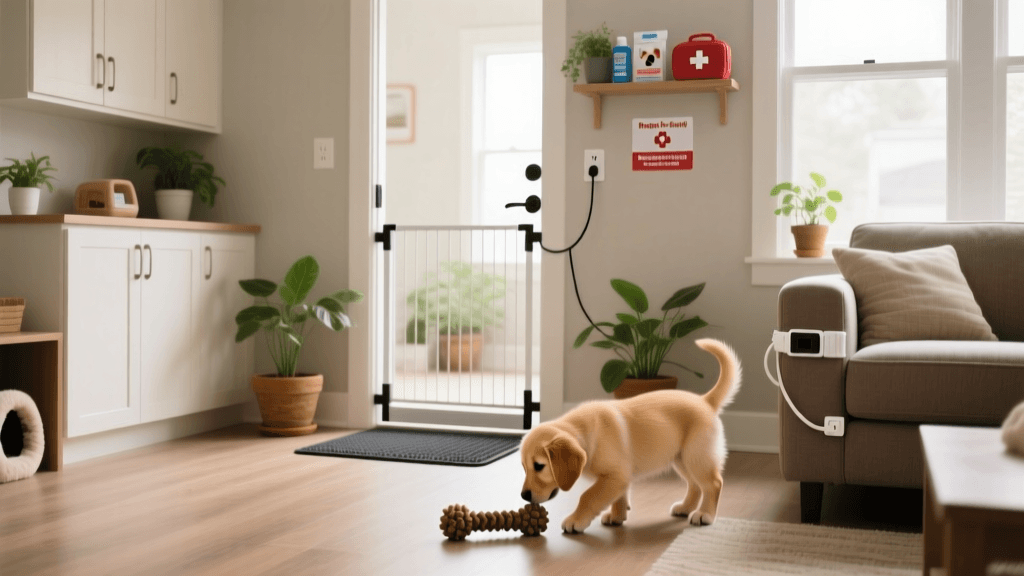
Before you bring your new dog through the front door, your home must be winterized with a canine resident in mind. Winter introduces specific household hazards that are easily overlooked when you are focused on buying beds and toys.
1. Swap Out Toxic Ice Melts and Antifreeze
Traditional rock salt (sodium chloride) is highly irritating to dog paw pads and toxic if ingested when they lick their paws clean. Similarly, traditional antifreeze contains ethylene glycol, which has a sweet taste that attracts dogs but is fatally toxic even in microscopic amounts. Before adoption day, switch to a pet-safe, chloride-free ice melt for your walkways and ensure your vehicle uses propylene glycol-based antifreeze. Store all winter chemicals in locked cabinets.
2. Manage Space Heaters and Drafts
New dogs often seek out heat sources, making space heaters and fireplaces a major burn and fire hazard. Install sturdy fireplace screens and place space heaters in areas where the dog cannot physically reach them or knock them over. Conversely, ensure the dog’s designated sleeping area is free from drafty windows and doors. A well-insulated, elevated dog bed will keep them off cold hardwood or tile floors.
3. Combat Dry Indoor Air
Central heating drastically reduces indoor humidity, which can lead to dry, itchy skin and respiratory irritation for both you and your new dog. Running a humidifier in the room where your dog spends the most time will help maintain a healthy coat and prevent static electricity buildup in their fur.
The Winter Dog Gear Checklist
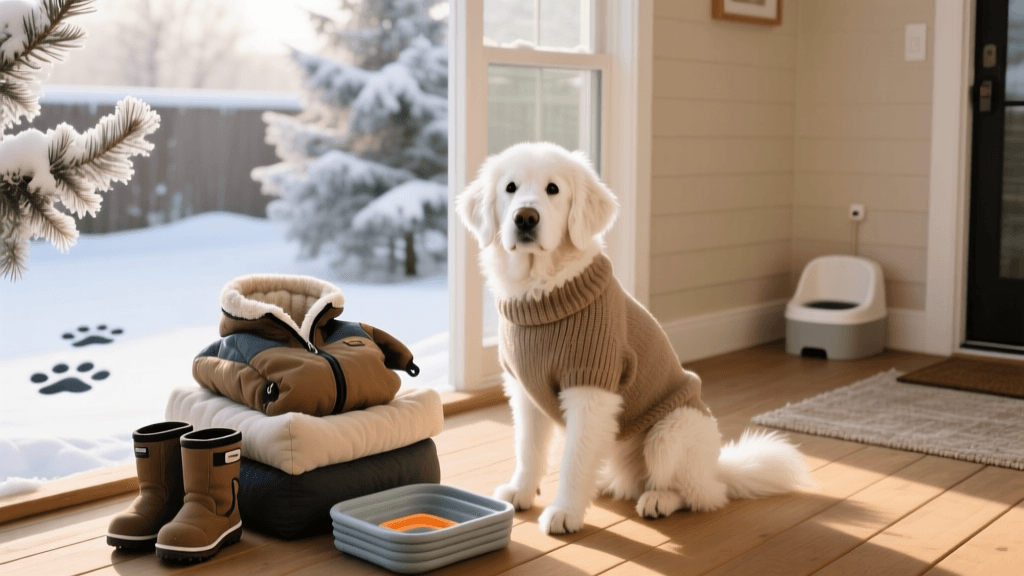
Equipping your new dog with the right winter gear is non-negotiable, especially if you are adopting a short-haired breed, a senior dog, or a puppy. Below is a structured breakdown of the essential winter gear you should have on hand before bringing your dog home.
| Winter Essential | Primary Purpose | Estimated Cost | Top Recommendation |
|---|---|---|---|
| Insulated Dog Coat | Core warmth for short-haired or lean breeds | $45 - $85 | Ruffwear Overcoat Fuse |
| Paw Protection Wax | Shields pads from salt, ice, and cracking | $15 - $25 | Musher's Secret Dog Paw Wax |
| Indoor Potty Grass | Alternative for extreme cold or blizzard days | $30 - $50/mo | Fresh Patch or DoggieLawn |
| Pet-Safe Ice Melt | Prevents paw burns and systemic toxicity | $20 - $30 | Safe Paw Chloride-Free Melter |
| Enzymatic Cleaner | Eliminates indoor potty accident odors | $15 - $20 | Nature's Miracle Advanced |
When measuring your new dog for a coat, focus on the chest girth and back length. A properly fitted coat should cover the base of the neck down to the base of the tail without restricting shoulder movement or bathroom functions.
Navigating Winter Potty Training
Potty training is often the most stressful part of bringing home a new dog, and winter weather amplifies this difficulty. Many dogs, particularly those not acclimated to cold climates, will refuse to eliminate outside when their paws touch freezing snow or ice. This leads to indoor accidents and frustration.
The "Potty Square" Method
If you have a yard, do not expect your new dog to wander through deep snow to find a spot. Shovel a designated 5x5 foot "potty square" in a sheltered area of your yard. Lead your dog directly to this cleared, familiar-smelling area on a leash. This reduces their anxiety and minimizes the time their paws are exposed to the cold.
Indoor Alternatives for Extreme Weather
During severe cold snaps or blizzards, it is unsafe to keep a dog outside long enough to relieve themselves. Setting up a real-grass indoor potty system (like Fresh Patch) in a bathroom or laundry room provides a natural texture that is easy to transition away from once spring arrives. Avoid traditional plastic pee pads if possible, as they can teach the dog that any soft, absorbent surface (like rugs or bathmats) is an acceptable toilet.
The Post-Walk Paw Protocol
The American Kennel Club (AKC) emphasizes the importance of immediate paw care after winter walks. Within five minutes of re-entering your home, wash your dog's paws with warm water to remove any residual salt or chemical melt. For a deeper clean, use a portable paw plunger cup or a DIY soak of warm water and a tablespoon of Epsom salt to soothe irritated pads, followed by a thorough towel dry and an application of paw balm.
Safe Winter Walks and Acclimation
Your new dog needs exercise and mental stimulation to decompress and bond with you, but winter walks require strict temperature monitoring. A general rule of thumb is that most healthy, medium-to-large dogs can tolerate 30-minute walks in temperatures down to 20°F (-6°C). However, small dogs, short-haired breeds, and puppies should limit exposure to 15 minutes or less when temperatures drop below freezing.
Pro Tip: Pay attention to your dog's body language. If they are lifting their paws alternately, shivering, whining, or refusing to walk, they are too cold and need to go inside immediately.
For high-energy dogs that cannot get sufficient physical exercise outdoors due to dangerous wind chills, you must substitute physical walks with indoor mental enrichment. Mental fatigue is just as effective as physical fatigue in tiring out a dog.
Indoor Enrichment for the Decompression Phase
The first three days with an adopted dog are all about decompression. In the summer, this might involve long, quiet sniffaris in the woods. In the winter, you must recreate this sensory decompression indoors. Here are three highly effective winter enrichment activities:
- Snuffle Mats and Scatter Feeding: Hide your dog's kibble in a fabric snuffle mat or scatter it across a carpeted room. This engages their natural foraging instincts and provides 20 minutes of low-stress mental work.
- Frozen Lick Mats: Spread dog-safe peanut butter, plain yogurt, or pureed pumpkin onto a textured LickiMat and freeze it. Licking releases endorphins in a dog's brain, which naturally soothes anxiety and helps them settle into their new crate or bed.
- Flirt Pole Sessions: For high-prey-drive dogs, a flirt pole (a wand with a lure attached) used in a basement or garage allows them to sprint, jump, and burn off adrenaline without stepping foot in the snow.
Sample First-Week Winter Schedule
Establishing a routine is vital for a newly adopted dog. Here is a sample winter schedule that balances potty needs, safety, and indoor enrichment:
- 7:00 AM: Quick outdoor potty break (5 mins, coat and booties on if necessary).
- 7:15 AM: Indoor breakfast served via a snuffle mat for mental engagement.
- 12:00 PM: Midday potty break in the shoveled "potty square," followed by a 10-minute indoor flirt pole session.
- 5:00 PM: Evening neighborhood walk (15-20 mins, avoiding heavily salted main roads).
- 5:30 PM: Immediate paw soak, wipe down, and application of Musher's Secret wax.
- 6:00 PM: Dinner, followed by a frozen LickiMat to encourage evening relaxation.
Conclusion
Adopting a dog in the winter is a deeply rewarding experience that offers a warm, loving refuge to an animal in need. While the cold weather demands extra preparation, specialized gear, and a shift toward indoor enrichment, it also forces you to spend more focused, quality time bonding with your new pet in the comfort of your home. By winterizing your living space, investing in proper paw protection, and adapting your training methods to the season, you will set your new dog up for a safe, healthy, and happy transition into their forever home. For more comprehensive guidelines on seasonal pet safety, always refer to resources provided by the Humane Society of the United States and consult your veterinarian regarding your specific dog's cold-weather tolerance.
anouk-beaumont
All our authors care for dogs every day — read more of their work on the authors page.